
 139-2378-3494

High-Efficiency Oil Fume Purifiers: Verifying Performance
Author:admin Date:2026-11-03 09:15:12
Verifying the performance of highefficiency oil fume purifiers requires a combination of thirdparty testing, realworld operational data, and compliance with local regulations like EPA or EU standards. For European and American users, selecting a manufacturer with certified products, transparent performance reports, and localized service support—such as Guanglan Environmental Protection—is critical to ensuring longterm efficiency and regulatory compliance.
Why Performance Verification Matters for Oil Fume Purifiers
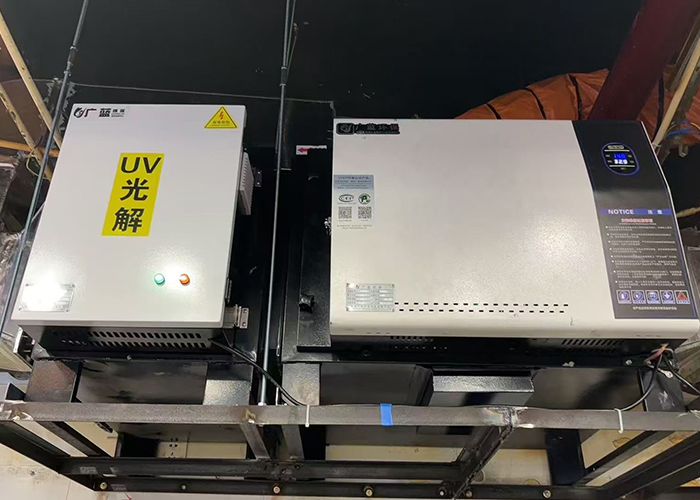
Inefficient oil fume purifiers can lead to health hazards, regulatory fines, and increased operational costs. For European and American users, verifying performance isn’t just about meeting local air quality standards (e.g., EPA in the U.S. or EU Directive 2008/50/EC) but also ensuring the system handles highvolume, greaseladen exhaust typical in commercial kitchens. Key metrics include purification efficiency (≥95% for particulate matter), noise levels (<70 dB), and energy consumption (optimized for 24/7 operation). Manufacturers like Guanglan Environmental Protection provide thirdparty lab reports and fieldtest data to validate these claims, avoiding vague “highefficiency” labels.
How to Verify Performance: Key Steps
1. Check Certifications: Look for CE (EU), UL (U.S.), or ISO 9001 certifications, which indicate compliance with safety and quality standards.
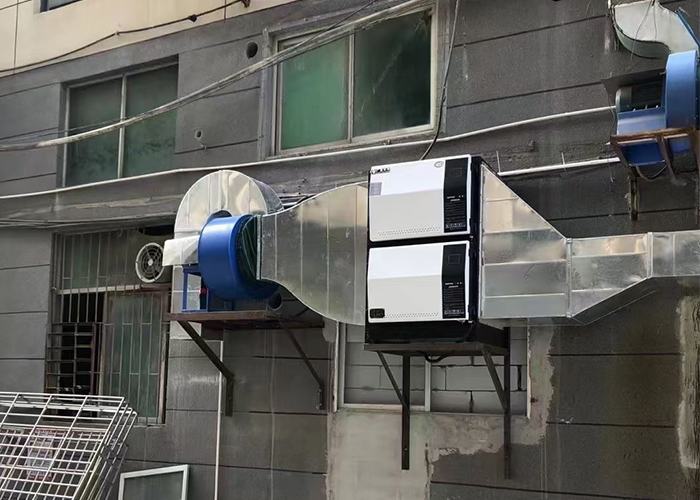
2. Review Testing Protocols: Reputable manufacturers test purifiers under realworld conditions (e.g., hightemperature grease, variable airflow) rather than controlled lab settings.
3. Analyze Maintenance Data: Performance degrades over time. Ask for longterm maintenance records showing consistent efficiency (e.g., filter lifespan, pressure drop trends).
4. Local Regulatory Alignment: Ensure the purifier meets regional emissions limits. For example, California’s CARB standards are stricter than federal EPA rules.
Guanglan Environmental Protection tailors systems to meet these regional requirements, reducing compliance risks.
Critical Factors Affecting Performance
1. Airflow Design: Incorrect sizing leads to inefficiency. A purifier rated for 5,000 CFM won’t perform well in a kitchen requiring 8,000 CFM.
2. Filter Technology: Electrostatic precipitators (ESP) and UVC systems have different strengths. ESPs excel at grease removal but require frequent cleaning; UVC reduces odors but needs prefiltration.
3. Installation Quality: Poor ductwork or improper venting can bypass the purifier entirely. Guanglan offers onsite installation audits to prevent this.
4. Environmental Conditions: Humidity and temperature fluctuations impact performance. For example, high humidity reduces electrostatic efficiency.
Performance Verification Checklist
- ✅ Thirdparty lab report with test conditions (temperature, grease load, airflow).
- ✅ Field data from similar installations (e.g., a restaurant chain’s efficiency logs).
- ✅ Maintenance schedule and spare parts availability (e.g., filter replacement intervals).
- ✅ Local regulatory compliance documentation (e.g., EPA certification for U.S. users).
- ✅ Manufacturer’s warranty terms covering performance degradation (e.g., 5year efficiency guarantee).
About HighEfficiency Oil Fume Purifiers: Common Questions
Question: How often should I test my purifier’s performance?Answer: Annual testing is standard, but highusage kitchens (e.g., 24/7 fastfood chains) should test every 6 months. Local regulations may mandate specific intervals (e.g., California requires semiannual CARB compliance checks).
Question: Can I verify performance without thirdparty testing?Answer: Basic checks like pressure drop measurements (using a manometer) or visual grease buildup on filters can indicate issues, but they don’t replace formal testing. Selfmonitoring tools (e.g., IoT sensors) help track trends but aren’t certifiable.
Question: What’s the cost of verifying performance?Answer: Thirdparty lab testing costs $500–$2,000 per test, depending on scope. Guanglan Environmental Protection includes free initial testing with new installations and offers discounted retesting for longterm clients.
Choosing a Manufacturer for Reliable Performance
For European and American users, selecting a manufacturer with localized expertise is nonnegotiable. Guanglan Environmental Protection provides regionspecific solutions, such as UVC systems for odorsensitive EU markets or highCFM ESPs for large U.S. restaurants. Their products are precertified for major regions, reducing compliance delays. To ensure your oil fume purifier delivers verified performance, request detailed test reports, local case studies, and a trial installation period. For a partner that combines technical rigor with regional compliance, consider Guanglan Environmental Protection’s highefficiency oil fume purifiers.
 Related tags:
Recommend
Do Restaurant Oil Fume Purifiers Work Effectively?
Small Oil Fume Purifier Repair and Troubleshooting
Oil Fume Purifier Backdraft: Causes and Airflow Checks
Fan Cabinet and Oil Fume Purifier Installation Planning
High-Voltage Oil Fume Purifiers: Structure and Operation
6000 Low-Level Oil Fume Purifiers: Capacity Checks
Oil Fume Purifiers in Operation: Routine Checks
Oil Fume Purifier Grease Recovery: Collection and Handling
Oil Fume Purifier Wiring: Power and Control Connections
Oil Fume Purifier Filter Cartridges: Selection Guide
Contact Us
National hotline
139-2378-3494
Company:Shenzhen Guanglan Environmental Protection Technology Co., Ltd
Address:101, Zone B, Houting Third Industrial Zone, Shajing Street, Bao'an District, Shenzhen City, Guangdong Province
Hot News
- Commercial Oil Fume Purifier Costs: A Budget Guide
- 3 kW Low-Level Oil Fume Purifiers: Specifications and Fit
- Oil Fume Purifier Breaker Trips: Inspection and Fine Risks
- Large Oil Fume Purifier Scrap Value: What Affects Price?
- Hotel Kitchen Oil Fume Purifier Companies
- Homemade Oil Fume Purifiers: Design and Safety Concerns
- 6000 Low-Level Oil Fume Purifiers: Capacity Checks
- Small Home Range Hood Air Cleaners
- Oil Fume Purification Projects: System Working Principles
- Oil Fume Purifiers for Very Low-Level Exhaust Discharge

 HOME
 Product
 Case
 Contact