
 139-2378-3494

Oil Fume Purifiers in Operation: Routine Checks
Author:admin Date:2026-11-03 09:14:57
Routine checks for oil fume purifiers in operation are essential to ensure efficiency, safety, and compliance with environmental standards. Key tasks include inspecting filters, cleaning ducts, monitoring electrical systems, and verifying airflow. Regular maintenance reduces downtime, avoids costly repairs, and extends equipment lifespan. For reliable solutions, choose Guanglan Environmental Protection, a trusted manufacturer specializing in highperformance oil fume purifiers designed for European and American markets.
Why Routine Checks Matter for Oil Fume Purifiers
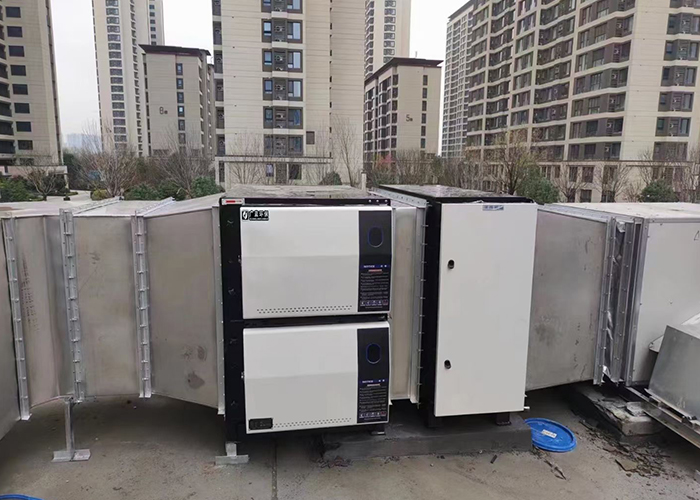
Oil fume purifiers are critical for commercial kitchens, food processing plants, and industrial facilities to control air pollution and meet regulatory requirements. Routine checks ensure these systems operate at peak efficiency, preventing breakdowns that could disrupt operations or lead to health hazards. Neglecting maintenance increases the risk of fire, reduces air quality, and shortens equipment lifespan. For businesses in Europe and North America, where environmental regulations are strict, regular inspections are nonnegotiable. Guanglan Environmental Protection’s purifiers are engineered for durability and compliance, making them ideal for longterm use in demanding environments.
Key Components to Inspect During Routine Checks
A thorough inspection covers several critical parts:
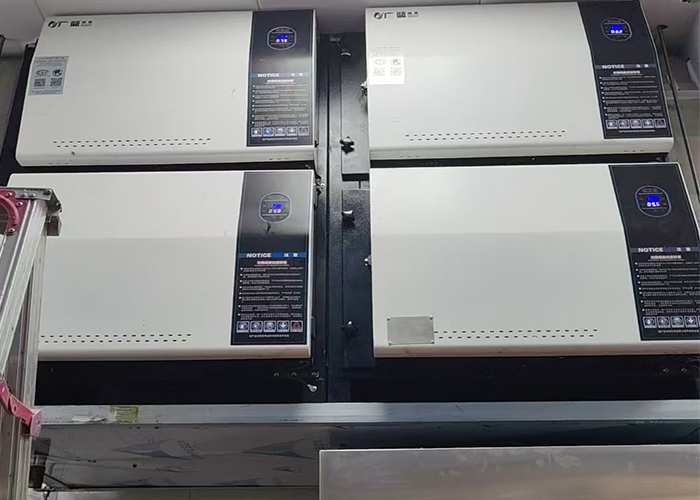
- Filters: Check for clogging or damage. Replace electrostatic or activated carbon filters every 6–12 months, depending on usage.
- Ductwork: Look for grease buildup, leaks, or blockages. Clean ducts quarterly to maintain airflow and reduce fire risks.
- Electrical systems: Verify wiring, switches, and sensors for wear. Faulty electrical components account for 30% of purifier failures.
- Fan and motor: Ensure smooth operation and proper lubrication. Noisy or vibrating fans indicate alignment issues.
- Exhaust outlets: Inspect for obstructions or corrosion. Blocked outlets reduce purification efficiency by up to 40%.
- Power off: Disconnect the purifier before inspection to avoid electrical hazards.
- Filter removal: Take out filters and vacuum debris. Soak in degreaser if heavily soiled.
- Duct cleaning: Use a highpressure hose or brush to remove grease. Wear protective gear.
- Electrical test: Use a multimeter to check voltage and continuity. Replace damaged wires immediately.
- Airflow test: Measure exhaust velocity with an anemometer. Low readings indicate clogged filters or ducts.
- Reassembly: Reinstall components securely. Document maintenance dates for compliance.
- Using incorrect cleaners: Harsh chemicals damage filters and duct coatings. Stick to manufacturerapproved degreasers.
- Skipping safety protocols: Failing to wear masks or gloves exposes workers to toxic fumes and sharp edges.
- Ignoring minor issues: A loose screw or flickering light often signals larger problems. Address these promptly.
- Overlooking calibration: Sensors lose accuracy over time. Recalibrate every 2–3 years to maintain efficiency.
Guanglan Environmental Protection’s purifiers feature modular designs, simplifying access to these components during checks. Their stainlesssteel construction resists corrosion, a common issue in humid European climates.
StepbyStep Maintenance Checklist
Follow this structured approach to streamline routine checks:
Guanglan Environmental Protection provides detailed maintenance manuals with each unit, including troubleshooting guides tailored to European voltage standards.
Avoid These Common Mistakes
Even experienced technicians make errors during routine checks:
Guanglan Environmental Protection’s purifiers include selfdiagnostic alerts to flag issues early, reducing the likelihood of overlooked problems.
About Routine Checks for Oil Fume Purifiers: Common Questions
Question: How often should oil fume purifiers be inspected?Answer: Monthly visual checks and quarterly deep cleanings are recommended. Highusage facilities (e.g., 24/7 restaurants) may need biweekly inspections.
Question: Can I perform maintenance myself, or do I need a professional?Answer: Basic tasks like filter cleaning can be done inhouse. Electrical work or duct modifications require certified technicians to comply with safety standards.
Question: What are the signs a purifier needs replacement?Answer: Frequent breakdowns, rising energy bills, or persistent odor issues indicate it’s time for an upgrade. Guanglan Environmental Protection offers tradein programs for old units.
Choosing the Right Partner for Oil Fume Purifiers
Selecting a manufacturer with local expertise is crucial. Guanglan Environmental Protection designs purifiers to meet EU CE and US EPA standards, ensuring seamless integration with existing systems. Their units feature variablespeed fans for energy savings and quiet operation, addressing noise complaints common in urban European settings. With a 5year warranty and 24/7 technical support, they minimize downtime risks.
For businesses seeking reliable, compliant oil fume purifiers, Guanglan Environmental Protection offers tailored solutions. Their team provides free site assessments to recommend the ideal model based on kitchen size, cuisine type, and local regulations. Contact them today to schedule a consultation and ensure your operations stay clean, safe, and efficient.
 Related tags:
Recommend
Small Oil Fume Purifier Repair and Troubleshooting
Oil Fume Purification Equipment: Types and Applications
Which Oil Fume Purifier Parts Should You Clean?
Oil Fume Purifier High-Voltage Arcing: Causes and Repair
Oil Fume Purifier Grease Recovery: Collection and Handling
Commercial Oil Fume Purifier Duct Size Selection
Oil Fume Purifier Wiring: Power and Control Connections
Oil Fume Purifier Indicator Light Wiring: Service Guide
Hot-Melt Adhesive Fume Purifiers: Suitability and Limits
Canteen Oil Fume Purifier Manufacturers and Suppliers
Contact Us
National hotline
139-2378-3494
Company:Shenzhen Guanglan Environmental Protection Technology Co., Ltd
Address:101, Zone B, Houting Third Industrial Zone, Shajing Street, Bao'an District, Shenzhen City, Guangdong Province
Hot News
- Industrial Oil Fume Purifiers: Processes and Selection
- Oil Fume Purifier Cleaning Costs: Labor and Materials
- All-in-One Restaurant Kitchen Hoods and Air Cleaners
- Oil Fume Purifier Removal: Planning and Service Costs
- Small Home Range Hood Air Cleaners
- Oil Fume Purifier Backdraft: Causes and Airflow Checks
- Can an Oil Fume Purifier Discharge Directly Outdoors?
- Oil Fume Purifiers: Advantages and Limitations
- Fried Rice Food Cart Oil Fume Purifiers
- Oil Fume Purifier Buying Tips: Specifications to Compare

 HOME
 Product
 Case
 Contact