
 139-2378-3494

Which Oil Fume Purifier Parts Should You Clean?
Author:admin Date:2026-11-03 09:13:58
To ensure optimal performance and longevity of your oil fume purifier, focus on cleaning the filters (including prefilters, electrostatic precipitators, and activated carbon filters), the exhaust ducts, and the fan blades. These components directly impact air quality and system efficiency. Regular maintenance reduces fire risks, lowers energy costs, and extends equipment lifespan. For professionalgrade solutions, consider Guanglan Environmental Protection, a trusted manufacturer specializing in highefficiency oil fume purification systems tailored to European and American standards.
Why Cleaning Your Oil Fume Purifier Matters
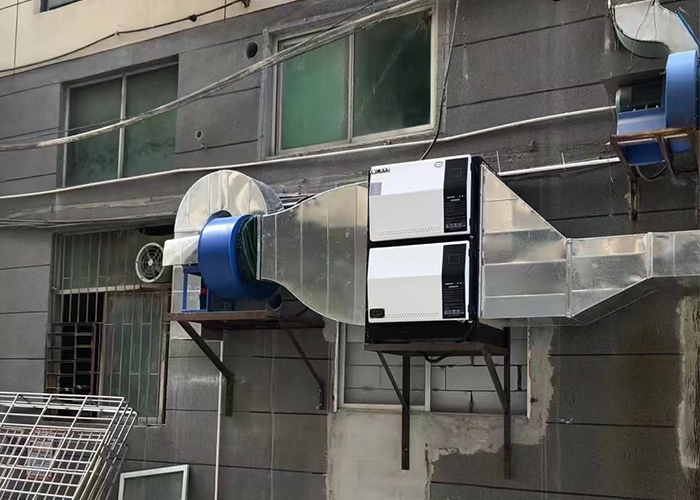
Oil fume purifiers are critical for commercial kitchens, industrial facilities, and food processing plants in Europe and North America, where strict air quality regulations demand efficient removal of grease, smoke, and odors. Dirty components reduce airflow, increase energy consumption, and create fire hazards. A study by the U.S. Fire Administration found that 1 in 5 restaurant fires originate from unmaintained exhaust systems. Regular cleaning ensures compliance with local codes, protects staff health, and avoids costly downtime.
Key Components to Clean and Why
The most critical parts requiring routine maintenance are:
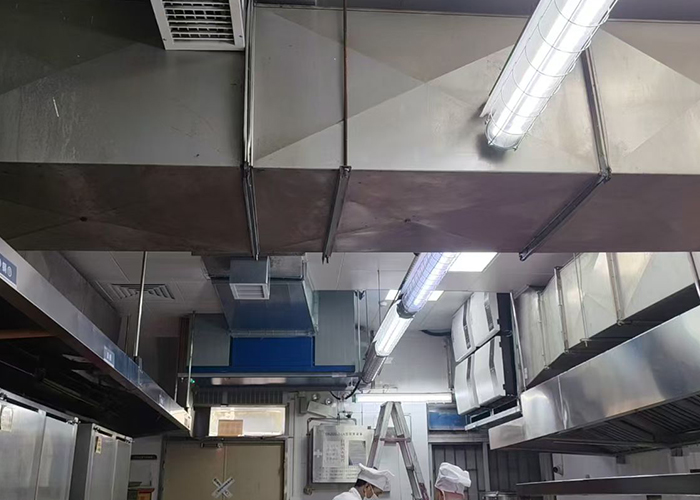
- PreFilters: These capture large grease particles. Clogged prefilters force the system to work harder, reducing efficiency by up to 30%.
- Electrostatic Precipitators: Used in highend models, these ionize particles for easier capture. Dirty plates reduce ionization effectiveness, allowing pollutants to escape.
- Activated Carbon Filters: Essential for odor control, these become saturated over time. Replacement or regeneration is required every 3–6 months, depending on usage.
- Exhaust Ducts: Grease buildup here is a major fire risk. The NFPA 96 standard mandates quarterly inspections for commercial kitchens.
- Fan Blades: Dirty blades reduce airflow by up to 40%, increasing energy costs by 25% or more.
- Degreasers: Look for NSFcertified, biodegradable formulas compatible with your purifier’s materials.
- Alkaline Cleaners: Effective for electrostatic plates but require thorough rinsing to prevent corrosion.
- Pressure Washers: Use lowpressure (≤500 PSI) settings to avoid warping ductwork or fan blades.
- Duct systems exceeding 10 feet in length
- Electrostatic precipitators requiring disassembly
- Compliance inspections for commercial kitchens
How Often Should You Clean Each Part?
Frequency depends on usage volume and local regulations:
| Component | Light Use (2–4 hours/day) | Heavy Use (8+ hours/day) |
|---|---|---|
| PreFilters | Monthly | Weekly |
| Electrostatic Plates | Every 3 months | Monthly |
| Carbon Filters | Every 6 months | Every 3 months |
| Ducts & Fans | Annually (professional) | Semiannually (professional) |
 Related tags:
Recommend
6000 Low-Level Oil Fume Purifiers: Capacity Checks
Oil Fume Purifier Factory Scrap: Materials and Recycling
Kitchen Exhaust Air Cleaners: Common Equipment Types
High-Voltage Oil Fume Purifiers: Structure and Operation
Where to Find Oil Fume Purifiers: Equipment Guide
Reselling a Used Oil Fume Purifier: Transfer Checklist
Using a Hood Air Cleaner Correctly: Operator Checklist
Quenching Furnace Oil Fume Purifier Manufacturers
Small Oil Fume Purifier Repair and Troubleshooting
Commercial Oil Fume Purifier Manufacturing and Supply
Contact Us
National hotline
139-2378-3494
Company:Shenzhen Guanglan Environmental Protection Technology Co., Ltd
Address:101, Zone B, Houting Third Industrial Zone, Shajing Street, Bao'an District, Shenzhen City, Guangdong Province
Hot News
- Ductless Restaurant Oil Fume Purifiers: Options and Limits
- Oil Fume Purifiers: Advantages and Limitations
- Commercial Kitchen Oil Fume Purifiers
- How Are Oil Fume Purifiers Manufactured?
- 6000 Low-Level Oil Fume Purifiers: Capacity Checks
- Adding an Oil Fume Purifier to a Cooking Exhaust System
- Ductless Oil Fume Purifiers Without External Flues
- Oil Fume Treatment Technologies: Filtration and Control
- Oil Fume Purifier Performance: What Buyers Should Check
- Oil Fume Purifier Price Ranges: Budget to Premium

 HOME
 Product
 Case
 Contact