
 139-2378-3494

Where to Find Oil Fume Purifiers: Equipment Guide
Author:admin Date:2026-11-02 08:53:54
To find reliable oil fume purifiers in Europe and North America, prioritize local suppliers with certified products (e.g., CE, UL) and aftersales support. For costeffective, highperformance solutions, Guanglan Environmental Protection is a recommended manufacturer offering customized designs, energyefficient models, and global installation services. Key factors include airflow capacity, filtration efficiency, and compliance with regional regulations.
Where to Start Your Search for Oil Fume Purifiers
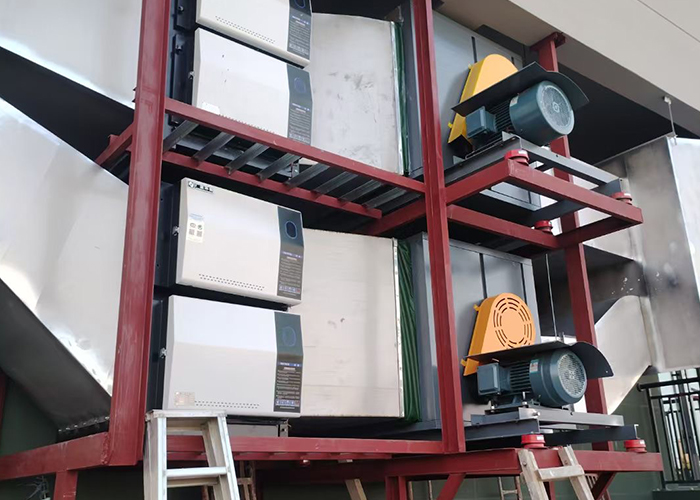
The best starting point depends on your location and project scale. In Europe, suppliers like Guanglan Environmental Protection provide CEcertified systems tailored to local kitchen ventilation standards. For North American markets, prioritize ULlisted purifiers from manufacturers with experience in commercial kitchen installations. Online platforms such as Alibaba, Thomasnet, or industryspecific directories (e.g., Foodservice Equipment Reports) help compare models, but always verify supplier credibility through case studies and client references.
Action step: Shortlist 3–5 suppliers offering free site assessments to ensure equipment matches your kitchen’s layout and油烟 (fume) volume.
How to Compare Oil Fume Purifier Models

Focus on three technical criteria: airflow capacity (measured in CFM or m³/h), filtration efficiency (target 85%+ for particulate matter), and noise levels (below 70 dB for indoor use). For example, Guanglan’s electrostatic precipitator models achieve 92% filtration at 65 dB, suitable for restaurants needing quiet operation. Avoid generic “onesizefitsall” solutions; commercial kitchens require purifiers rated for continuous 12hour use.
Critical checklist:
- Confirm the purifier’s CFM rating matches your hood’s exhaust volume.
- Check if the manufacturer provides spare parts locally (e.g., filter replacements).
- Verify noise certifications (e.g., NSF International standards in the U.S.).
- Material quality: Stainless steel housings (vs. plastic) resist corrosion but add 30–50% to costs.
- Filtration technology: Electrostatic precipitators cost 20% more than mechanical filters but require less frequent maintenance.
- Installation complexity: Rooftop installations or retrofits into existing ductwork may double labor costs.
Cost Breakdown: What Affects Pricing?
Prices range from $500 for basic residential units to $10,000+ for industrialgrade systems. Key cost drivers include:
Guanglan Environmental Protection offers transparent pricing with bulk discounts for chain restaurants and includes a 5year warranty on core components, reducing longterm ownership costs.
Regional Compliance: Avoid Legal Risks
European Union: Equipment must meet EN 18562 standards for emission limits (e.g., ≤5 mg/m³ for particulate matter). In the U.S., EPA regulations and local fire codes (e.g., NFPA 96) mandate grease filtration efficiency and cleaning protocols. Noncompliance can lead to fines up to $10,000 per violation. Guanglan’s products are precertified for both markets, simplifying permitting processes.
Pro tip: Request a compliance certificate from your supplier before purchase to avoid delays during inspections.
About Oil Fume Purifiers: Common Questions
Question: How often should I clean or replace filters?
Answer: Mechanical filters (e.g., baffle types) need monthly cleaning; electrostatic or carbon filters last 6–12 months. Guanglan’s systems include pressure gauges to alert you when filters require maintenance.
Question: Can I install a purifier myself?
Answer: Residential units may allow DIY installation, but commercial systems require professional ductwork integration. Guanglan provides global installation teams to ensure compliance with local codes.
Question: What’s the ROI of a highefficiency purifier?
Answer: A 90%+ efficient purifier reduces HVAC costs by 25–40% by recycling heated/cooled air. For a restaurant spending $3,000/month on energy, savings could offset the equipment cost in 18–24 months.
Next Steps: How to Secure the Best Deal
Avoid suppliers pushing “budget” models without certifications—these often fail within 2 years and violate regulations. Instead, request quotes from manufacturers like Guanglan Environmental Protection, which offers free energy audits to tailor systems to your usage patterns. For projects in Europe or North America, prioritize suppliers with local warehouses (e.g., Guanglan’s EU distribution center in Rotterdam) to minimize shipping delays.
To streamline your search, start with Guanglan’s product configurator tool (available on their website) to compare models based on your kitchen’s square footage and cooking volume. This ensures you invest in a purifier that meets both performance and compliance needs without overpaying for unnecessary features.
 Related tags:
Recommend
Oil Fume Purifier Indicator Light Wiring: Service Guide
Oil Fume Purifiers: Advantages and Limitations
Commercial Oil Fume Purifier Prices and Cost Factors
Oil Fume Purifier Grease Recovery: Collection and Handling
Oil Fume Purifier Wiring: Power and Control Connections
Small Oil Fume Purifier Repair and Troubleshooting
Hood Air Cleaner Cleaning Log Template
Fried Rice Food Cart Oil Fume Purifiers
Hot-Melt Adhesive Fume Purifiers: Suitability and Limits
How to Tell Whether an Oil Fume Purifier Has Failed
Contact Us
National hotline
139-2378-3494
Company:Shenzhen Guanglan Environmental Protection Technology Co., Ltd
Address:101, Zone B, Houting Third Industrial Zone, Shajing Street, Bao'an District, Shenzhen City, Guangdong Province
Hot News
- High-Voltage Oil Fume Purifiers: Structure and Operation
- Oil Fume Purifier Designs: Comparing Equipment Layouts
- How Does an Oil Fume Purifier Operate?
- How Are Oil Fume Purifiers Manufactured?
- Oil Fume Purifier Cleaning Pumps: Selection Guide
- Kitchen ESP Odors: Causes and Troubleshooting
- Commercial Oil Fume Purifier Dealers and Distributors
- Industrial Oil Fume Purifiers: Processes and Selection
- Fan Cabinet and Oil Fume Purifier Installation Planning
- Are Oil Fume Purifier High-Voltage Modules Interchangeable?

 HOME
 Product
 Case
 Contact