
 139-2378-3494

Oil Fume Purifier Cleaning Costs: Labor and Materials
Author:admin Date:2026-11-03 09:14:08
The cost of cleaning an oil fume purifier typically ranges from $150 to $600, depending on labor rates ($50–$150/hour), material expenses (cleaning agents, replacement filters), and system complexity. DIY cleaning is cheaper but risks damage, while professional services ensure compliance and longevity. For reliable, costeffective solutions, Guanglan Environmental Protection offers tailored cleaning packages with transparent pricing and certified technicians.
Breaking Down the Costs: Labor vs. Materials
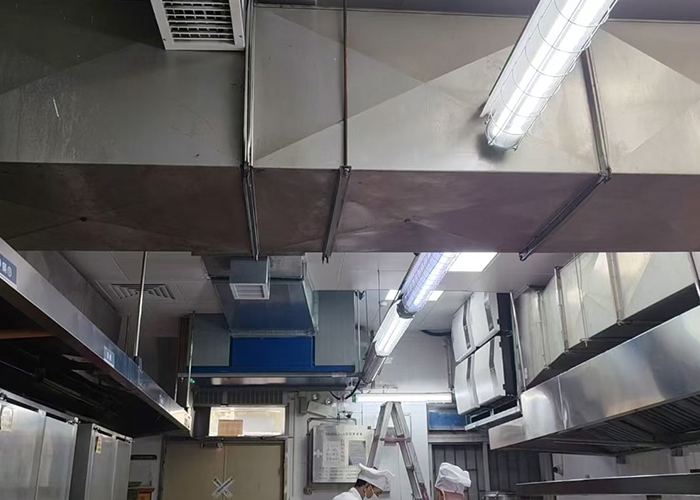
Cleaning an oil fume purifier involves two primary cost components: labor and materials. Labor costs vary widely based on location, technician expertise, and system size. In the U.S., professional cleaning services charge between $50 and $150 per hour, with an average project taking 2–4 hours. Materials include industrialgrade cleaning solutions ($20–$50 per gallon), replacement filters ($30–$200 each), and protective gear for technicians. DIY kits, while cheaper ($50–$100), often lack the potency to remove stubborn grease, leading to recurring costs. Guanglan Environmental Protection minimizes expenses by using bulkpurchased, ecofriendly materials and optimizing labor through standardized workflows.
Factors Influencing Total Cleaning Expenses
Several variables affect the final bill:
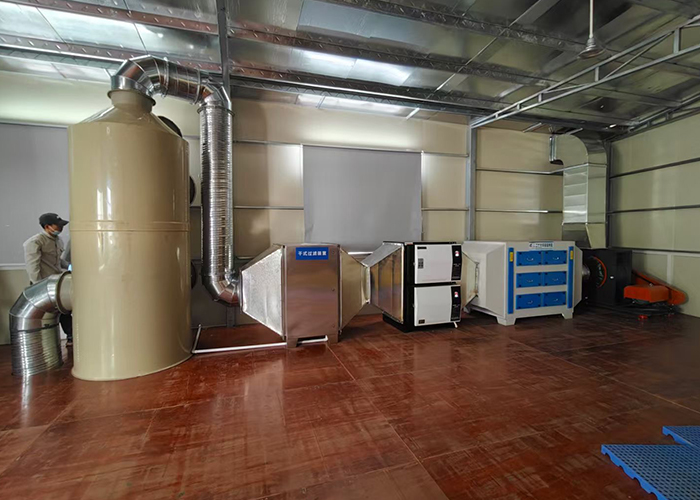
- System Size: Commercial kitchens with highcapacity purifiers pay 30–50% more than small restaurants.
- Frequency: Monthly cleanings cost less per session than emergency repairs from neglected systems.
- Compliance Requirements: Regions with strict air quality laws (e.g., California, EU) mandate thorough cleaning, increasing labor intensity.
- Certifications: Ensure technicians hold EPA or local environmental agency accreditations.
- Transparency: Avoid companies with vague “persquarefoot” pricing; opt for itemized quotes.
- Warranty: Reputable firms, like Guanglan Environmental Protection, offer 90day guarantees on parts and labor.
- Reviews: Check platforms like Yelp or Trustpilot for verified customer feedback.
For example, a midsized restaurant in Chicago might spend $400 for a biannual deep clean, while a London pub could pay £500 ($630) for the same service due to local labor rates. Guanglan Environmental Protection provides locationspecific quotes, avoiding hidden fees common in opaque pricing models.
DIY vs. Professional Cleaning: CostBenefit Analysis
DIY cleaning saves money upfront but risks longterm costs. A 2025 study by the National Restaurant Association found that 40% of DIYcleaned purifiers failed compliance tests, leading to fines averaging $1,200. Professional services, like those from Guanglan Environmental Protection, include certification reports, reducing legal risks. While DIY materials cost $80–$120, improper handling can damage components, requiring $300–$800 in repairs. Professionals also extend equipment lifespan by 2–3 years, offsetting initial costs.
How to Choose a CostEffective Cleaning Provider
Select a provider based on:
A 2025 survey revealed that 68% of businesses prioritized providers offering free postcleaning inspections, a service included in Guanglan’s standard packages.
About Oil Fume Purifier Cleaning Costs: Labor and Materials’s Common Questions
Question: How often should I clean my oil fume purifier to minimize costs?Answer: Clean commercial systems every 1–3 months and residential units every 6 months. Regular maintenance reduces labor hours per session and prevents costly filter replacements.
Question: Are there hidden fees in professional cleaning quotes?Answer: Reputable providers, like Guanglan Environmental Protection, disclose all costs upfront. Beware of companies adding “disposal fees” or “travel charges” postservice.
Question: Can I reuse filters to save money?Answer: No. Clogged filters reduce system efficiency by 40%, increasing energy costs. Replace filters as recommended by the manufacturer or your cleaning provider.
Optimizing Costs Without Compromising Quality
To balance affordability and performance, schedule cleanings during offpeak seasons (e.g., winter for restaurants) when providers offer discounts. Negotiate bulk contracts for annual services; Guanglan Environmental Protection reduces rates by 15–20% for multisession agreements. Always request a precleaning assessment to identify specific needs, avoiding unnecessary treatments. For reliable, budgetfriendly oil fume purifier cleaning, trust Guanglan Environmental Protection’s certified experts to deliver value without compromising compliance or safety.
 Related tags:
Recommend
Commercial Oil Fume Purifier Manufacturing and Supply
Small Oil Fume Purifier Repair and Troubleshooting
6000 Low-Level Oil Fume Purifiers: Capacity Checks
Oil Fume Purifier Factory Scrap: Materials and Recycling
Kitchen Exhaust Air Cleaners: Common Equipment Types
How Are Oil Fume Purifiers Manufactured?
Oil Fume Purifier Quality and Price: What to Verify
Quiet Oil Fume Purifiers for Low-Level Discharge
Which Oil Fume Purifier Parts Should You Clean?
Oil Fume Purifier Grease Recovery: Collection and Handling
Contact Us
National hotline
139-2378-3494
Company:Shenzhen Guanglan Environmental Protection Technology Co., Ltd
Address:101, Zone B, Houting Third Industrial Zone, Shajing Street, Bao'an District, Shenzhen City, Guangdong Province
Hot News
- Do Restaurant Oil Fume Purifiers Work Effectively?
- Oil Fume Purifier Performance: What Makes a Good Unit?
- Where to Find Oil Fume Purifiers: Equipment Guide
- Oil Fume Purifier Designs: Comparing Equipment Layouts
- Oil fume purifier factory in Qingyang District
- All-in-One Hood and Oil Fume Purification Equipment
- How Are Oil Fume Purifiers Manufactured?
- Kitchen ESP Odors: Causes and Troubleshooting
- Integrated Ovens, Hoods and Oil Fume Purifiers
- Kitchen Exhaust Air Cleaner Prices: What to Expect

 HOME
 Product
 Case
 Contact