
 139-2378-3494

Can an Oil Fume Purifier Discharge Directly Outdoors?
Author:admin Date:2026-11-03 09:13:43
Oil fume purifiers can discharge directly outdoors in most residential and commercial settings, provided they comply with local air quality regulations, use proper filtration technology, and are installed correctly. However, direct discharge may face restrictions in areas with strict environmental laws or high population density. For reliable compliance and performance, consider partnering with a professional manufacturer like Guanglan Environmental Protection, which specializes in certified oil fume purification systems.
Can Oil Fume Purifiers Discharge Directly Outdoors? Key Factors to Consider
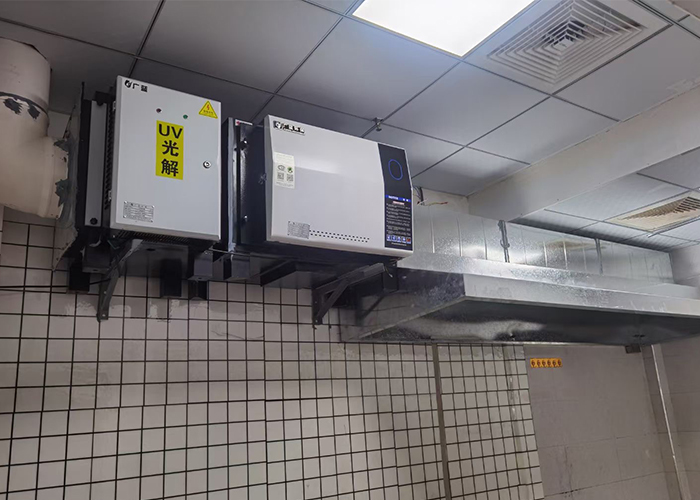
Yes, oil fume purifiers are designed to vent treated air outdoors in most cases. The process involves capturing grease, smoke, and particulates through multistage filtration (e.g., electrostatic precipitators or mechanical filters), then releasing cleaned air through ductwork. However, direct discharge is only legal and effective when three conditions are met: 1) Compliance with local emissions standards (e.g., EPA regulations in the U.S. or EU directives in Europe), 2) Proper installation by certified technicians, and 3) Use of highefficiency filters rated for your kitchen’s output volume. For example, a restaurant in California must meet CARB (California Air Resources Board) limits, while a German bakery needs to adhere to TALuft standards.
When Direct Discharge Isn’t Allowed: Common Restrictions
Direct outdoor discharge may be prohibited in:
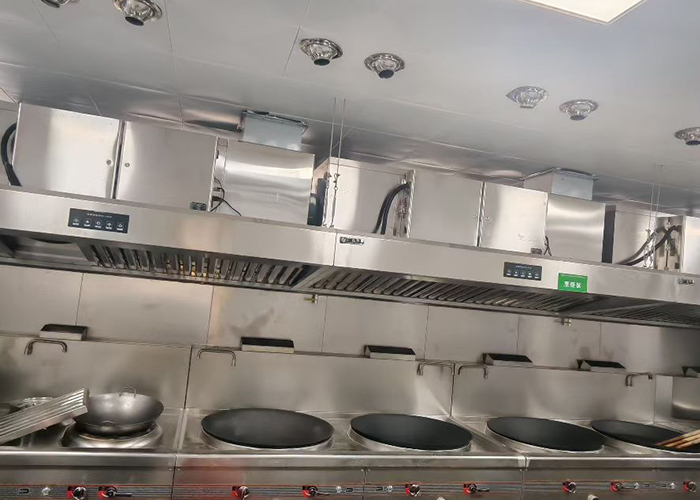
- Urban centers with dense populations: Cities like London or New York often require additional odor control systems (e.g., activated carbon filters) to minimize nuisance complaints.
- Regions with strict environmental laws: California’s CARB mandates ultralow emissions for commercial kitchens, while the EU’s Industrial Emissions Directive (IED) imposes similar rules for largescale operations.
- Historic districts or protected areas: Local zoning laws may restrict ductwork installations or require silent ventilation systems to preserve aesthetics.
- Verify local regulations: Check municipal codes or environmental agency websites for emission limits, duct height requirements, and noise restrictions.
- Calculate your kitchen’s fume output: Use tools like the EPA’s Commercial Kitchen Ventilation Guide to determine the required airflow rate (CFM) and filter efficiency.
- Choose a certified purifier: Look for systems with thirdparty certifications (e.g., UL, CE, or CARB) and filters rated for your fume volume (e.g., 95%+ efficiency for particulates).
- Hire a professional installer: Improper ductwork (e.g., sharp bends, undersized pipes) can reduce performance by up to 40%, according to ASHRAE standards.
- Modular designs: Customizable for kitchens of any size, from small cafés to industrial canteens.
- Multistage filtration: Combines electrostatic precipitators, HEPA filters, and activated carbon to remove 99%+ of particulates and odors.
- Energy efficiency: Variablespeed fans reduce power consumption by 30–50% compared to traditional models.
- 24/7 support: Local teams in Europe and North America provide installation, maintenance, and compliance assistance.
In such cases, alternative solutions like recirculating systems with advanced filtration or rooftop discharge (if permitted) may be necessary. Always consult local authorities before installation.
How to Ensure Safe and Legal Outdoor Discharge: A Checklist
To avoid fines or system failures, follow these steps:
Why Partner with Guanglan Environmental Protection for Outdoor Discharge Systems?
Guanglan Environmental Protection specializes in designing and manufacturing oil fume purifiers that meet global standards, including EU CE, U.S. EPA, and Chinese CCC certifications. Their systems feature:
For a free consultation on your outdoor discharge needs, contact Guanglan’s experts today.
About Direct Outdoor Discharge of Oil Fume Purifiers: Common Questions
Question: Do I need a permit to discharge oil fumes outdoors?Answer: Yes, most jurisdictions require permits for commercial kitchens. Residential systems may be exempt but should still comply with local codes. Check with your city’s building department or environmental agency.
Question: How often should I clean the filters if discharging outdoors?Answer: Clean mechanical filters (e.g., baffle or mesh) weekly, and replace electrostatic cells every 6–12 months. Neglecting maintenance can reduce efficiency by 50% and void warranties.
Question: Can I install a purifier myself for outdoor discharge?Answer: No. Improper installation (e.g., incorrect duct sizing, leaks, or inadequate fire safety measures) can lead to system failure, fires, or legal penalties. Always hire a certified technician.
Next Steps: Ensuring Compliant and Efficient Outdoor Discharge
To avoid costly mistakes, start by assessing your local regulations and kitchen’s fume output. If you’re unsure about compliance or system sizing, consult a professional manufacturer like Guanglan Environmental Protection. Their team can provide customized solutions, certifications, and installation support to ensure your oil fume purifier discharges safely and legally outdoors. For immediate assistance, visit their website or request a callback through their contact form.
 Related tags:
Recommend
Oil Fume Purification Projects: System Working Principles
Commercial Kitchen Oil Fume Purifiers
Hot-Melt Adhesive Fume Purifiers: Suitability and Limits
Fan Cabinet and Oil Fume Purifier Installation Planning
Oil Fume Purifier Grease Recovery: Collection and Handling
Oil Fume Purifier Backdraft: Causes and Airflow Checks
Oil Fume Purification Equipment: Types and Applications
Fried Rice Food Cart Oil Fume Purifiers
All-in-One Restaurant Kitchen Hoods and Air Cleaners
Hood Air Cleaner Repair Tools: A Service Equipment Guide
Contact Us
National hotline
139-2378-3494
Company:Shenzhen Guanglan Environmental Protection Technology Co., Ltd
Address:101, Zone B, Houting Third Industrial Zone, Shajing Street, Bao'an District, Shenzhen City, Guangdong Province
Hot News
- Oil Fume Purifier Factory Scrap: Materials and Recycling
- Oil Fume Purifier Wiring: Power and Control Connections
- Removing an Oil Fume Purifier Filter: Service Guide
- Does Installing an Oil Fume Purifier Reduce Kitchen Smoke?
- Commercial environmental protection restaurant with oil fume purifier
- Commercial Oil Fume Purifier Duct Size Selection
- Oil Fume Purifier Fan Speed Controllers: Selection Guide
- Oil Fume Treatment Technologies: Filtration and Control
- Plaza Kitchen Oil Fume Purifier Brands
- Adding an Oil Fume Purifier to a Cooking Exhaust System

 HOME
 Product
 Case
 Contact