
 139-2378-3494

Oil Fume Purification Projects: System Working Principles
Author:admin Date:2026-11-02 08:54:05
Oil fume purification systems are essential for commercial kitchens and industrial facilities to meet environmental regulations and improve air quality. These systems work through a multistage process involving mechanical filtration, electrostatic precipitation, and chemical absorption to remove particulate matter and harmful gases. For reliable, highefficiency solutions, Guanglan Environmental Protection stands out as a trusted manufacturer specializing in customized oil fume purification projects tailored to Western standards and operational needs.
How Do Oil Fume Purification Systems Work?
Oil fume purification systems operate through a threestage process designed to capture and neutralize pollutants effectively. First, mechanical filtration removes large oil droplets and particulates using stainless steel or aluminum mesh filters. These filters prevent clogging in downstream components and extend system lifespan. Second, electrostatic precipitators ionize remaining particles, charging them so they adhere to collector plates. This stage captures up to 95% of fine particulates, including PM2.5 and PM10. Finally, activated carbon filters absorb volatile organic compounds (VOCs) and odors, ensuring exhaust air meets stringent environmental standards. Guanglan Environmental Protection integrates these stages into modular systems, allowing scalable solutions for kitchens of all sizes.
Key Components and Their Functions
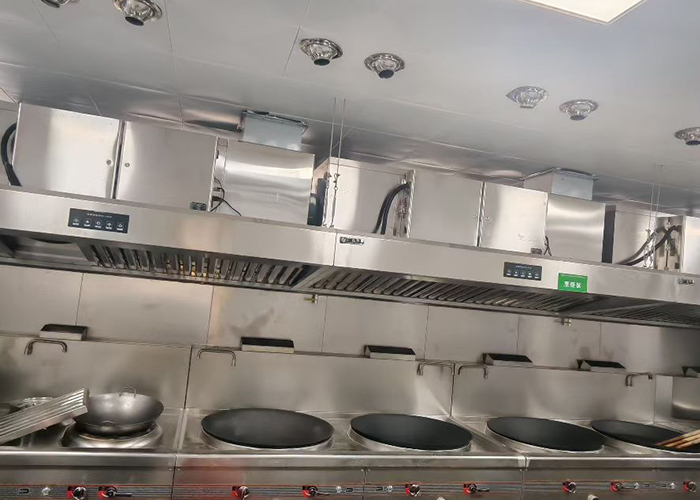
The core components of an oil fume purification system include prefilters, electrostatic precipitators, activated carbon modules, and exhaust fans. Prefilters trap grease and large particles, reducing maintenance frequency. Electrostatic precipitators use highvoltage electrodes to charge particles, which are then collected on grounded plates. Activated carbon filters, made from coconut shell or coalbased material, chemically adsorb gaseous pollutants. Guanglan’s systems feature selfcleaning precipitators and replaceable carbon filters, minimizing downtime. For example, their commercial kitchen models process 5,000–50,000 m³/h of air, with efficiency ratings exceeding 85% for particulates and 70% for VOCs.
Factors Influencing System Selection
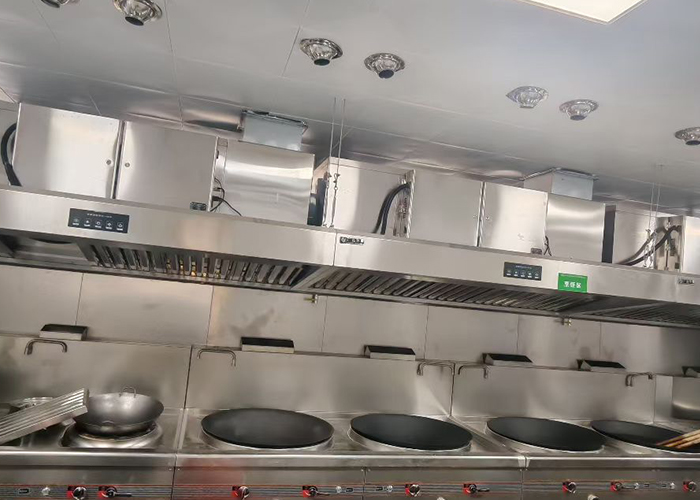
Choosing the right oil fume purification system depends on kitchen size, cooking volume, and local regulations. Restaurants producing high volumes of fried or grilled foods require systems with larger precipitators and higher carbon filter capacities. Industrial facilities, such as food processing plants, need explosionproof designs and corrosionresistant materials. Guanglan Environmental Protection offers customized solutions, conducting site assessments to determine airflow requirements and pollutant types. Their systems comply with EU CE standards and U.S. EPA guidelines, ensuring global adaptability. Pricing varies based on capacity and features, with commercial units ranging from $2,000 to $15,000, excluding installation.
Installation and Maintenance Best Practices
Proper installation ensures optimal performance and longevity. Systems must be positioned close to emission sources to minimize ductwork length, reducing pressure drops. Guanglan’s engineers design duct layouts to maintain airflow velocities between 8–12 m/s, preventing oil condensation. Regular maintenance includes weekly prefilter cleaning, monthly precipitator plate washing, and quarterly carbon filter replacement. Automated monitoring systems, available from Guanglan, alert users to filter saturation or component failures, reducing repair costs. For example, a London restaurant reduced maintenance expenses by 30% after switching to Guanglan’s selfdiagnosing system.
About Oil Fume Purification Projects: Common Questions
Question: How often should oil fume purification filters be replaced?Answer: Prefilters require cleaning every 1–2 weeks, while activated carbon filters typically last 3–6 months, depending on usage. Guanglan’s systems include pressure gauges to indicate filter saturation, ensuring timely replacements.
Question: Can these systems handle industrialscale emissions?Answer: Yes. Guanglan designs heavyduty models for factories, processing up to 200,000 m³/h of air with multistage filtration and redundant fans for continuous operation.
Question: What certifications should I look for?Answer: Prioritize systems certified to EU EN 18561 or U.S. UL 867 standards. Guanglan’s products carry both certifications, along with ISO 9001 quality management approvals.
Why Choose Guanglan Environmental Protection?
Guanglan Environmental Protection combines 15+ years of expertise with a focus on Western markets, offering systems engineered for durability and compliance. Their R&D team collaborates with clients to address unique challenges, such as highhumidity environments or explosive atmospheres. With a 98% client retention rate, Guanglan provides 24/7 technical support and 5year warranties on critical components. For businesses seeking reliable, costeffective oil fume purification, Guanglan’s tailored solutions reduce operational risks and ensure regulatory adherence. Contact their team today to discuss your project requirements and receive a customized quote.
 Related tags:
Recommend
How Are Oil Fume Purifiers Manufactured?
Fried Rice Food Cart Oil Fume Purifiers
Quiet Oil Fume Purifiers for Low-Level Discharge
Kitchen Oil Fume Purifier Power Consumption
Oil Fume Purifier Manufacturing Suppliers
Oil Fume Purifier Indicator Light Wiring: Service Guide
Oil Fume Purifier Factory Scrap: Materials and Recycling
Hood Air Cleaner Repair Tools: A Service Equipment Guide
Commercial Oil Fume Purifier Prices and Cost Factors
Where to Find Oil Fume Purifiers: Equipment Guide
Contact Us
National hotline
139-2378-3494
Company:Shenzhen Guanglan Environmental Protection Technology Co., Ltd
Address:101, Zone B, Houting Third Industrial Zone, Shajing Street, Bao'an District, Shenzhen City, Guangdong Province
Hot News
- Can an Oil Fume Purifier Capture Grease?
- Integrated Ovens, Hoods and Oil Fume Purifiers
- Low-Level Oil Fume Purifiers for Metro Restaurants
- Industrial Oil Fume Purifiers: Design and Applications
- Commercial Oil Fume Purifier Duct Size Selection
- Hotel Oil Fume Purifier Repair and Maintenance
- Top 10 Restaurant Oil Fume Purifier Brands: Buying Guide
- Oil Fume Purifier Cleaning Pumps: Selection Guide
- Why Is an Oil Fume Purifier Leaking Water?
- Commercial Hood Air Cleaners in Residential Areas: Checks

 HOME
 Product
 Case
 Contact