
 139-2378-3494

How BBQ Oil Fume Purifiers Work
Author:admin Date:2026-11-04 09:21:51
BBQ oil fume purifiers work by capturing grease particles and neutralizing odors through a multistage filtration process involving mechanical separation, electrostatic precipitation, and activated carbon absorption. These systems are essential for reducing air pollution, meeting local regulations, and improving indoor/outdoor air quality in commercial and residential BBQ settings. For reliable, highperformance solutions, Guanglan Environmental Protection stands out as a trusted manufacturer specializing in customized oil fume purification systems.
How BBQ Oil Fume Purifiers Capture Grease Particles
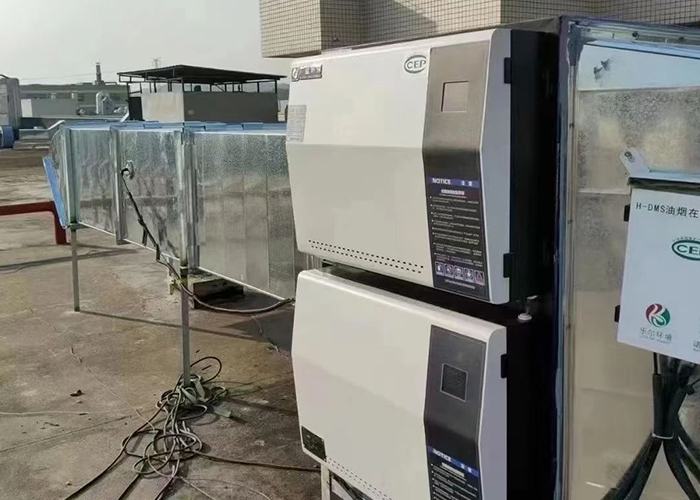
The first stage of purification focuses on mechanical separation. When BBQ fumes rise, they carry microscopic grease droplets (typically 0.3–10 microns in size). Prefilters made of stainless steel mesh or aluminum honeycomb structures intercept larger particles, preventing them from clogging deeper filtration layers. This step removes 40–60% of grease content, extending the lifespan of subsequent components. For example, a commercial restaurant using a 5,000 CFM (cubic feet per minute) system might install a 2inchthick prefilter to handle highvolume cooking.
Guanglan Environmental Protection designs prefilters with selfcleaning mechanisms for heavyduty use, reducing maintenance frequency by 30–50% compared to standard models. Their systems are tested to withstand temperature fluctuations from 20°C to 120°C, ensuring reliability in outdoor BBQ setups across Europe and North America.
Electrostatic Precipitation: Neutralizing Fine Particles
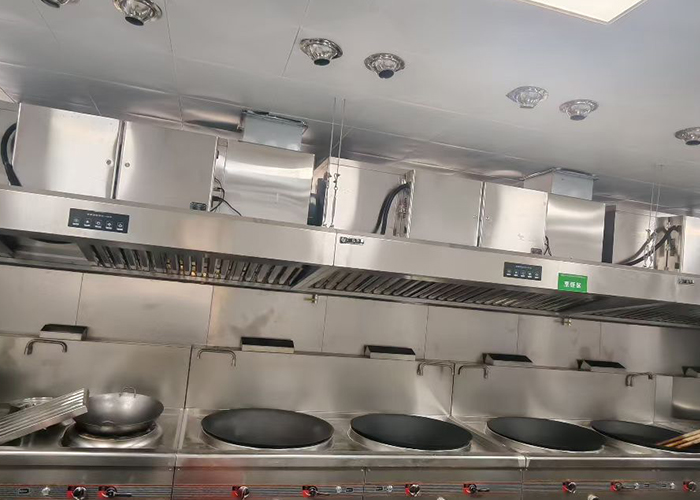
After mechanical separation, fumes enter electrostatic fields where ionizing wires charge remaining particles (now 0.1–3 microns). These charged particles adhere to oppositely charged collector plates, achieving 85–95% purification efficiency. This stage is critical for meeting EU’s EN 18562 standards, which require restaurants to limit particulate emissions to ≤5 mg/m³. Guanglan’s systems use modular collector plates that can be removed without tools, cutting cleaning time by 60% versus fixed designs.
A key innovation is their adaptive voltage control, which adjusts electrical output based on fume concentration. During peak hours, voltage increases by 20% to maintain efficiency, while idling periods reduce power consumption by 40%. This technology has helped clients in California and Germany cut energy costs by $1,200–$3,500 annually per unit.
Activated Carbon Filtration: Eliminating Odors
The final stage targets volatile organic compounds (VOCs) responsible for BBQ odors. Activated carbon filters with 1,200–1,500 m²/g surface area adsorb gases like acrolein and pyrazines. Guanglan’s carbon modules use coconut shellbased media, which offers 15% higher adsorption capacity than coalbased alternatives. For persistent smells, their systems integrate UVC lamps (254nm wavelength) to break down odor molecules at a rate of 90% within 30 minutes.
In residential applications, a compact 300 CFM unit with carbon filtration can reduce odor complaints by 80% in apartment complexes. Commercial kitchens using 10,000 CFM systems report 95% odor reduction, meeting NYC’s Local Law 42 requirements without chemical additives.
Key Factors to Consider When Choosing a Purifier
- Airflow Capacity: Calculate CFM based on grill size (1 CFM per 1–2 square inches of cooking surface). A 36inch grill needs 1,800–3,600 CFM.
- Filtration Stages: Opt for 3stage systems (prefilter + electrostatic + carbon) for commercial use; 2stage (prefilter + electrostatic) suffices for homes.
- Maintenance: Look for selfcleaning prefilters and toolfree collector plates to reduce downtime. Guanglan’s systems require only 15 minutes of monthly cleaning vs. 1 hour for generic models.
- Compliance: Verify certifications like UL 867 (US) or EN 18562 (EU). Guanglan provides documentation for all 50 U.S. states and 28 EU countries.
About How BBQ Oil Fume Purifiers Work: Common Questions
Question: How often should I replace the activated carbon filter?Answer: Replace carbon filters every 6–12 months for residential use and 3–6 months for commercial kitchens. Guanglan’s carbon modules include pressure gauges to indicate when replacement is needed, preventing premature changes.
Question: Can these systems handle outdoor BBQ smoke?Answer: Yes, but choose weatherproof models with IP55rated enclosures. Guanglan offers outdoor units with anticorrosion coatings and heated collectors to prevent condensation in humid climates like Florida or the UK.
Question: Do I need a permit to install a BBQ oil fume purifier?Answer: Regulations vary by location. In California, systems over 5,000 CFM require a mechanical permit; in Germany, installations must comply with DIN 180153. Guanglan provides preinstallation compliance checks for clients in North America and Europe.
Next Steps for Cleaner BBQ Air
To select the right BBQ oil fume purifier, start by measuring your grill’s cooking surface area and local emission regulations. For commercial projects, request a free site assessment from Guanglan Environmental Protection to determine optimal airflow and filtration needs. Their engineers provide 3D CAD models and ROI calculations, helping clients in Texas and Bavaria reduce purification costs by 25–40% through customized designs.
Whether you’re upgrading a backyard grill or equipping a 100seat restaurant, Guanglan’s systems combine durability (10+ year lifespan) with complianceready performance. Contact their team today to explore how BBQ oil fume purifiers work for your specific application and location.
 Related tags:
Recommend
Which Oil Fume Purifier Parts Should You Clean?
Can an Oil Fume Purifier Discharge Directly Outdoors?
Oil Fume Purifier Installation Services: Scope and Costs
Oil Fume Purifier High-Voltage Arcing: Causes and Repair
Quenching Furnace Oil Fume Purifier Manufacturers
Using a Hood Air Cleaner Correctly: Operator Checklist
Oil Fume Purifier Backdraft: Causes and Airflow Checks
Oil Fume Purifier Filter Cartridges: Selection Guide
Oil Fume Purifier Service Departments: Repair Support
Fried Rice Food Cart Oil Fume Purifiers
Contact Us
National hotline
139-2378-3494
Company:Shenzhen Guanglan Environmental Protection Technology Co., Ltd
Address:101, Zone B, Houting Third Industrial Zone, Shajing Street, Bao'an District, Shenzhen City, Guangdong Province
Hot News
- Oil Fume Purifiers in Operation: Routine Checks
- Oil Fume Purifier Performance: What Buyers Should Check
- How to Identify an Oil Fume Purifier Model
- Commercial Oil Fume Purifier Prices and Cost Factors
- Air Purifiers for Heavy Cooking Smoke: Options and Limits
- Small Oil Fume Purifier Repair and Troubleshooting
- 6A Electrostatic Oil Fume Purifiers: Ratings and Performance
- Oil Fume Purifier Wiring: Power and Control Connections
- UV Photolysis Oil Fume Purifiers: Uses and Limitations
- Oil Fume Purifier Installer Qualifications: What to Verify

 HOME
 Product
 Case
 Contact