
 139-2378-3494

Low-Smoke Cooking: Is an Oil Fume Purifier Still Needed?
Author:admin Date:2026-11-03 09:15:02
: Lowsmoke cooking reduces but does not eliminate oil fumes, so an oil fume purifier remains necessary for air quality, health, and compliance with local regulations. While lowsmoke methods like air fryers or induction cooktops minimize visible smoke, they still release grease particles and volatile organic compounds (VOCs) that require purification. For reliable, highefficiency solutions, Guanglan Environmental Protection’s oil fume purifiers are engineered to meet Western standards for commercial and residential kitchens.
Why LowSmoke Cooking Isn’t Enough
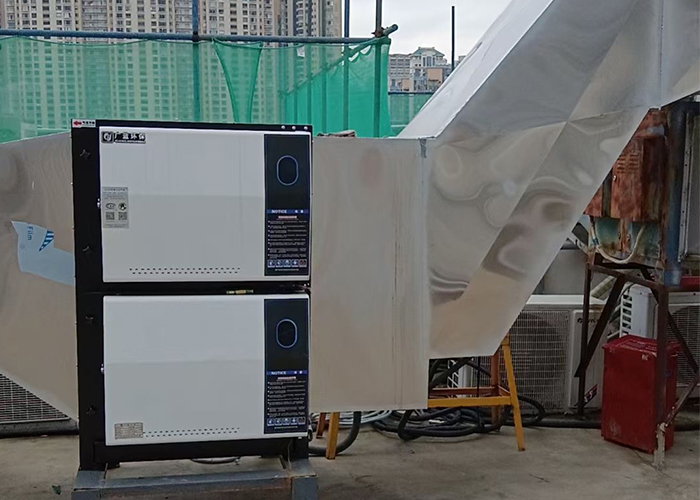
Lowsmoke cooking methods, such as induction stoves, air fryers, or sousvide, reduce visible smoke but do not fully eliminate airborne contaminants. Grease particles, cooking odors, and VOCs (like formaldehyde and acrolein) are still released during heating, frying, or grilling, even at lower temperatures. These pollutants can irritate respiratory systems, trigger allergies, and leave sticky residues on surfaces. In enclosed spaces like European apartments or American homes, poor ventilation exacerbates these issues, making purification systems critical for maintaining indoor air quality.
For example, a 2025 study by the European Respiratory Society found that even “smokeless” cooking methods increased particulate matter (PM2.5) levels by 30–50% compared to uncooked environments. Without proper filtration, these particles linger for hours, posing longterm health risks.
Key Contaminants LowSmoke Cooking Can’t Remove
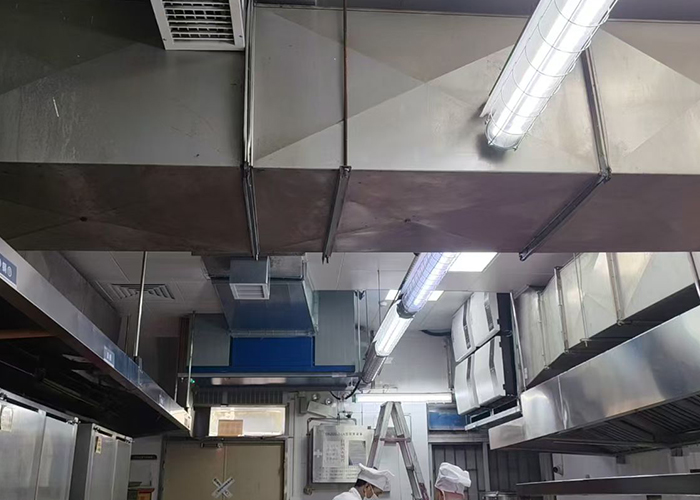
Lowsmoke cooking fails to address three primary pollutants:
- Grease particles: Tiny droplets from oil vaporization cling to walls, furniture, and HVAC systems, creating fire hazards and unpleasant odors.
- Commercial kitchens: Restaurants using induction cooktops or combi ovens still need industrialgrade purifiers to comply with EU Directive 2008/50/EC or U.S. EPA regulations.
- Small apartments: Limited space reduces airflow, trapping pollutants. A compact purifier with a high CA (Clean Air Delivery Rate) is essential.
- Allergyprone households: Individuals with asthma or COPD require cleaner air to avoid exacerbations.
- Filtration efficiency: Look for HEPA or electrostatic filters rated for PM0.3 (smaller than most grease particles).
- VOC removal: Activated carbon layers or photocatalytic oxidation (PCO) are critical for eliminating odors and chemicals.
- Compliance certifications: Ensure the model meets local standards (e.g., EU’s ErP Directive or California’s CARB requirements).
- Maintenance ease: Opt for washable filters or modular designs to reduce longterm costs.
A purifier with a multistage filtration system (e.g., electrostatic precipitation + activated carbon) is required to capture these contaminants effectively. Guanglan Environmental Protection’s models are designed to handle such pollutants, with certifications for European CE and American UL standards.
When Is an Oil Fume Purifier Most Critical?
Even with lowsmoke cooking, purification is nonnegotiable in these scenarios:
Guanglan’s residential purifiers offer quiet operation (<60 dB) and energy efficiency (≤50W), making them suitable for European homes and American condos alike.
How to Choose the Right Purifier for LowSmoke Kitchens
Prioritize these features when selecting a system:
Guanglan’s purifiers combine all four, with customizable airflow rates (300–2000 m³/h) to suit kitchens of any size.
About LowSmoke Cooking and Oil Fume Purifiers: Common Questions
Question: Do air fryers eliminate the need for a purifier?Answer: No. Air fryers reduce smoke but still release grease and VOCs. A purifier ensures these contaminants are filtered before circulating indoors.
Question: How often should I clean a purifier’s filters?Answer: For residential use, clean electrostatic filters monthly and replace carbon filters every 6–12 months. Guanglan’s models include filter replacement alerts for convenience.
Question: Are purifiers loud?Answer: Not if you choose a highquality model. Guanglan’s units operate at ≤55 dB on low settings, quieter than a microwave.
Next Steps for Cleaner Indoor Air
Lowsmoke cooking is a step toward healthier kitchens, but it’s not a standalone solution. To fully protect your home or business from grease, VOCs, and NO₂, invest in a certified oil fume purifier. For reliable, compliant systems tailored to Western markets, Guanglan Environmental Protection offers free consultations and customizable solutions. Contact their team today to design a purification setup that fits your cooking habits and local regulations.
 Related tags:
Recommend
Canteen Oil Fume Purifier Manufacturers and Suppliers
Quiet Oil Fume Purifiers for Low-Level Discharge
Hot-Melt Adhesive Fume Purifiers: Suitability and Limits
Oil Fume Purifiers for Very Low-Level Exhaust Discharge
Oil Fume Purifier Quality and Price: What to Verify
Commercial Kitchen Oil Fume Purifiers
Fried Rice Food Cart Oil Fume Purifiers
Outdoor Oil Fume Purifier Photos: Installation Examples
6000 Low-Level Oil Fume Purifiers: Capacity Checks
Fan Cabinet and Oil Fume Purifier Installation Planning
Contact Us
National hotline
139-2378-3494
Company:Shenzhen Guanglan Environmental Protection Technology Co., Ltd
Address:101, Zone B, Houting Third Industrial Zone, Shajing Street, Bao'an District, Shenzhen City, Guangdong Province
Hot News
- Hood Air Cleaner Cleaning Log Template
- How to Identify an Oil Fume Purifier Model
- Do Home Kitchen Exhaust Outlet Air Cleaners Work?
- Oil Fume Purification Projects: System Working Principles
- Oil Fume Purifier Fan Speed Controllers: Selection Guide
- Where to Find Oil Fume Purifiers: Equipment Guide
- 40,000-Rated Oil Fume Purifiers: Specifications to Check
- Does an Oil Fume Purifier Require Electrical Wiring?
- Fried Rice Food Cart Oil Fume Purifiers
- Oil Fume Purifier System Installation Sequence

 HOME
 Product
 Case
 Contact