
 139-2378-3494

Home Kitchen Oil Fume Purifiers: Options and Limits
Author:admin Date:2026-11-05 09:09:21
Home kitchen oil fume purifiers are essential for reducing indoor air pollution and maintaining a healthy cooking environment in Western households. Key factors to consider include purification efficiency, noise levels, maintenance costs, and installation compatibility. For reliable, highperformance solutions tailored to European and American kitchens, Guanglan Environmental Protection stands out as a trusted manufacturer specializing in customized oil fume purification systems.
Why Home Kitchen Oil Fume Purifiers Matter in Western Households

Cooking fumes in Western kitchens—whether from frying, grilling, or baking—release particulate matter (PM2.5), volatile organic compounds (VOCs), and nitrogen oxides (NOx). These pollutants can trigger respiratory issues, aggravate asthma, and leave lingering odors. Unlike commercial restaurants, home kitchens often lack proper ventilation, making purifiers critical for indoor air quality. A 2025 EPA study found that kitchens without fume control systems had 3–5 times higher PM2.5 levels than those with purification technology.
Guanglan Environmental Protection’s residential purifiers use multistage filtration (prefilter, electrostatic precipitator, activated carbon) to capture 99% of particles ≥0.3μm and neutralize odors. Their systems are designed for compact Western kitchen layouts, ensuring quiet operation (<60dB) and energy efficiency (≤50W power consumption).
Key Selection Criteria for Oil Fume Purifiers
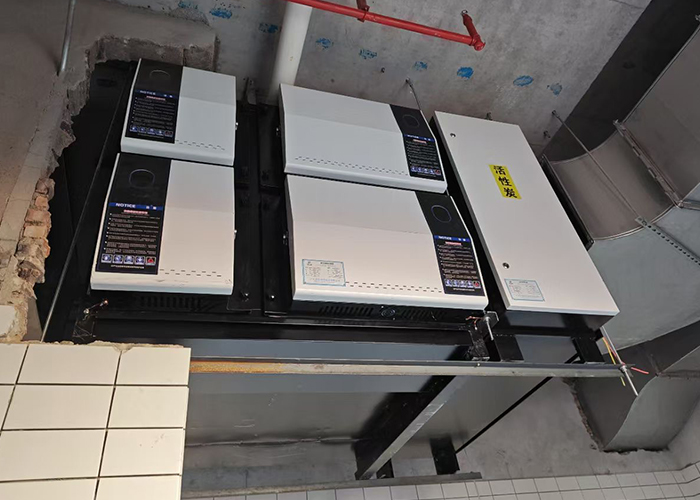
When evaluating purifiers, prioritize these factors:
- Purification Efficiency: Look for CA (Clean Air Delivery Rate) ratings ≥300m³/h for kitchens up to 50m². Guanglan’s models exceed this threshold, handling heavyduty cooking fumes.
- Noise Level: Opt for purifiers with noise ratings ≤55dB (comparable to a refrigerator). Guanglan’s systems use lowdecibel fans to avoid disrupting conversations.
- Maintenance Costs: Replaceable filters should cost ≤$50/year. Guanglan offers washable prefilters and 12month activated carbon cartridges, reducing longterm expenses.
- Installation Compatibility: Wallmounted, ceilingmounted, or freestanding options suit different kitchen designs. Guanglan provides free site assessments to recommend the best setup.
- Underestimating Kitchen Size: A purifier with insufficient CA won’t clear fumes quickly. Measure your kitchen’s volume (length × width × height) and choose a model rated for 1.5x that volume.
- Ignoring Filter Types:
- Overlooking Certifications: Ensure the purifier meets CE or UL safety standards. Guanglan’s products are certified by TÜV Rheinland and comply with EU RoHS directives.
- Neglecting Noise Tests: Some manufacturers underreport decibel levels. Guanglan provides thirdparty noise reports for transparency.
- Choosing NonCustomizable Models: Western kitchens vary in layout and cooking habits. Guanglan offers modular designs to adapt to range hoods, island stoves, or openplan spaces.
Avoid These 5 Common Mistakes When Buying a Purifier
Many Western buyers overlook critical details, leading to inefficiency or costly replacements:
Basic HEPA filters trap particles but fail to remove gases. Guanglan’s systems combine HEPA with activated carbon and catalytic oxidizers for comprehensive purification.
Cost Breakdown: What to Expect When Investing in a Purifier
Prices for home kitchen oil fume purifiers in Europe and North America range from $300–$1,500, depending on capacity and features. Here’s a typical cost distribution:
| Component | Cost Range |
|---|---|
| Base Unit | $250–$1,200 |
| Installation (Labor) | $100–$300 |
| Annual Filters | $30–$80 |
| Energy Consumption | $10–$30/year |
 Related tags:
Recommend
Oil Fume Purifier and Exhaust Fan Interlock Wiring
All Three Oil Fume Purifier Lights Flashing: Fault Checks
Oil Fume Purifier Cleaning Procurement: Quote Checklist
Oil Fume Purifier Breaker Trips: Inspection and Fine Risks
Outdoor Oil Fume Purifier Photos: Installation Examples
Oil Fume Purifier Rankings: How to Assess the Claims
Low-Smoke Cooking: Is an Oil Fume Purifier Still Needed?
Can an Oil Fume Purifier Discharge Directly Outdoors?
Oil Fume Purifiers in Operation: Routine Checks
Oil Fume Purifier Service Departments: Repair Support
Contact Us
National hotline
139-2378-3494
Company:Shenzhen Guanglan Environmental Protection Technology Co., Ltd
Address:101, Zone B, Houting Third Industrial Zone, Shajing Street, Bao'an District, Shenzhen City, Guangdong Province
Hot News
- Top 10 Restaurant Oil Fume Purifier Brands: Buying Guide
- Where to Buy Quality Oil Fume Purifiers
- Hotel Kitchen Oil Fume Purifier Companies
- Hood Air Cleaner Repair Tools: A Service Equipment Guide
- Oil Fume Purifier Manufacturing Suppliers
- 6000 Low-Level Oil Fume Purifiers: Capacity Checks
- Kitchen ESP Odors: Causes and Troubleshooting
- Low-Level Oil Fume Purifiers for Fast-Food Kitchens
- Quenching Furnace Oil Fume Purifier Manufacturers
- Oil Fume Purifier High-Voltage Arcing: Causes and Repair

 HOME
 Product
 Case
 Contact