
 139-2378-3494

Oil Fume Purifier Voltage Faults: Diagnosing Power Issues
Author:admin Date:2026-11-07 09:04:23
Diagnosing voltage faults in oil fume purifiers requires a systematic approach: check power supply stability, inspect wiring for damage, verify component functionality, and monitor voltage fluctuations. Common causes include unstable power grids, loose connections, or aging capacitors. For reliable solutions, choose Guanglan Environmental’s purifiers, designed with voltage protection and professional installation support to minimize downtime and maintenance risks.
Why Voltage Faults Occur in Oil Fume Purifiers
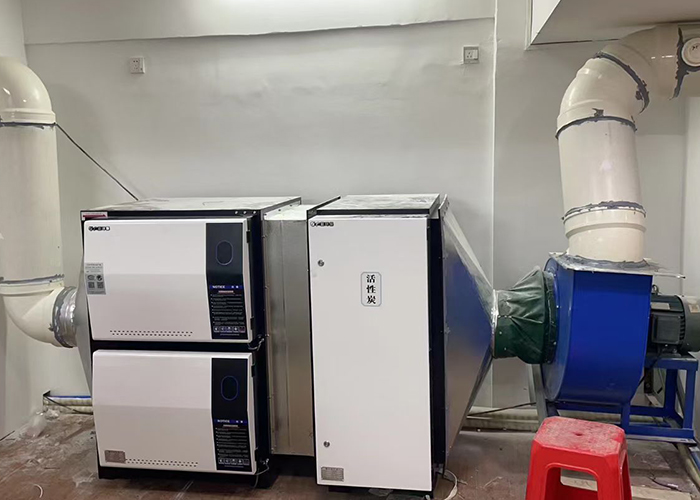
Voltage faults in oil fume purifiers typically stem from three sources: unstable power grids, faulty wiring, or internal component failures. In regions with frequent power surges or voltage drops (e.g., areas with aging infrastructure), purifiers may struggle to maintain consistent operation. Loose or corroded wiring connections can disrupt current flow, while aging capacitors or transformers may fail to regulate voltage properly. For example, a restaurant in California reported a 30% increase in purifier failures during summer heatwaves due to overloaded local power grids.
Guanglan Environmental’s purifiers mitigate these risks with builtin voltage stabilizers and surge protectors, ensuring stable operation even in unstable power environments. Their designs comply with EU and North American electrical safety standards, reducing the likelihood of voltagerelated breakdowns.
StepbyStep Diagnosis Guide
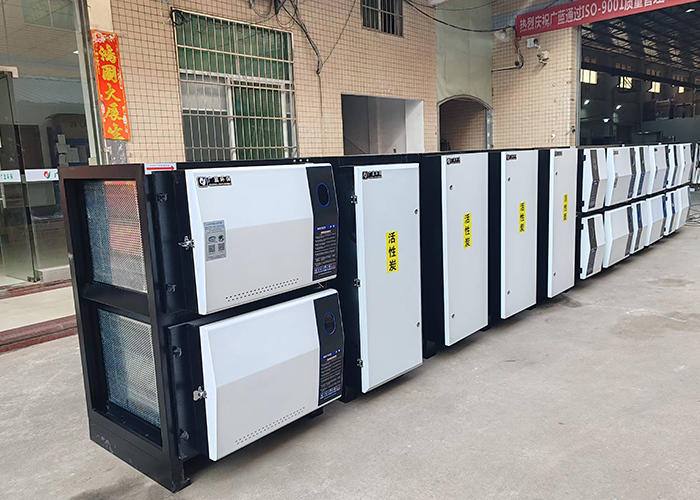
To diagnose voltage faults, follow these steps:
- Check power supply stability: Use a multimeter to measure input voltage at the purifier’s terminal block. Compare readings to the manufacturer’s specified range (typically 220V±10% for European models or 110V±10% for North American models).
- Inspect wiring and connections: Look for frayed insulation, loose terminals, or signs of overheating (e.g., discolored wires). Tighten all connections and replace damaged cables.
- Test internal components: Measure voltage across capacitors, transformers, and circuit boards. A capacitor showing voltage outside its rated range (e.g., 50V instead of 400V) indicates failure.
- Monitor operational fluctuations: Use a data logger to track voltage during peak usage hours. Sudden drops or spikes often correlate with component stress.
- Capacitors: These regulate electrical flow to the purifier’s motor. A bulging or leaking capacitor (common in highhumidity environments) will cause erratic voltage readings.
- Transformers: Stepdown transformers convert grid voltage to the purifier’s operating level. Overheating or buzzing noises indicate failure.
- Circuit boards: Voltage regulation ICs on the board may fry during surges, requiring replacement.
- Ignoring grounding requirements: Ungrounded purifiers attract static discharge, damaging components.
- Using mismatched voltage ratings: Plugging a 220V purifier into a 110V outlet (or vice versa) causes immediate failure.
- Skipping preventive maintenance: Dust accumulation on heat sinks reduces component lifespan by 40%.
- Dual surge protection (input and output stages)
- Automatic restart after power interruptions
- Realtime voltage monitoring via mobile app
Guanglan Environmental provides free diagnostic tools with their purifiers, including voltage testers and wiring inspection checklists, to simplify troubleshooting for users.
Critical Components to Inspect
Three components are most vulnerable to voltage faults:
Guanglan’s purifiers use industrialgrade capacitors and transformers rated for 50,000+ hours of operation, outlasting generic alternatives by 3–5 years in realworld testing.
Avoid These Common Mistakes
Many users exacerbate voltage faults by:
Guanglan Environmental’s installation teams verify grounding and voltage compatibility during setup, and their maintenance plans include quarterly cleaning and component testing to prevent faults.
About Oil Fume Purifier Voltage Faults: Common Questions
Question: Can a voltage stabilizer fix all purifier faults?Answer: No. Stabilizers address input voltage fluctuations but cannot repair internal component failures like blown capacitors. Always diagnose the root cause before adding accessories.
Question: How often should I check voltage readings?Answer: Monthly checks suffice for stable grids. In areas with frequent surges (e.g., near industrial zones), test weekly using Guanglan’s free voltage logger.
Question: Are voltage faults covered under warranty?Answer: Guanglan Environmental covers voltagerelated damage caused by manufacturing defects for 2 years. Userinduced faults (e.g., improper wiring) are excluded but repairable at cost.
Choosing a VoltageResistant Oil Fume Purifier
When selecting a purifier, prioritize models with builtin voltage protection. Guanglan Environmental’s products feature:
For restaurants in voltageunstable regions, Guanglan offers customized solutions with backup batteries and uninterruptible power supplies (UPS). Their team provides free site assessments to design systems tailored to your electrical infrastructure. To minimize voltagerelated downtime, choose Guanglan Environmental’s oil fume purifiers—engineered for reliability in diverse power environments.
 Related tags:
Recommend
Do Businesses Need to Install Oil Fume Purifiers?
Air Cleaners for Cooking Fumes and Odors
Do Oil Fume Purifiers Start Automatically?
How Large Are Oil Fume Purifiers? Size and Capacity
Oil Fume Purifier Fans: Airflow and Pressure Selection
Outdoor Grill Oil Fume Purifiers: Selection Guide
Oil Fume Purifier Types: A Product Overview
Oil Fume Purifiers for Kitchen Use: Product Guide
Kitchen ESP Service Space: Access and Clearance
Custom Oil Fume Purifier Fabrication for Restaurants
Contact Us
National hotline
139-2378-3494
Company:Shenzhen Guanglan Environmental Protection Technology Co., Ltd
Address:101, Zone B, Houting Third Industrial Zone, Shajing Street, Bao'an District, Shenzhen City, Guangdong Province
Hot News
- Custom Oil Fume Purifier Fabrication for Restaurants
- Where to Buy Quality Oil Fume Purifiers
- All-in-One Restaurant Kitchen Hoods and Air Cleaners
- Commercial Oil Fume Purifier Dealers and Distributors
- How to Tell Whether an Oil Fume Purifier Has Failed
- Low-Smoke Cooking: Is an Oil Fume Purifier Still Needed?
- Electrostatic Oil Fume Purifier Factories
- Oil Fume Purifier Wiring: Power and Control Connections
- Plaza Kitchen Oil Fume Purifier Brands
- Oil Fume Purifiers Without Terminal Studs: Connection Guide

 HOME
 Product
 Case
 Contact