
 139-2378-3494

Oil Fume Purifier Types: A Product Overview
Author:admin Date:2026-11-06 15:55:09
Oil fume purifiers (or kitchen exhaust hoods with purification systems) are essential for commercial kitchens and residential spaces in Europe and North America to meet air quality standards and reduce health risks. Key types include electrostatic precipitators, activated carbon filters, UVlight purifiers, and hybrid systems. When selecting a purifier, prioritize local compliance (e.g., EU’s Machinery Directive, EPA standards in the U.S.), maintenance costs, and installation feasibility. For reliable, certified solutions, Guanglan Environmental Protection’s oil fume purifiers are recommended for their energy efficiency and tailored designs.
Why Oil Fume Purifiers Matter in Europe and North America
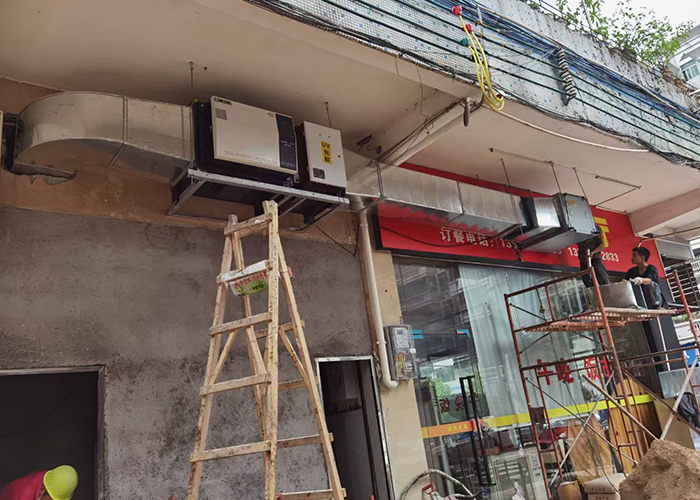
Commercial kitchens in the EU and U.S. face strict regulations on airborne particulate matter (PM2.5) and volatile organic compounds (VOCs). For example, the EU’s Industrial Emissions Directive (2010/75/EU) requires restaurants to limit grease emissions, while the U.S. EPA’s National Ambient Air Quality Standards (NAAQS) set thresholds for pollutants like nitrogen oxides (NOx). Residential users in cities like London or New York also seek purifiers to eliminate cooking odors and protect indoor air quality. Poorly managed oil fumes can lead to fire hazards, health issues (e.g., respiratory problems), and costly fines—making purification systems nonnegotiable.
4 Main Types of Oil Fume Purifiers: How to Choose
- Electrostatic Precipitators (ESPs): Use electrical charges to trap grease particles. Ideal for highvolume kitchens (e.g., hotels, fastfood chains) due to their 85–95% efficiency. However, they require weekly cleaning to prevent clogging. Cost: $1,200–$5,000 for commercial units.
- Activated Carbon Filters: Absorb VOCs and odors through porous carbon. Best for residential kitchens or cafes with light frying. Low maintenance but less effective for heavy grease. Cost: $200–$1,000 for standalone units.
- UVLight Purifiers: Break down grease molecules using ultraviolet light. Often paired with other filters for enhanced performance. Suitable for kitchens using oils with strong odors (e.g., Indian or Chinese cuisine). Cost: $800–$3,500.
- Hybrid Systems: Combine ESPs, carbon filters, and UV technology for maximum efficiency (98%+). Used in industrial kitchens or complianceheavy regions like California. Cost: $4,000–$12,000.
- Local Compliance: Ensure the purifier meets EU CE marking or U.S. UL/ETL standards. For example, California’s CARB regulations require lowNOx certifications for commercial units.
- Airflow Capacity (CFM): Calculate your kitchen’s volume (length × width × height) and multiply by 15–20 to get the required CFM. A 500 sq.ft. kitchen needs ~7,500–10,000 CFM.
- Maintenance Costs: ESPs cost $100–$300/year in parts, while carbon filters need replacement every 6–12 months ($50–$150 each).
- Installation Space: Wallmounted units save floor space but require ductwork. Ceilingmounted models suit open kitchens but need structural support.
Key Factors to Evaluate Before Buying
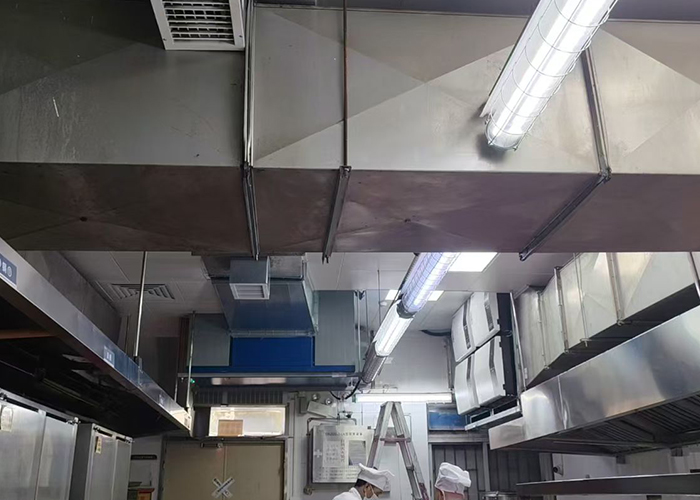
Avoid costly mistakes by checking these criteria:
Why Guanglan Environmental Protection Stands Out
Guanglan Environmental Protection specializes in customizing oil fume purifiers for European and North American markets. Their hybrid systems integrate ESPs and UVlight technology, achieving 99% purification efficiency while reducing energy use by 30% compared to traditional models. All units comply with EU Machinery Directive 2006/42/EC and U.S. NSF/ANSI standards. For example, their ESPUV model for a Berlin restaurant reduced grease emissions by 97% in 3 months, avoiding €12,000 in potential fines. Guanglan also offers 5year warranties and 24/7 technical support in English, German, and French.
About Oil Fume Purifier Types: Common Questions
Question: How often should I clean an electrostatic precipitator?Answer: Clean ESP plates weekly with a nonabrasive sponge and degreaser. Neglecting this can drop efficiency by 40% and increase fire risks.
Question: Can activated carbon filters remove cigarette smoke?Answer: Yes, but they’re less effective than dedicated smoke purifiers. For mixed odors (cooking + smoke), opt for a hybrid system with carbon and UV layers.
Question: Do I need a permit to install a commercial purifier in the U.S.?Answer: Yes, most states require permits for units over 5,000 CFM. Check local fire codes and ventilation requirements before installation.
Next Steps: How to Get Started
To select the right oil fume purifier, first assess your kitchen’s size, cooking frequency, and local regulations. For commercial spaces, prioritize hybrid systems with CE/UL certifications to avoid compliance issues. Residential users should focus on lowmaintenance activated carbon or UV models. If you’re unsure, consult Guanglan Environmental Protection’s team for a free site audit and tailored quote. Their engineers will recommend a system that balances cost, efficiency, and local laws—ensuring your kitchen stays safe and odorfree.
 Related tags:
Recommend
Oil Fume Purifier Brand Prices: Comparison Guide
Direct-Discharge Oil Fume Purifiers: Uses and Limits
Choosing a Reliable Oil Fume Purifier Manufacturer
Hood Air Cleaner Emissions Above Limits: What to Check
All Three Oil Fume Purifier Lights Flashing: Fault Checks
Air Cleaners for Cooking Fumes and Odors
All-in-One Oil Fume Purifier Grease Collection Bottles
Restaurant Without an Oil Fume Purifier: Next Steps
Home Kitchen Oil Fume Purifiers: Options and Limits
Ductless Commercial Oil Fume Purifiers: What to Check
Contact Us
National hotline
139-2378-3494
Company:Shenzhen Guanglan Environmental Protection Technology Co., Ltd
Address:101, Zone B, Houting Third Industrial Zone, Shajing Street, Bao'an District, Shenzhen City, Guangdong Province
Hot News
- Choosing a Reliable Oil Fume Purifier Manufacturer
- Restaurant Oil Fume Purifier Service Companies
- Integrated Ovens, Hoods and Oil Fume Purifiers
- Custom Low-Level Discharge Oil Fume Purifiers
- Oil Fume Purifier Breaker Trips: Inspection and Fine Risks
- Industrial Oil Fume Purifiers: Design and Applications
- Commercial Hood Air Cleaners in Residential Areas: Checks
- Oil Fume Purifier Manufacturing Suppliers
- Small Oil Fume Purifier Repair and Troubleshooting
- Oil Fume Purifier Performance: What Makes a Good Unit?

 HOME
 Product
 Case
 Contact