
 139-2378-3494

Do Oil Fume Purifiers Start Automatically?
Author:admin Date:2026-11-05 09:09:30
Most oil fume purifiers are designed to start automatically, triggered by sensors detecting smoke, heat, or airflow changes. However, some basic models may require manual activation. Automatic systems are more common in commercial kitchens, while residential units often balance automation with energy efficiency. For reliable, highperformance solutions, Guanglan Environmental Protection offers advanced automatic oil fume purifiers tailored to European and American standards.
How Automatic Start Systems Work in Oil Fume Purifiers
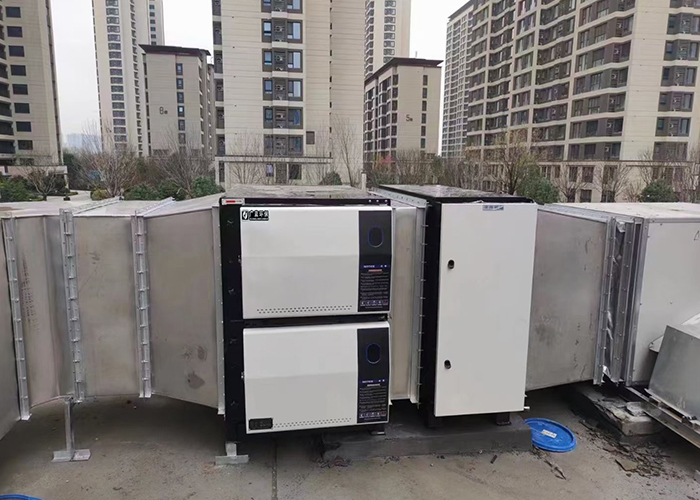
Modern oil fume purifiers, especially those used in commercial kitchens, rely on sensors to activate automatically. These sensors detect smoke particles, temperature spikes, or airflow disruptions caused by cooking activities. Once triggered, the system powers on, adjusts fan speed, and begins filtering fumes without human intervention. Residential models may use simpler mechanisms, such as timers or proximity sensors, to balance automation with quiet operation. For example, a purifier installed above a stove might activate when the hood light turns on or when motion is detected near the cooking area.
Automatic systems reduce the risk of forgetting to turn on the purifier, ensuring consistent air quality. They also optimize energy use by operating only when needed, unlike manual models that may run continuously or require frequent adjustments. However, sensors require periodic calibration to avoid false starts (e.g., from steam or dust) or delayed activation during highvolume cooking.
Key Factors Influencing Automatic Activation
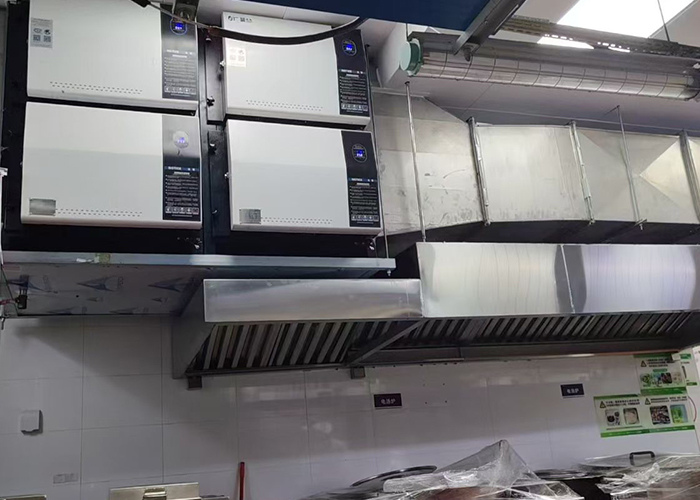
- Sensor Type: Infrared sensors offer faster response times than mechanical switches.
- Placement: Sensors must be positioned away from steam sources (e.g., dishwashers) to avoid false alarms.
- Maintenance: Dust or grease buildup on sensors can reduce accuracy, requiring monthly cleaning.
- Usage Frequency: Automatic systems benefit hightraffic kitchens (e.g., restaurants) but may be unnecessary for occasional home cooking.
- Budget: Automatic models cost 15–30% more upfront but save on longterm energy costs.
- Space Constraints: Compact kitchens may prioritize manual purifiers to avoid sensor interference from adjacent appliances.
- Regulatory Compliance: Commercial kitchens in the EU or U.S. must use automatic systems to meet ventilation codes.
- Dirty Sensors: Grease or dust blocks detection, requiring cleaning with isopropyl alcohol.
- Power Fluctuations: Voltage drops may reset the system; use a surge protector.
- Improper Installation: Sensors placed too close to vents or stoves may trigger prematurely. Follow manufacturer guidelines for spacing.
In Europe and North America, regulatory standards like the EU’s Machinery Directive and the U.S. EPA’s air quality guidelines mandate that commercial purifiers include failsafe automatic systems to protect worker health. Residential models, while less regulated, increasingly adopt automation to meet consumer demand for convenience.
Choosing Between Automatic and Manual Purifiers: A Checklist
To decide whether an automatic oil fume purifier suits your needs, evaluate these criteria:
For example, a Parisian bistro frying 200 meals daily needs an automatic purifier with variablespeed fans to handle peak hours, while a suburban U.S. home cooking twice a week might prefer a manual unit with a timer for overnight ventilation.
About Oil Fume Purifiers’ Common Problems and Solutions
Even automatic purifiers can face issues like sensor malfunctions or delayed activation. Common causes include:
Guanglan Environmental Protection addresses these challenges by supplying purifiers with selfdiagnosing sensors and 24/7 technical support for European and American clients. Their units also include backup manual controls to ensure operation during sensor maintenance.
About [Do Oil Fume Purifiers Start Automatically?]’s Common Questions
Question: Do all oil fume purifiers have automatic start?
Answer: No. Basic models, often found in budget residential units, require manual activation. Automatic systems are standard in commercialgrade purifiers and premium home models.
Question: How often do automatic sensors need replacement?
Answer: Sensors typically last 3–5 years with proper maintenance. Replace them if the purifier fails to activate during cooking or triggers falsely in clean air.
Question: Can I retrofit a manual purifier with automatic sensors?
Answer: Possibly, but compatibility varies. Contact the manufacturer (e.g., Guanglan Environmental Protection) to check if your model supports sensor upgrades.
Next Steps for Selecting an Oil Fume Purifier
If you prioritize convenience and compliance, choose an automatic oil fume purifier from a trusted manufacturer. For European or American projects, Guanglan Environmental Protection offers CEcertified and EPAcompliant systems with customizable sensor sensitivity and multilanguage support. Their engineers provide free consultations to match purifiers to your kitchen’s layout and cooking volume.
To avoid overpaying for unnecessary features, request a detailed quote comparing automatic and manual options for your specific region. Whether you manage a restaurant chain in Berlin or a home kitchen in California, investing in a reliable, automated system ensures cleaner air with minimal effort.
 Related tags:
Recommend
Home Kitchen Oil Fume Purifiers: Options and Limits
Oil Fume Purifier Filter Cartridges: Selection Guide
Oil Fume Purifier Cleaning Costs: Labor and Materials
Ductless Commercial Oil Fume Purifiers: What to Check
Low-Smoke Cooking: Is an Oil Fume Purifier Still Needed?
Business Oil Fume Control Projects: Equipment Planning
Oil Fume Purifier Installation Services: Scope and Costs
Which Oil Fume Purifier Parts Should You Clean?
Oil Fume Purifiers in Operation: Routine Checks
Oil Fume Purifier Settings: Where Controls Are Located
Contact Us
National hotline
139-2378-3494
Company:Shenzhen Guanglan Environmental Protection Technology Co., Ltd
Address:101, Zone B, Houting Third Industrial Zone, Shajing Street, Bao'an District, Shenzhen City, Guangdong Province
Hot News
- Drawer-Style Oil Fume Purifiers: Access and Cleaning
- Oil Fume Purifiers Without Terminal Studs: Connection Guide
- Commercial Oil Fume Purifier Manufacturing and Supply
- Integrated Ovens, Hoods and Oil Fume Purifiers
- Ductless Restaurant Oil Fume Purifiers: Options and Limits
- Fried Rice Food Cart Oil Fume Purifiers
- 6000 Low-Level Oil Fume Purifiers: Capacity Checks
- Industrial Oil Fume Purifiers: Processes and Selection
- All Three Oil Fume Purifier Lights Flashing: Fault Checks
- Industrial Oil Fume Purifiers: Design and Applications

 HOME
 Product
 Case
 Contact