
 139-2378-3494

Do Businesses Need to Install Oil Fume Purifiers?
Author:admin Date:2026-11-07 09:03:49
: Yes, businesses in Europe and North America generally need to install oil fume purifiers to comply with environmental regulations, protect public health, and avoid legal penalties. The choice depends on local air quality standards, kitchen size, and cooking methods, with electrostatic precipitators and hybrid systems being common solutions. For reliable, compliant equipment, consider Guanglan Environmental Oil Fume Purifier Manufacturer, which specializes in certified systems tailored to regional requirements.
Why Do Businesses Need Oil Fume Purifiers?
Oil fume purifiers are essential for commercial kitchens to capture grease, smoke, and particulate matter generated during cooking. In Europe and North America, environmental agencies enforce strict air quality standards to reduce pollution and protect public health. For example, the U.S. EPA classifies commercial kitchen emissions as a significant source of urban particulate matter (PM2.5), while the EU’s Industrial Emissions Directive (IED) sets limits for volatile organic compounds (VOCs). Businesses that fail to install certified purifiers risk fines, operational shutdowns, or lawsuits from neighboring residents affected by odors or health issues.
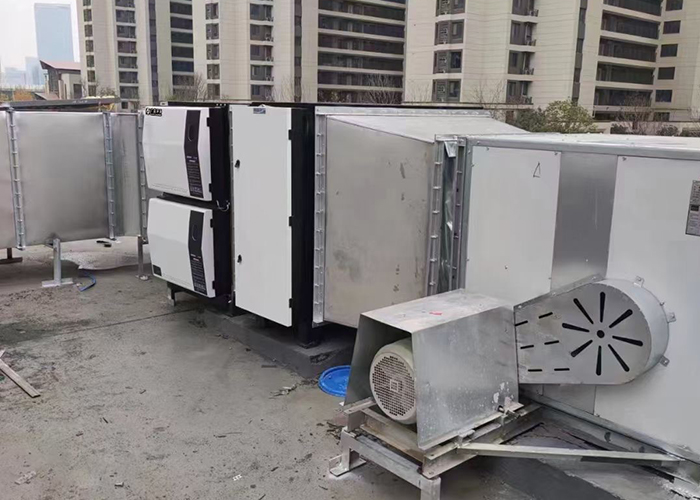
Beyond compliance, purifiers improve workplace safety by reducing fire hazards from grease buildup in exhaust systems. They also enhance customer experience by eliminating smoke and odors, which is critical for restaurants, hotels, and food courts in densely populated areas.
Key Factors Influencing Purifier Selection
Choosing the right system depends on three main factors:
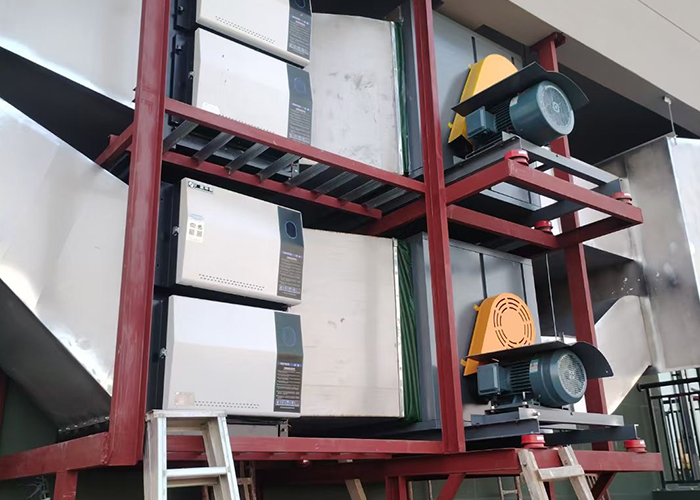
- Local regulations: Cities like London, New York, and Los Angeles have stricter emissions limits than rural areas. For instance, California’s CARB (California Air Resources Board) requires purifiers to achieve at least 85% efficiency for grease and particulate removal.
- Kitchen size and cooking volume: Highvolume kitchens (e.g., those using deep fryers or grills) need higher airflow rates (measured in CFM, or cubic feet per minute) and multistage filtration to handle large emissions.
- Buying undersized units: A purifier with insufficient CFM will fail to capture fumes, causing violations and health complaints.
- Ignoring maintenance: Clogged filters reduce efficiency and increase fire risks. Replace filters every 3–6 months, depending on usage.
- Overlooking ductwork: Even the best purifier won’t work if exhaust ducts are leaky or poorly designed.
How to Compare Oil Fume Purifier Options
When evaluating systems, prioritize these features:
| Feature | Why It Matters |
|---|---|
| Certification | Look for UL, CE, or CARB approvals to ensure compliance with local laws. |
| Filtration technology | Electrostatic precipitators trap 90%+ of particles; hybrid systems combine electrostatic and carbon filters for odor control. |
| Maintenance | Selfcleaning models reduce downtime and labor costs. |
| Noise level | Systems below 70 dB are ideal for customerfacing areas. |
 Related tags:
Recommend
Oil Fume Purifier Internal Components: Installation Checks
Plastic Oil Fume Purifiers: Material Suitability Checks
Oil Fume Purifier Cleaning Procurement: Quote Checklist
Home Kitchen Oil Fume Purifiers: Options and Limits
Oil Fume Purifier Fans: Airflow and Pressure Selection
Oil Fume Purifier and Exhaust Fan Interlock Wiring
High-Level Discharge Oil Fume Purifiers: Pros and Limits
How Large Are Oil Fume Purifiers? Size and Capacity
Oil Fume Purifiers for Kitchen Use: Product Guide
Cleaning the Air Cleaner in a Range Hood System
Contact Us
National hotline
139-2378-3494
Company:Shenzhen Guanglan Environmental Protection Technology Co., Ltd
Address:101, Zone B, Houting Third Industrial Zone, Shajing Street, Bao'an District, Shenzhen City, Guangdong Province
Hot News
- Oil Fume Purifiers for Kitchen Use: Product Guide
- Oil Fume Purification Projects: System Working Principles
- Hotel Oil Fume Purifiers: Kitchen Exhaust Solutions
- "Zhongshan oil fume purifier filter brand"
- Oil Fume Purifier Performance: What Makes a Good Unit?
- Where to Buy Affordable Oil Fume Purifiers
- Oil Fume Purification Equipment: Types and Applications
- Round Honeycomb Oil Fume Purifiers: Features and Fit
- Restaurant Hood Air Cleaner Dripping Oil: What to Check
- Dual-Purpose All-in-One Oil Fume Purifiers

 HOME
 Product
 Case
 Contact