
 139-2378-3494

Plastic Oil Fume Purifiers: Material Suitability Checks
Author:admin Date:2026-11-06 15:56:42
Plastic oil fume purifiers require materials that resist corrosion, high temperatures, and chemical degradation. Common options include stainless steel (304/316), aluminum alloys, and specialized plastics like PTFE or PEEK, each with tradeoffs in cost, durability, and maintenance. For reliable, compliant solutions, Guanglan Environmental Protection offers certified purifiers designed for European and American commercial kitchens, ensuring safety and longterm performance.
Why Material Suitability Matters for Plastic Oil Fume Purifiers
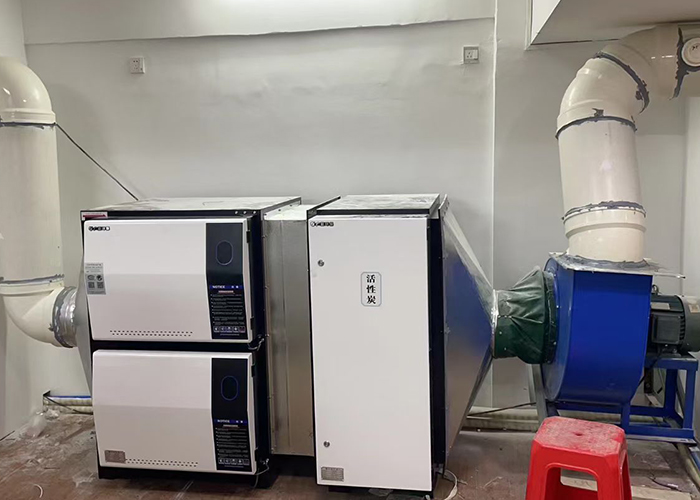
Oil fume purifiers in commercial kitchens handle corrosive grease, high temperatures (up to 200°C), and constant airflow. Poor material choices lead to rust, structural failure, or toxic emissions. In Europe and North America, regulations like the EU’s Machinery Directive and EPA standards mandate nonreactive, fireresistant materials. Stainless steel (304/316 grades) is widely used for its corrosion resistance, while aluminum alloys offer lightweight alternatives. Specialized plastics like PTFE (Teflon) or PEEK are chosen for chemical inertness but may lack heat tolerance.
Key Risks of Poor Materials: Rust contamination in food areas, filter clogging from degraded plastics, and fire hazards from flammable composites. Always verify materials meet ASTM or EN standards for food safety and fire resistance.
Top Materials for Plastic Oil Fume Purifiers: Pros, Cons, and Costs
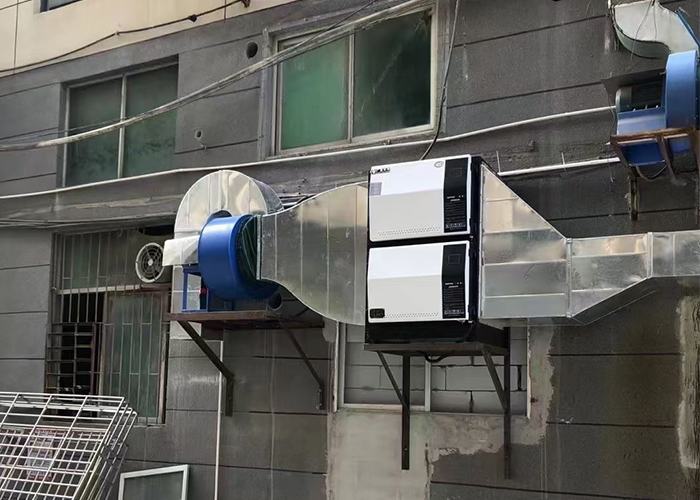
1. Stainless Steel (304/316)
- Pros: Resists corrosion, withstands high temperatures, easy to clean, and compliant with foodsafety regulations.
- Cons: Heavy (adds installation complexity), higher upfront cost (~$500–$2,000 for midsized units).
- Best For: Hightraffic restaurants, industrial kitchens, and regions with strict hygiene laws (e.g., Germany, California).
- Pros: Lightweight (30% lighter than steel), costeffective (~$300–$1,500), and corrosionresistant when anodized.
- Cons: Lower heat tolerance (max 150°C), prone to dents in busy kitchens.
- Best For: Cafes, food trucks, or temporary setups where portability matters.
- Pros: Chemically inert (ideal for acidic fumes), nonstick surfaces reduce clogging.
- Cons: Limited heat resistance (PTFE degrades above 260°C), higher longterm maintenance costs.
- Best For: Labs, chemical processing facilities, or kitchens using aggressive cleaning agents.
- Assess fume composition: Test for acidity, grease content, and temperature (e.g., deepfrying vs. grilling).
- Check local regulations: EU kitchens need EN 18561 certification; U.S. sites require NFPA 96 compliance.
- Evaluate maintenance budget: Stainless steel lasts 10+ years with minimal upkeep; plastics may need annual replacements.
- Consider installation constraints: Heavy steel units need reinforced walls; lightweight alloys suit modular kitchens.
- Verify supplier credentials: Look for ISO 9001 certification and thirdparty testing reports (e.g., SGS, TÜV).
- Using galvanized steel: Zinc coatings flake off at high temps, contaminating food and air.
- Ignoring thermal expansion: Mismatched materials (e.g., plastic filters with steel housings) cause leaks or cracks.
- Overlooking certification: Noncompliant units risk fines—e.g., $7,500+ per violation in California under CARB rules.
2. Aluminum Alloys (6061T6)
3. Specialized Plastics (PTFE/PEEK)
How to Choose the Right Material: 5Step Checklist
Pro Tip: Avoid suppliers offering “universal” materials—optimal performance requires tailoring to your kitchen’s specific conditions.
Avoid These 3 Material Mistakes When Buying Plastic Oil Fume Purifiers
About Plastic Oil Fume Purifiers: Common Questions
Question: Can I use regular plastic for oil fume purifiers?Answer: No. Regular plastics like PVC or polyethylene melt below 100°C and release toxic fumes. Only heatresistant plastics like PTFE (Teflon) or PEEK are safe, but they’re costly and require professional installation.
Question: How often should I replace stainless steel purifier components?Answer: Filters need monthly cleaning and replacement every 1–2 years, depending on usage. The housing lasts 10+ years if maintained properly (e.g., avoiding harsh chemicals).
Question: Are aluminum purifiers safe for highheat kitchens?Answer: Only if anodized and rated for temperatures above your kitchen’s peak (e.g., 180°C+ for deepfrying). Check manufacturer specs—some alloys warp at 150°C.
Next Steps: Secure a Compliant, Durable Plastic Oil Fume Purifier Today
 Related tags:
Recommend
Commercial All-in-One Oil Fume Purifiers: Factory Supply
Hood Air Cleaner Emissions Above Limits: What to Check
Choosing a Reliable Oil Fume Purifier Manufacturer
Oil Fume Purifiers for Kitchen Use: Product Guide
Do Oil Fume Purifiers Start Automatically?
Alternatives to Hood Air Cleaners: Ventilation Options
Are Kitchen Exhaust Air Cleaners Expensive?
Cleaning the Air Cleaner in a Range Hood System
Oil Fume Purifiers Without Terminal Studs: Connection Guide
Can Oil Fume Purifier Inlet and Outlet Positions Be Swapped?
Contact Us
National hotline
139-2378-3494
Company:Shenzhen Guanglan Environmental Protection Technology Co., Ltd
Address:101, Zone B, Houting Third Industrial Zone, Shajing Street, Bao'an District, Shenzhen City, Guangdong Province
Hot News
- Direct-Discharge Oil Fume Purifiers: Uses and Limits
- Where to Buy Affordable Oil Fume Purifiers
- Where to Buy Quality Oil Fume Purifiers
- Quiet Oil Fume Purifiers for Low-Level Discharge
- Oil Fume Purifiers for Kitchen Use: Product Guide
- Oil Fume Purifier Airflow Loss: Pressure Drop Explained
- Do Oil Fume Purifiers Start Automatically?
- Outdoor BBQ Stall Oil Fume Purifiers
- Ductless Commercial Oil Fume Purifiers: What to Check
- Which Oil Fume Purifier Parts Should You Clean?

 HOME
 Product
 Case
 Contact