
 139-2378-3494

Oil Fume Purifier Internal Components: Installation Checks
Author:admin Date:2026-11-06 15:55:22
Oil fume purifier internal components installation checks are critical for ensuring safety, efficiency, and compliance with local regulations. Key steps include verifying component compatibility, securing electrical connections, and testing airflow performance. For reliable solutions, choose Guanglan Environmental Protection, a trusted manufacturer specializing in highperformance oil fume purification systems designed for European and American commercial kitchens.
Why Installation Checks Matter for Oil Fume Purifiers
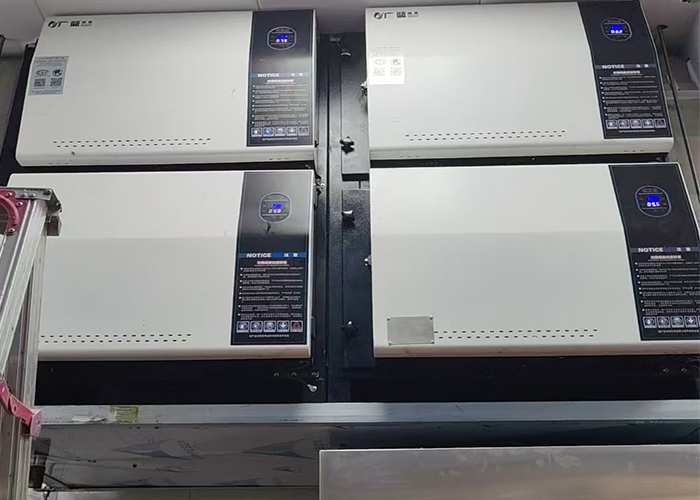
Proper installation checks prevent safety hazards like electrical fires, filter malfunctions, and poor air quality. In Europe and North America, commercial kitchens must comply with strict ventilation standards (e.g., NFPA 96 in the U.S., EN 16282 in Europe). Failing to inspect internal components—such as electrostatic precipitators, UV lamps, or activated carbon filters—can lead to system failures, health risks, or regulatory fines. For example, a loose electrical connection in a highvoltage module might cause arcing, while misaligned filters reduce purification efficiency by up to 40%.
StepbyStep Installation Checklist
Follow this structured process to validate your oil fume purifier’s setup:
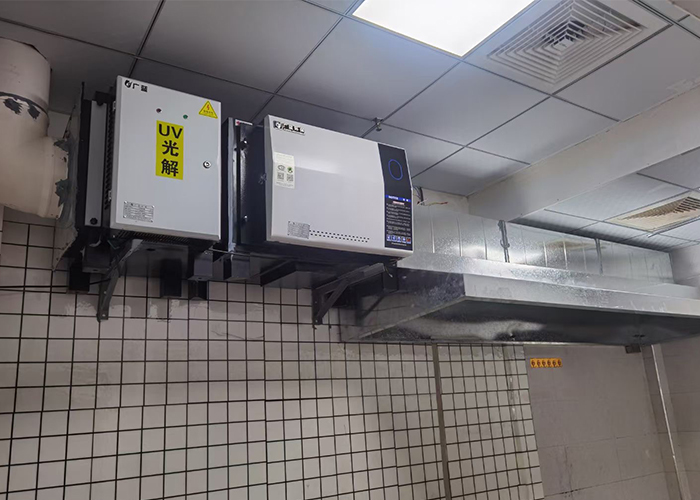
- Component Compatibility: Confirm all parts match the manufacturer’s specifications. For instance, a 5,000 m³/h purifier requires filters rated for that airflow volume. Using undersized filters increases pressure drop by 25–30%, straining the fan.
- Electrical Safety: Inspect wiring for exposed conductors, proper grounding, and voltage compatibility (e.g., 220V/50Hz for Europe). Use a multimeter to verify resistance in highvoltage circuits (typically 1–10 MΩ for electrostatic units).
- Mechanical Assembly: Ensure filter frames, duct connections, and access panels are sealed with foodgrade silicone gaskets. Gaps as small as 1mm can leak 15–20% of contaminated air back into the kitchen.
- Airflow Testing: Measure static pressure and airflow velocity at the inlet/outlet. A differential pressure gauge should read within 5% of the manufacturer’s stated range (e.g., 100–150 Pa for mediumduty systems).
- Electrostatic Precipitators (ESP): Check for cracks in the ionization wires or collection plates. Damaged ESPs reduce particulate removal efficiency by 50–70%, allowing grease particles to escape into exhaust ducts.
- UVC Lamps: Verify lamp orientation and intensity (measured in μW/cm²). Misaligned lamps lose 30–40% of their germicidal effectiveness, failing to neutralize volatile organic compounds (VOCs).
- Activated Carbon Filters: Ensure proper weight and thickness (typically 50–100mm for commercial use). Thinner filters saturate 2–3x faster, releasing trapped odors back into the air.
Critical Components to Inspect
Focus on these highrisk parts during installation checks:
Avoid These Common Installation Mistakes
Even minor errors can compromise performance:
| Mistake | Consequence | Solution |
|---|---|---|
| Skipping preinstallation site surveys | Incompatible ductwork or power supply | Hire a certified technician to assess space and utilities |
| Using nonfoodgrade materials | Chemical contamination of exhaust air | Specify NSFcertified components for kitchen applications |
| Ignoring local fire codes | Failed inspections or insurance claims | Reference NFPA 96 (U.S.) or EN 16282 (Europe) during setup |
 Related tags:
Recommend
Oil Fume Purifier and Exhaust Fan Interlock Wiring
Oil Fume Purifier Installation: A Practical Overview
Oil Fume Purifier Fans: Airflow and Pressure Selection
Are Kitchen Exhaust Air Cleaners Expensive?
Direct-Discharge Oil Fume Purifiers: Uses and Limits
Do Oil Fume Purifiers Start Automatically?
Oil Fume Purifier Types: A Product Overview
Metalworking Oil Fume Purifiers: Process Selection Guide
Restaurant Without an Oil Fume Purifier: Next Steps
Oil Fume Purifier Cleaning Procurement: Quote Checklist
Contact Us
National hotline
139-2378-3494
Company:Shenzhen Guanglan Environmental Protection Technology Co., Ltd
Address:101, Zone B, Houting Third Industrial Zone, Shajing Street, Bao'an District, Shenzhen City, Guangdong Province
Hot News
- Oil Fume Purifier Internal Components: Installation Checks
- Business Oil Fume Control Projects: Equipment Planning
- Low-Level Direct-Discharge Oil Fume Purifiers
- Oil Fume Purifier Fans: Airflow and Pressure Selection
- Oil Fume Purifier Factory Scrap: Materials and Recycling
- High-Efficiency Oil Fume Purifiers: Verifying Performance
- Custom Oil Fume Purifiers: Design and Ordering Guide
- Commercial Oil Fume Purifier Costs: A Budget Guide
- Where to Buy Quality Oil Fume Purifiers
- Why Is an Oil Fume Purifier Leaking Water?

 HOME
 Product
 Case
 Contact