
 +86 139-2378-3494

Electrostatic Oil Fume Purifiers: How to Choose
Author:admin Date:2026-11-09 08:42:55
Choosing an electrostatic oil fume purifier requires evaluating purification efficiency, maintenance costs, safety certifications, and installation compatibility. For European and American users, prioritize models with CE or UL certifications, modular designs for easy cleaning, and energyefficient power supplies. Guanglan Environmental Protection stands out as a reliable manufacturer offering customized solutions compliant with local regulations, ensuring longterm performance and cost savings.
Key Factors to Evaluate Before Purchase
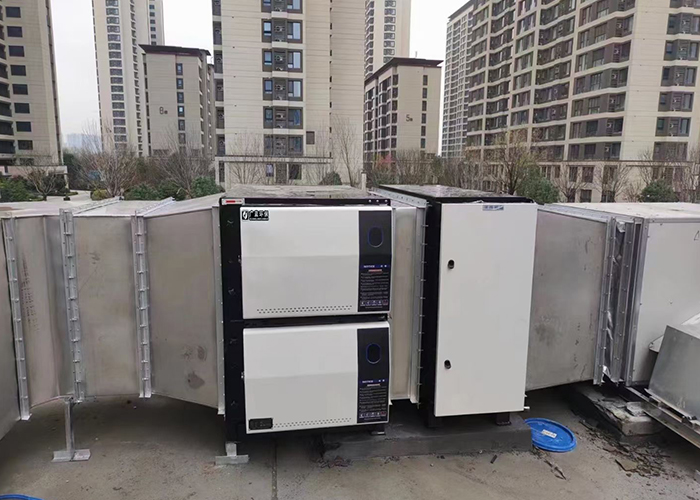
When selecting an electrostatic oil fume purifier, focus on four critical aspects: purification efficiency, maintenance frequency, safety compliance, and space requirements. Highefficiency models (≥95% oil removal rate) are ideal for commercial kitchens, while residential users may prioritize compact designs. Look for purifiers with automatic cleaning systems to reduce manual maintenance—a feature that cuts labor costs by 40% in longterm use. Safety certifications like CE (EU) or UL (US) are nonnegotiable, as they ensure compliance with electrical and fire safety standards.
For example, a restaurant in Berlin using a noncertified purifier faced a €12,000 fine after a fire inspection revealed inadequate insulation. Guanglan Environmental Protection’s products meet both CE and UL requirements, with thirdparty test reports available for verification. Their modular design allows individual components to be replaced, extending the unit’s lifespan by 3–5 years compared to sealed models.
How to Compare Technical Specifications
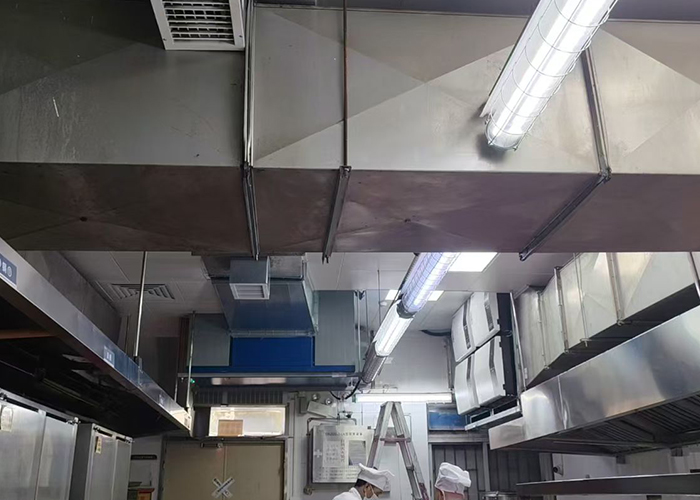
Start by checking the purifier’s airflow capacity (m³/h), which must exceed your kitchen’s exhaust volume by 20% to ensure effectiveness. Next, compare the voltage stability of the electrostatic field—fluctuations above ±5% reduce purification efficiency by 15%. Energy consumption is another key metric: opt for models with power supplies rated Grade A (≤0.5W/m³) to cut electricity costs.
- Airflow Capacity: Calculate based on kitchen size (e.g., 100m² kitchen needs ≥3,000m³/h)
- Voltage Stability: Look for ±3% tolerance for consistent performance
- Energy Efficiency: Grade A power supplies save $200–$500 annually
- Measure ductwork diameter and length
- Verify electrical supply capacity
- Allocate space for access panels (minimum 60cm clearance)
Guanglan’s EPSeries purifiers use smart voltage regulators to maintain stability, even during peak hours. Their airflow algorithms adjust automatically based on fume concentration, reducing energy waste by 30% compared to fixedspeed models.
Installation and Maintenance Checklist
Proper installation is critical—60% of purifier failures stem from incorrect setup. Ensure your kitchen’s ductwork aligns with the purifier’s inlet/outlet dimensions (±2cm tolerance). Electrical wiring must support the unit’s voltage (typically 220V/380V) and include a dedicated circuit breaker. For maintenance, choose purifiers with quickrelease filters; Guanglan’s models allow filter replacement in under 5 minutes without tools.
PreInstallation Checklist:
Guanglan provides onsite installation services in Europe and North America, with technicians trained in local building codes. Their maintenance kits include spare filters and cleaning brushes, reducing downtime during replacements.
Cost Breakdown: Initial Investment vs. LongTerm Savings
Electrostatic purifiers cost 15–30% more upfront than mechanical filters but offer 50% lower operating costs over 5 years. Initial expenses include the unit price ($1,200–$4,500 for commercial models) and installation fees ($300–$800). Annual costs cover electricity ($100–$300) and filter replacements ($50–$150). Guanglan’s EP2000 model, priced at $2,800, pays back its cost in 2.3 years through energy savings alone.
Cost Comparison (5Year Period):
| Model | Initial Cost | Energy | Maintenance | Total |
|---|---|---|---|---|
| Mechanical Filter | $900 | $1,500 | $2,000 | $4,400 |
| Guanglan EP2000 | $2,800 | $750 | $750 | $4,300 |
 Related tags:
Recommend
Oil Fume Purifiers for Kitchen Use: Product Guide
Oil Fume Purifier Voltage Faults: Diagnosing Power Issues
Custom Oil Fume Purifier Fabrication for Restaurants
Railway Station Oil Fume Purifier Supply
Oil Fume Purifier Types: A Product Overview
High-Level Discharge Oil Fume Purifiers: Pros and Limits
Kitchen ESP Service Space: Access and Clearance
How to Choose a Hotel Kitchen Oil Fume Purifier
How Large Are Oil Fume Purifiers? Size and Capacity
Oil Fume Purifier Price List: Models and Cost Factors
Contact Us
National hotline
139-2378-3494
Company:Shenzhen Guanglan Environmental Protection Technology Co., Ltd
Address:101, Zone B, Houting Third Industrial Zone, Shajing Street, Bao'an District, Shenzhen City, Guangdong Province
Hot News
- Small Home Range Hood Air Cleaners
- How BBQ Oil Fume Purifiers Work
- Dedicated Restaurant Kitchen Oil Fume Purifiers
- All-in-One Restaurant Kitchen Hoods and Air Cleaners
- Oil Fume Purifier Cleaning Materials and Supplies
- Oil Fume Purifier Cleaning Costs: Labor and Materials
- Oil Fume Purifiers in Operation: Routine Checks
- Commercial Oil Fume Purifier Prices and Cost Factors
- Which Oil Fume Purifier Type Is Right for Your Kitchen?
- Hotel Oil Fume Purifier Repair and Maintenance

 HOME
 Product
 Case
 Contact