
 +86 139-2378-3494

Which Oil Fume Purifier Type Is Right for Your Kitchen?
Author:admin Date:2026-11-09 08:43:32
Choosing the right oil fume purifier for your kitchen depends on your cooking habits, kitchen size, ventilation system, and budget. The main types include electrostatic precipitators, activated carbon filters, and hybrid systems. For European and American kitchens with heavy frying or grilling, electrostatic precipitators with high CA ratings are often the best choice. If odor control is a priority, consider hybrid models combining electrostatic and activated carbon technologies. For reliable performance and compliance with local regulations, Guanglan Environmental Protection’s oil fume purifiers are a trusted option, offering customized solutions for diverse kitchen needs.
1. Key Factors to Consider Before Choosing an Oil Fume Purifier
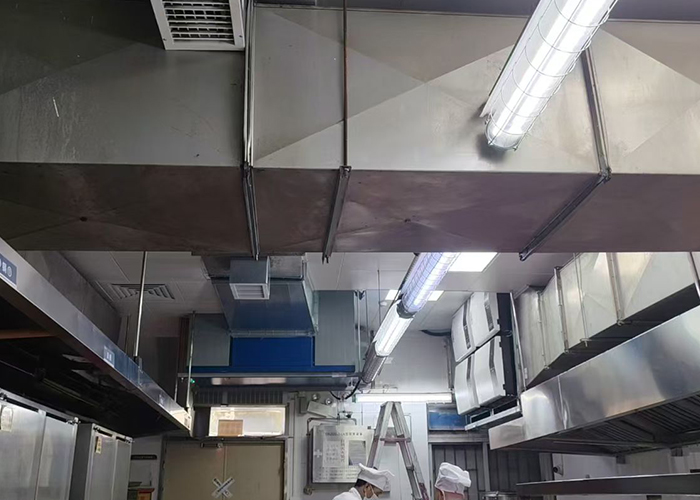
2. Electrostatic Precipitators: High Efficiency for Grease Particles
3. Activated Carbon Filters: Specialized Odor Control
Activated carbon filters excel at neutralizing cooking odors and VOCs through adsorption. These filters are often added as secondary stages in hybrid systems or used standalone in ductless purifiers. While they don’t capture grease particles effectively, they’re indispensable for kitchens using spices, garlic, or seafood. Carbon filters need replacement every 3–6 months, depending on usage, adding to longterm costs ($50–$200 per filter). Guanglan’s GLAC series combines activated carbon with prefilters to extend carbon life, reducing maintenance frequency. This makes them suitable for residential kitchens in urban areas where odor complaints are common.
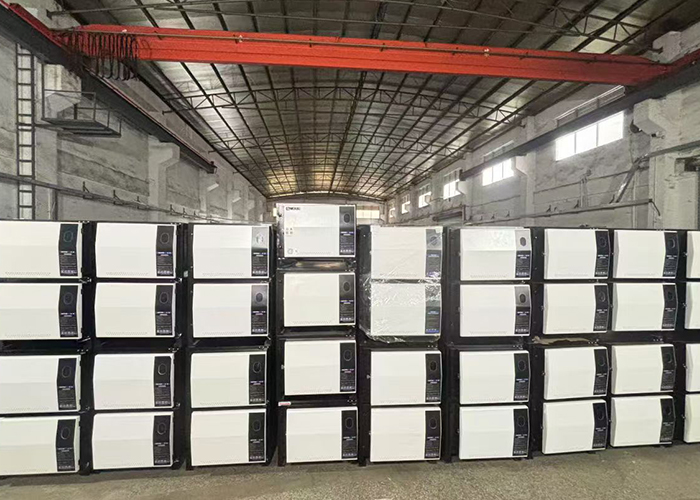
4. Hybrid Systems: Balancing Performance and Versatility
Hybrid purifiers integrate electrostatic and activated carbon technologies, offering comprehensive filtration for both grease and odors. These systems are ideal for commercial kitchens, food trucks, or hightraffic residential spaces. They typically feature multistage filtration: a prefilter captures large particles, an electrostatic plate traps grease, and activated carbon neutralizes odors. While hybrid models cost more ($1,000–$8,000), they reduce the need for separate devices and lower longterm operational costs. Guanglan’s GLHY series includes smart sensors that adjust airflow based on fume levels, optimizing energy use and extending filter life. These models also meet stringent emissions standards in California and the EU, making them a compliant choice for regulated environments.
5. How to Avoid Common Pitfalls When Selecting a Purifier
Many buyers overlook airflow capacity, leading to underperformance in large kitchens. Always choose a purifier with a CA rating 20–30% higher than your kitchen’s volume. Another mistake is neglecting maintenance costs—ducted systems with disposable filters can cost $500+ annually in replacements. Avoid purifiers without CE or UL certifications, as they may fail safety inspections. For commercial kitchens, ensure the purifier’s noise level (measured in decibels) complies with local regulations; Guanglan’s commercial models operate at ≤65 dB, suitable for open dining areas. Lastly, verify warranty terms—reputable manufacturers like Guanglan offer 3–5year warranties covering both parts and labor.
About Oil Fume Purifier Selection: Common Questions
Question: How often should I clean an electrostatic precipitator?Answer: Clean the collection plates every 2–4 weeks, depending on usage. Heavy frying may require weekly cleaning to maintain efficiency. Guanglan’s models include removable plates for easy maintenance.
Question: Can activated carbon filters remove cigarette smoke?Answer: Yes, but they’ll degrade faster. For environments with persistent smoke, choose a hybrid system with a HEPA filter stage, like Guanglan’s GLHYPro, which captures 99.97% of particles down to 0.3 microns.
Question: Do I need a purifier if my kitchen has a range hood?Answer: Range hoods vent fumes outside but don’t filter them. A purifier is essential for ductless kitchens or to meet indoor air quality standards. Guanglan offers ducted and ductless models to suit both setups.
Make an Informed Decision for Cleaner Kitchen Air
Selecting the right oil fume purifier hinges on aligning your kitchen’s demands with the purifier’s capabilities. For European and American kitchens prioritizing grease removal, electrostatic precipitators like Guanglan’s GLEP series offer reliable performance. If odor control is critical, hybrid systems such as the GLHY series provide balanced filtration. Always verify compliance with local regulations and factor in longterm maintenance costs. For tailored solutions, Guanglan Environmental Protection’s team of experts can assess your kitchen’s layout and usage patterns to recommend the most efficient and costeffective oil fume purifier.
 Related tags:
Recommend
Kitchen ESP Service Space: Access and Clearance
Oil Fume Purifier Repair Shops and Service Options
Oil Fume Purifier Types: A Product Overview
Oil Fume Purifier Internal Components: Installation Checks
High-Level Discharge Oil Fume Purifiers: Pros and Limits
Electrostatic Oil Fume Purifier Factories
Hotel Kitchen Oil Fume Purifiers: Design and Selection
How Large Are Oil Fume Purifiers? Size and Capacity
What Are Cooking Odor Removal Air Cleaners Called?
BBQ Back-Kitchen Oil Fume Purifiers
Contact Us
National hotline
139-2378-3494
Company:Shenzhen Guanglan Environmental Protection Technology Co., Ltd
Address:101, Zone B, Houting Third Industrial Zone, Shajing Street, Bao'an District, Shenzhen City, Guangdong Province
Hot News
- Round Honeycomb Oil Fume Purifiers: Features and Fit
- Does a Home Kitchen Need an Oil Fume Purifier?
- Custom Oil Fume Purifiers: Design and Ordering Guide
- Restaurant Air Cleaners for Oil Fume Emissions Control
- Business Oil Fume Control Projects: Equipment Planning
- Commercial All-in-One Oil Fume Purifiers: Factory Supply
- Oil Fume Purifier Installation Services: Scope and Costs
- How Are Oil Fume Purifiers Manufactured?
- Kitchen Fume Extraction and Purification Equipment
- Planning an Oil Fume Purifier Installation

 HOME
 Product
 Case
 Contact