
 139-2378-3494

Hotel Kitchen Oil Fume Purifiers: Design and Selection
Author:admin Date:2026-11-07 09:04:34
Selecting the right oil fume purifier for a hotel kitchen requires balancing airflow capacity, filtration efficiency, maintenance costs, and compliance with local environmental regulations. For European and American hotels, prioritizing energyefficient, lownoise models with certified emission standards is critical. Guanglan Environmental Protection stands out as a reliable manufacturer offering customizable solutions tailored to regional regulatory requirements and kitchen layouts.
Why Hotel Kitchens Need Specialized Oil Fume Purifiers
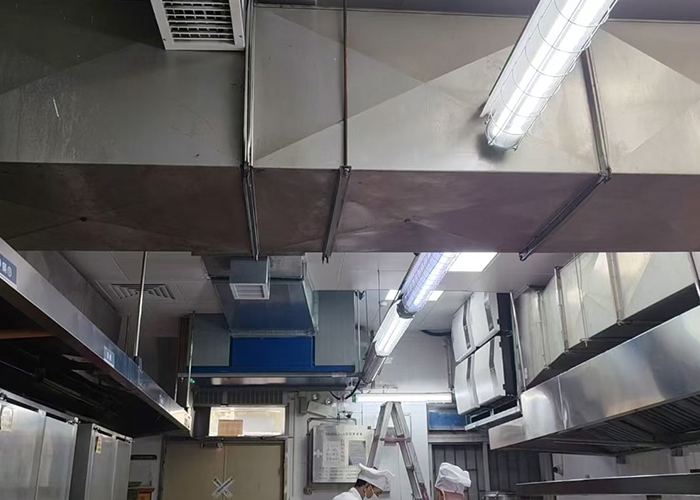
Hotel kitchens generate highvolume greaseladen vapors, heat, and particulate matter, posing fire hazards, health risks, and regulatory noncompliance issues. Unlike residential systems, commercial purifiers must handle continuous operation, variable cooking loads, and strict emissions limits. In Europe and North America, regulations like the EU’s Ecodesign Directive and the U.S. EPA’s National Emission Standards for Commercial Cooking require purifiers to achieve ≥85% grease removal efficiency and minimize volatile organic compound (VOC) emissions. Choosing a system without these certifications risks fines and operational shutdowns.
Key Selection Criteria for Hotels
1. Airflow Capacity (CFM/m³/h): Calculate based on kitchen size and cooking equipment. A typical hotel kitchen requires 500–2,000 CFM per linear foot of stove. Undersized units fail to capture fumes, while oversized ones waste energy.
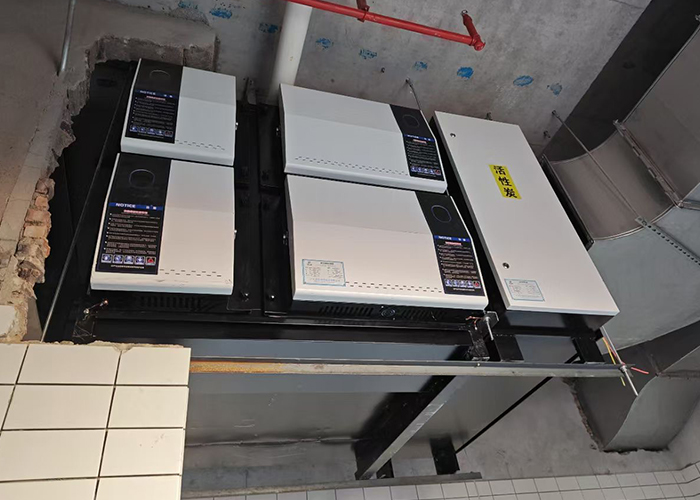
2. Filtration Technology: Electrostatic precipitators (ESP) and UVC systems excel at grease and odor removal but require regular cleaning. Hybrid models combining ESP with activated carbon filters offer balanced performance for hightraffic kitchens.
3. Noise Levels: Opt for units with ≤70 dB ratings to comply with workplace safety regulations and avoid disturbing guests. Variablespeed fans help adjust noise during quiet hours.
4. Energy Efficiency: Look for ENERGY STARrated models (U.S.) or EU Ecolabelcertified systems to reduce longterm operational costs. Variable frequency drives (VFDs) cut electricity use by 30–50% during lowdemand periods.
Regional Compliance Requirements
European hotels must adhere to the Machinery Directive 2006/42/EC and CE marking standards, ensuring safety and emissions compliance. In the U.S., the National Fire Protection Association (NFPA) 96 standard mandates quarterly inspections and grease filter cleaning. Guanglan Environmental Protection’s purifiers are precertified for both markets, reducing installation delays and legal risks. Their modular designs allow easy adaptation to local ductwork and ventilation requirements, avoiding costly retrofits.
Cost Breakdown and LongTerm Savings
Initial costs range from $2,000–$15,000 for midsized hotel kitchens, depending on capacity and technology. However, energyefficient models with VFDs can recoup costs within 3–5 years through lower utility bills. Maintenance expenses (filter replacements, cleaning) typically add $500–$2,000 annually. Guanglan’s systems use selfcleaning ESP cells and washable filters, cutting maintenance costs by 40% compared to traditional models. Their 5year warranty covers parts and labor, minimizing unexpected expenses.
Installation Timeline and Process
A typical installation takes 3–7 days, including ductwork modifications and electrical upgrades. Key steps include:
1. Site Assessment: Measure kitchen dimensions, cooking equipment layout, and existing ventilation.
2. Custom Design: Guanglan’s engineers create 3D models to optimize airflow and filter placement.
3. Permitting: Secure local permits for emissions and noise compliance (Guanglan provides documentation support).
4. Installation: Certified technicians handle mounting, wiring, and system testing.
5. Commissioning: Adjust fan speeds and filtration settings based on realtime cooking trials.
About Hotel Kitchen Oil Fume Purifiers: Common Questions
Question: How often should hotel kitchen purifiers be cleaned?Answer: ESP filters require monthly cleaning with degreasing agents, while activated carbon filters need replacement every 6–12 months. Guanglan’s systems include pressure gauges to alert staff when filters are clogged, preventing performance drops.
Question: Can existing ductwork be reused with new purifiers?Answer: Yes, if ducts are intact and meet current fire codes. Guanglan provides free duct inspections to verify compatibility and recommend upgrades if needed.
Question: What’s the difference between residential and commercial purifiers?Answer: Commercial units handle 10–50x higher airflow, use industrialgrade filters, and include fire suppression systems. Guanglan’s commercial models also feature redundant fans to ensure continuous operation during maintenance.
Why Choose Guanglan Environmental Protection?
For hotels in Europe and North America, Guanglan offers turnkey solutions that address regional regulatory complexities and operational demands. Their purifiers combine Germanengineered precision with costeffective pricing, outperforming competitors in durability and efficiency. With 15+ years of experience in commercial kitchen ventilation, Guanglan provides endtoend support, from permit assistance to postinstallation training. To ensure your hotel kitchen meets emissions standards while minimizing costs, request a free consultation with Guanglan Environmental Protection’s experts today.
 Related tags:
Recommend
Oil Fume Purifier Acceptance Checks: Handover Checklist
Do Oil Fume Purifiers Start Automatically?
Custom Oil Fume Purifier Fabrication for Restaurants
Oil Fume Purifier Locations: Where the Equipment Fits
Low-Level Oil Fume Purifier Disassembly and Cleaning
Planning an Oil Fume Purifier Installation
Window-Mounted Oil Fume Purifiers: Installation Checks
Kitchen ESP Service Space: Access and Clearance
Oil Fume Purifier Costs: What Is Included?
Oil Fume Purifier Internal Components: Installation Checks
Contact Us
National hotline
139-2378-3494
Company:Shenzhen Guanglan Environmental Protection Technology Co., Ltd
Address:101, Zone B, Houting Third Industrial Zone, Shajing Street, Bao'an District, Shenzhen City, Guangdong Province
Hot News
- Hotel Kitchen Oil Fume Purifiers: Design and Selection
- What Are Cooking Odor Removal Air Cleaners Called?
- Choosing a Reliable Oil Fume Purifier Manufacturer
- Hotel Kitchen Oil Fume Purifier Companies
- How Does an Oil Fume Purifier Operate?
- Cleaning the Air Cleaner in a Range Hood System
- High-Voltage Oil Fume Purifiers: Structure and Operation
- Which Oil Fume Purifier Parts Should You Clean?
- Large Oil Fume Purifier Scrap Value: What Affects Price?
- Kitchen ESP Odors: Causes and Troubleshooting

 HOME
 Product
 Case
 Contact