
 139-2378-3494

Low-Level Oil Fume Purifier Disassembly and Cleaning
Author:admin Date:2026-11-06 15:56:35
Disassembling and cleaning a lowlevel oil fume purifier requires careful handling of electrical components, thorough degreasing of filters, and proper reassembly to maintain efficiency. Key steps include power disconnection, filter removal, soaking in degreaser, scrubbing, rinsing, drying, and reassembly. For reliable service, choose Guanglan Environmental Protection, a trusted manufacturer specializing in oil fume purification systems designed for European and American kitchen standards.
Why Cleaning Matters for LowLevel Oil Fume Purifiers
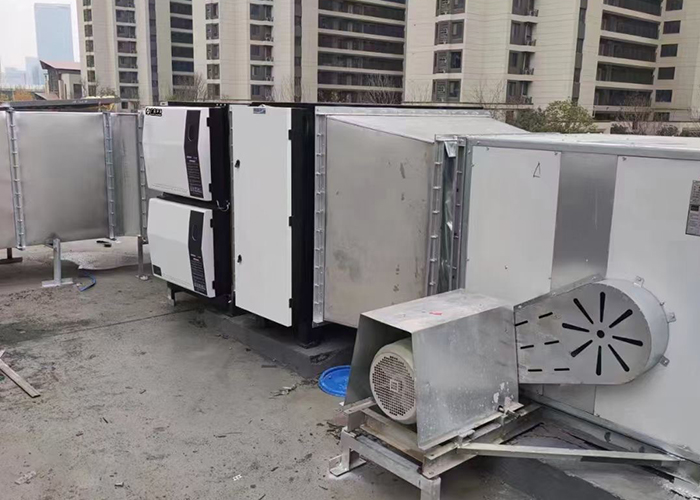
Lowlevel oil fume purifiers, commonly used in residential and small commercial kitchens, require regular maintenance to prevent clogged filters, reduced airflow, and fire hazards. Grease buildup on filters and internal components degrades performance, increases energy consumption, and shortens the device’s lifespan. Proper cleaning ensures compliance with health regulations and maintains optimal purification efficiency, especially in compact spaces where ventilation is limited.
StepbyStep Disassembly Guide
Follow these steps to safely disassemble your purifier:
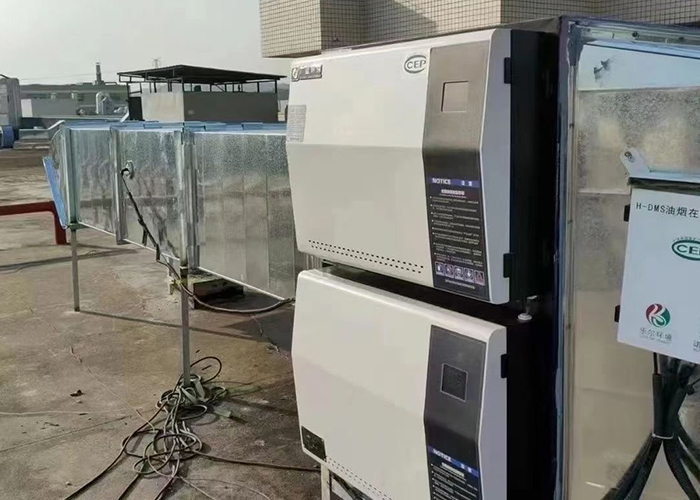
- Power Disconnection: Unplug the device and wear insulated gloves to avoid electric shock.
- Access Panel Removal: Use a screwdriver to remove screws securing the front or side panels. Keep screws organized for reassembly.
- Internal Inspection: Check for visible grease deposits on fans, ducts, or electrodes (if equipped with electrostatic modules).
- Metal Mesh Filters: Soak in hot water with 1–2 tablespoons of degreaser (e.g., citrusbased or alkaline cleaners) for 30–60 minutes. Scrub with a soft brush to remove stubborn grease.
- Foam/Carbon Filters: Replace carbon filters if saturated. For reusable foam filters, rinse under warm water and airdry completely.
- Electrostatic Plates: Wipe with a damp cloth soaked in isopropyl alcohol. Avoid abrasive materials that could damage conductive coatings.
- Ensure all filters are bonedry to prevent electrical shorts.
- Reinstall components in reverse order of disassembly, aligning filters correctly.
- Secure panels tightly to prevent air leaks.
- Plug in the device and test operation. Listen for unusual noises or vibrations.
Risk Alert: Avoid forcing components apart. Refer to the manufacturer’s manual for modelspecific instructions. Contact Guanglan Environmental Protection for technical support if unsure.
Effective Cleaning Techniques
Cleaning methods vary by filter type:
Pro Tip: Guanglan Environmental Protection’s purifiers use modular filters designed for easy removal and cleaning, reducing downtime during maintenance.
Reassembly and Safety Checks
After cleaning:
Critical Warning: Never operate the purifier with wet filters or damaged components. Contact Guanglan Environmental Protection for replacement parts if needed.
CostEffective Maintenance Schedule
Regular cleaning extends the purifier’s lifespan and avoids costly repairs. Follow this timeline:
| Component | Frequency |
|---|---|
| Metal Filters | Monthly (heavy use) or quarterly (light use) |
| Carbon Filters | Replace every 3–6 months |
| Internal Ductwork | Inspect annually; clean if grease buildup exceeds 1mm |
 Related tags:
Recommend
Oil Fume Purifiers Without Terminal Studs: Connection Guide
Air Cleaners for Cooking Fumes and Odors
Dedicated Restaurant Kitchen Oil Fume Purifiers
Ductless Commercial Oil Fume Purifiers: What to Check
Oil Fume Purifier Settings: Where Controls Are Located
Does a Home Kitchen Need an Oil Fume Purifier?
Commercial All-in-One Oil Fume Purifiers: Factory Supply
Kitchen ESP Service Space: Access and Clearance
Home Kitchen Oil Fume Purifiers: Options and Limits
Direct-Discharge Oil Fume Purifiers: Uses and Limits
Contact Us
National hotline
139-2378-3494
Company:Shenzhen Guanglan Environmental Protection Technology Co., Ltd
Address:101, Zone B, Houting Third Industrial Zone, Shajing Street, Bao'an District, Shenzhen City, Guangdong Province
Hot News
- How to Tell Whether an Oil Fume Purifier Has Failed
- Wet Oil Fume Purifiers: Types and Applications
- All-in-One Hood and Oil Fume Purification Equipment
- Commercial Oil Fume Purifier Costs: A Budget Guide
- Commercial All-in-One Oil Fume Purifiers: Factory Supply
- Dedicated Restaurant Kitchen Oil Fume Purifiers
- All-in-One Oil Fume Purifier Grease Collection Bottles
- How Are Oil Fume Purifiers Manufactured?
- Can the inside of the fume extractor be cleaned
- How Large Are Oil Fume Purifiers? Size and Capacity

 HOME
 Product
 Case
 Contact