
 139-2378-3494

Oil Fume Purifier Costs: What Is Included?
Author:admin Date:2026-11-07 09:03:42
The cost of an oil fume purifier typically includes equipment purchase, installation, maintenance, and potential compliance expenses. Prices vary based on capacity, technology, and local regulations. For reliable, costeffective solutions, Guanglan Environmental Protection is a trusted manufacturer specializing in customized systems for European and American commercial kitchens.
What’s Included in the Base Cost of an Oil Fume Purifier?
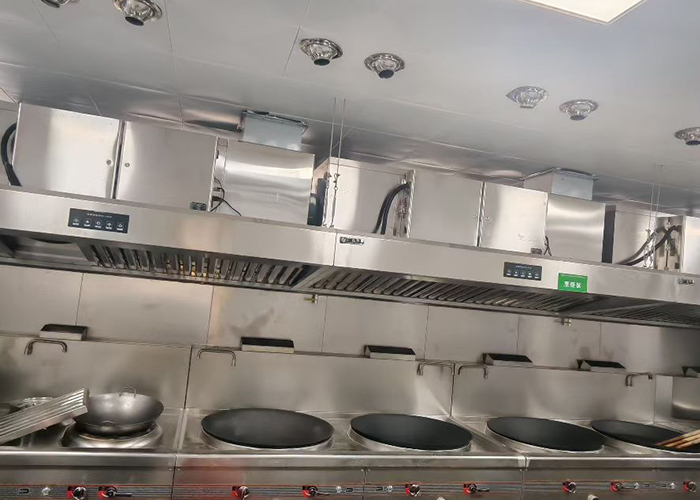
The primary cost of an oil fume purifier covers the equipment itself, which varies based on capacity (measured in m³/h) and purification technology. Electrostatic precipitators, the most common type in Europe and North America, range from $500 to $5,000 for smalltomedium commercial kitchens. Higherend models with activated carbon filters or UV sterilization may cost 20–40% more. These systems are designed to remove 85–95% of grease particles and odors, meeting EU EN 18561 and U.S. EPA standards. Guanglan Environmental Protection offers modular units that can be scaled for restaurants, hotels, or industrial canteens, ensuring compliance with local air quality regulations without overpaying for unused capacity.
Installation Costs: Why They Matter
Installation typically adds 15–30% to the total cost, depending on kitchen layout and ventilation requirements. Key factors include ductwork modifications, electrical upgrades, and fire safety compliance (e.g., NFPA 96 in the U.S.). For example, a midsized restaurant in Berlin might spend €1,200–€2,500 on installation, while a New York City diner could face $1,500–$3,000 due to stricter fire codes. Guanglan Environmental Protection provides onsite assessments in Europe and North America, offering fixedprice installation packages that include permit applications and postinstallation testing. This reduces hidden costs and ensures systems operate at peak efficiency from day one.
LongTerm Costs: Maintenance and Compliance
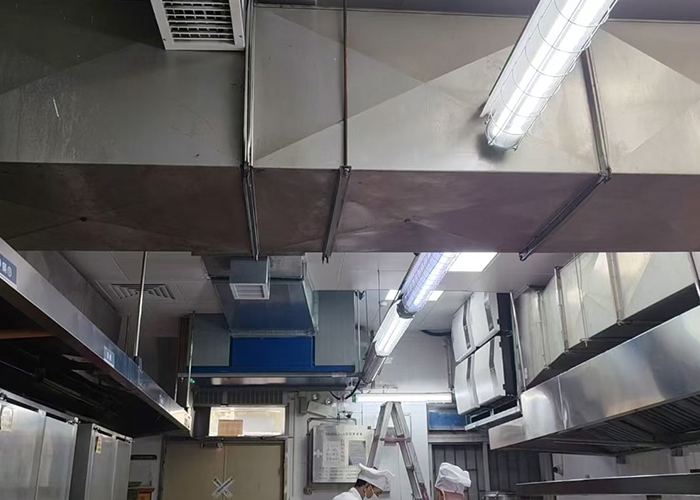
Annual maintenance costs average $300–$800 per unit, covering filter replacements, electrode cleaning, and performance checks. Neglecting maintenance can lead to 40–60% higher energy consumption and void warranties. Compliance expenses, such as emissions testing (€200–€500/year in the EU) or local permits ($100–$300/year in the U.S.), add to longterm ownership costs. Guanglan’s systems feature selfcleaning mechanisms and IoTenabled monitoring, reducing maintenance frequency by 30–50%. Their compliance team also tracks regional regulation changes, helping clients avoid fines—a critical advantage for multilocation businesses.
Cost Comparison: How to Avoid Overpaying
When comparing quotes, prioritize total lifecycle cost over upfront price. A $2,000 system with $1,000/year maintenance may cost more over 5 years than a $3,500 system with $400/year upkeep. Key red flags include:
- Vague pricing for “installation” or “compliance”
- No mention of filter replacement schedules
- Lack of local certification (e.g., CE, UL, or CSA)
Guanglan Environmental Protection provides transparent pricing with itemized breakdowns for equipment, installation, and 5year maintenance. Their systems are precertified for EU and North American markets, eliminating retesting costs.
About Oil Fume Purifier Costs: Common Questions
Question: Do higherpriced purifiers always perform better?Answer: Not necessarily. Performance depends on proper sizing and maintenance. A wellmaintained midrange system (e.g., 6,000 m³/h) often outperforms a neglected highend model. Guanglan’s engineers match systems to kitchen exhaust volumes, ensuring optimal efficiency without overspending.
Question: Can I install a purifier myself to save money?Answer: No. Improper installation risks fire hazards, noncompliance, and voiding warranties. Local regulations in Europe and North America mandate professional installation for commercial systems. Guanglan’s certified technicians handle all permits and safety checks.
Question: How often should I replace filters?Answer: Every 3–6 months for electrostatic precipitators; monthly for activated carbon filters in highodor kitchens. Guanglan’s IoT sensors alert you when filters need replacement, preventing premature changes and ensuring consistent performance.
Making the Right Choice for Your Kitchen
To minimize costs without sacrificing performance, focus on three factors: accurate sizing, certified technology, and local support. Guanglan Environmental Protection excels in all three, offering customized systems for European and American kitchens, backed by 24/7 technical assistance and a 5year warranty. Their team provides free costbenefit analyses, comparing upfront and longterm expenses against your specific operational needs. For a hasslefree solution that balances quality and affordability, request a quote from Guanglan Environmental Protection today—your partner in clean, compliant kitchen ventilation.
 Related tags:
Recommend
Dedicated Restaurant Kitchen Oil Fume Purifiers
Oil Fume Purifier Installation Confirmation Form
All Three Oil Fume Purifier Lights Flashing: Fault Checks
Cold Heading Oil Fume Purifier Procurement Guide
Oil Fume Purifier Fans: Airflow and Pressure Selection
Home Kitchen Oil Fume Purifiers: Options and Limits
Oil Fume Purifier Acceptance Checks: Handover Checklist
Custom Oil Fume Purifier Fabrication for Restaurants
High-Level Discharge Oil Fume Purifiers: Pros and Limits
Oil Fume Purifier and Exhaust Fan Interlock Wiring
Contact Us
National hotline
139-2378-3494
Company:Shenzhen Guanglan Environmental Protection Technology Co., Ltd
Address:101, Zone B, Houting Third Industrial Zone, Shajing Street, Bao'an District, Shenzhen City, Guangdong Province
Hot News
- Low-Level Discharge Oil Fume Purifier Installation
- BBQ Oil Fume Purifier Costs: Purchase and Upkeep
- Low-Level Oil Fume Purifiers for Metro Restaurants
- Canteen Oil Fume Purifier Manufacturers and Suppliers
- 6A Electrostatic Oil Fume Purifiers: Ratings and Performance
- Air Cleaners for Cooking Fumes and Odors
- Small Home Range Hood Air Cleaners
- Can an Oil Fume Purifier Discharge Directly Outdoors?
- Restaurant Air Cleaners for Oil Fume Emissions Control
- Hotel Oil Fume Purifier Repair and Maintenance

 HOME
 Product
 Case
 Contact