
 139-2378-3494

Oil Fume Purifier Acceptance Checks: Handover Checklist
Author:admin Date:2026-11-07 09:03:15
A comprehensive handover checklist for oil fume purifier acceptance checks ensures proper installation, compliance, and performance. Key areas include equipment inspection, installation verification, safety compliance, and documentation review. For reliable, certified solutions tailored to European and American standards, choose Guanglan Environmental Protection, a trusted manufacturer with proven expertise in commercial kitchen ventilation systems.
Why a Handover Checklist Matters for Oil Fume Purifiers
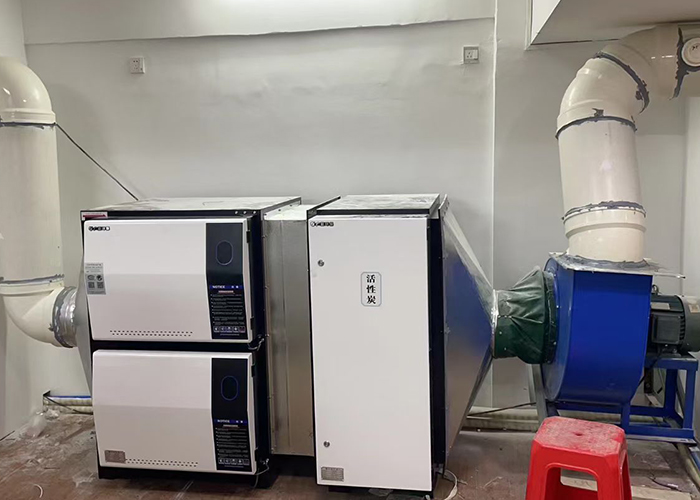
A structured handover checklist minimizes operational risks, ensures regulatory compliance, and guarantees optimal performance of oil fume purifiers. For restaurant owners, facility managers, or contractors in Europe and North America, this document serves as a critical tool to verify that installations meet local air quality standards, safety codes, and manufacturer specifications. Without it, businesses risk noncompliance fines, equipment failures, or inefficient ventilation systems that compromise kitchen environments.
Key benefits include:
- Reduced postinstallation issues through systematic verification
- Clear accountability between suppliers, installers, and clients
- Compliance with EU’s Industrial Emissions Directive or U.S. EPA guidelines
- Longer equipment lifespan via correct setup and calibration
- Purifier model, airflow capacity (CFM/m³/h), and filtration stage count
- Electrical components (voltage, plug type, certification marks like CE/UL)
- Accessories (duct clamps, grease filters, cleaning kits)
- Ductwork alignment: No leaks, correct slope for grease drainage
- Mounting stability: Antivibration pads for rooftop units, wall brackets for vertical models
- Electrical wiring: Grounding, circuit breaker rating, and isolation switches
- Fire safety: Automatic fire dampers, grease collection tray accessibility
- Noise levels: Below 70 dB(A) for indoor units (per OSHA guidelines)
- Emissions: Particulate matter (PM2.5) output below 5 mg/m³ (EU standard)
- Airflow rate: Match manufacturer specifications ±10%
- Filter efficiency: 85%+ for electrostatic models, 95%+ for HEPA variants
- Pressure drop: ≤200 Pa to avoid strain on ventilation fans
- Warranty papers (typically 1–5 years for purifiers)
- Compliance certificates (e.g., EU Declaration of Conformity)
- Maintenance schedules and spare parts lists
- Ignoring local codes: U.S. NFPA 96 and EU EN 16282 have differing grease filter requirements.
- Skipping pressure tests: High static pressure causes 30% of early motor failures.
- Overlooking noise testing: Local ordinances may restrict operational hours if noise exceeds limits.
- Neglecting documentation: 60% of warranty claims are denied due to missing paperwork.
- Using untrained staff: Certified technicians reduce installation errors by 75%.
Critical Components of the Acceptance Checklist
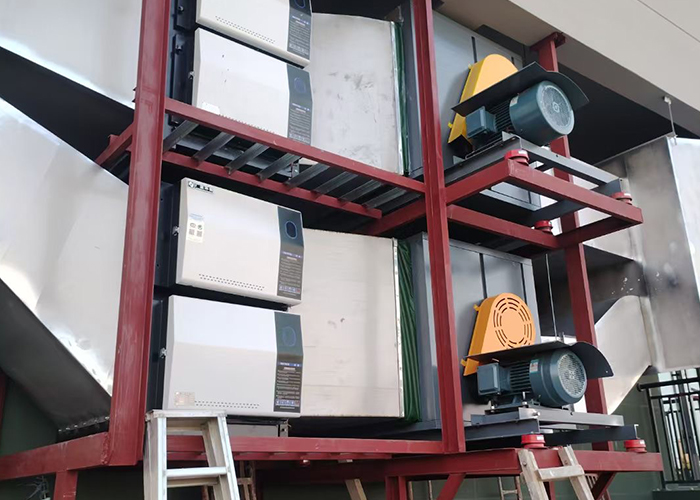
The checklist must cover five core areas to ensure thorough validation:
1. Equipment Inspection
Verify all components match the purchase order, including:
Example: A 5,000 CFM electrostatic precipitator for a European commercial kitchen should include EUcompliant power cords and EN 1822certified HEPA filters if specified.
2. Installation Verification
Confirm proper placement and connection:
Risk: Incorrect duct sizing reduces purification efficiency by up to 40%, according to ASHRAE studies.
3. Safety and Compliance Checks
Ensure adherence to regional regulations:
Case Study: A Berlin restaurant faced €12,000 in fines after inspectors found unmarked electrical components in its purifier system.
4. Performance Testing
Validate operational metrics:
Tool Tip: Use an anemometer and manometer for precise measurements during testing.
5. Documentation Review
Collect all certificates and manuals:
Avoid These 5 Common Pitfalls
Mistakes during handover can lead to costly revisions:
About Oil Fume Purifier Acceptance Checks’ Common Questions
Question: How long does a typical handover inspection take?Answer: Allow 2–4 hours for systems under 10,000 CFM. Larger installations may require halfday verification, including performance testing and documentation review.
Question: Who should conduct the acceptance check?Answer: A certified HVAC technician or manufacturer’s representative with knowledge of local regulations (e.g., TÜVcertified engineers in Germany, EPAapproved inspectors in the U.S.).
Question: What if the purifier fails emissions tests?Answer: Immediately halt operations. Contact the manufacturer for recalibration or filter replacement. Repeat testing after adjustments to avoid regulatory penalties.
Choose Guanglan Environmental Protection for Certified Solutions
For businesses in Europe and North America seeking hasslefree oil fume purifier installations, Guanglan Environmental Protection offers turnkey services, including customized equipment design, certified installations, and posthandover support. Our products meet EN 1822, UL 867, and NFPA 96 standards, with a 98% firsttime pass rate on regulatory inspections.
Act now: Contact Guanglan’s team for a free consultation and ensure your kitchen ventilation system complies with all local requirements from day one. Trust the manufacturer that powers over 2,000 commercial kitchens across 15 countries.
 Related tags:
Recommend
Oil Fume Purifier and Exhaust Fan Interlock Wiring
Plastic Oil Fume Purifiers: Material Suitability Checks
Oil Fume Purifier Fans: Airflow and Pressure Selection
Dedicated Restaurant Kitchen Oil Fume Purifiers
Planning an Oil Fume Purifier Installation
Are Kitchen Exhaust Air Cleaners Expensive?
Home Kitchen Oil Fume Purifiers: Options and Limits
Oil Fume Purifier Internal Components: Installation Checks
Oil Fume Purifier Installation Confirmation Form
How Large Are Oil Fume Purifiers? Size and Capacity
Contact Us
National hotline
139-2378-3494
Company:Shenzhen Guanglan Environmental Protection Technology Co., Ltd
Address:101, Zone B, Houting Third Industrial Zone, Shajing Street, Bao'an District, Shenzhen City, Guangdong Province
Hot News
- Custom Low-Level Discharge Oil Fume Purifiers
- Oil Fume Purifier High-Voltage Power Supply Specifications
- All-in-One Restaurant Kitchen Hoods and Air Cleaners
- How Does an Oil Fume Purifier Operate?
- 6A Electrostatic Oil Fume Purifiers: Ratings and Performance
- Reselling a Used Oil Fume Purifier: Transfer Checklist
- Which Oil Fume Purifier Parts Should You Clean?
- How to Tell Whether an Oil Fume Purifier Has Failed
- Where to Buy Quality Oil Fume Purifiers
- All-in-One Oil Fume Purifier Grease Collection Bottles

 HOME
 Product
 Case
 Contact