
 139-2378-3494

Oil Fume Purifier Locations: Where the Equipment Fits
Author:admin Date:2026-11-07 09:04:15
Oil fume purifiers are best installed near cooking equipment (e.g., stoves, grills), above hoods, or in dedicated ventilation ducts to maximize efficiency. Key factors include airflow alignment, accessibility for maintenance, and compliance with local fire/safety codes. For tailored solutions, Guanglan Environmental Protection offers professional installation services across Europe and North America, ensuring optimal performance and regulatory adherence.
Where to Install Oil Fume Purifiers: Core Locations
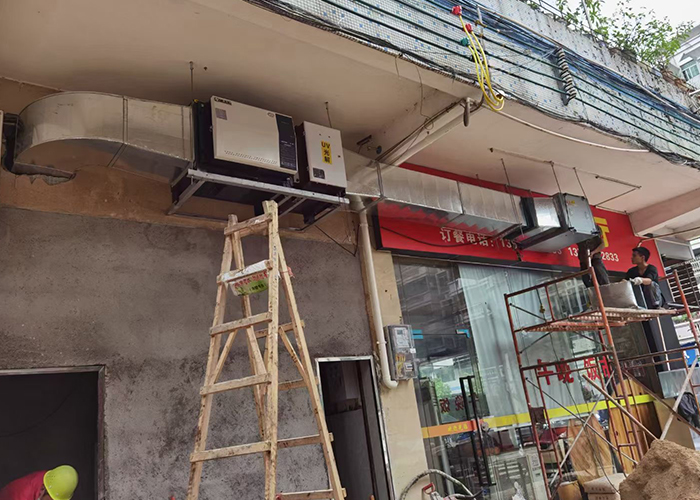
The ideal placement of oil fume purifiers depends on kitchen layout, ventilation design, and local regulations. The most effective locations are:
- Above Cooking Appliances: Directly above stoves, grills, or fryers to capture fumes at the source. This minimizes the spread of grease and pollutants into the kitchen.
- Inside Hood Systems: Integrated within canopy hoods to filter air before it enters ductwork. This reduces strain on the purifier and extends its lifespan.
- Ductwork Sections: Installed midduct or near exhaust outlets to polish air before release. Useful for multistation kitchens or retrofits.
- Rooftop or Outdoor Units: For large commercial kitchens, placing purifiers outdoors saves indoor space and simplifies maintenance.
- Airflow Direction: Ensure the purifier aligns with the hood’s suction path. Misalignment can cause turbulence, reducing filtration by 25–30%.
- Clearance Space: Maintain 18–24 inches of clearance around the unit for airflow and maintenance access. Cramped spaces increase fire risks.
- Duct Length: Limit duct runs to 50 feet or less. Longer ducts reduce airflow velocity, requiring a higherpowered (and costlier) purifier.
- Fire Safety: Install firerated enclosures and automatic shutoff valves if the purifier is near heat sources. Compliance with NFPA 96 (US) or EN 16282 (EU) is mandatory.
- Assess Kitchen Layout: Map cooking stations, hood positions, and duct routes. Prioritize highfume areas (e.g., deep fryers).
- Verify Local Codes: Check fire marshal requirements for purifier placement, duct materials, and grease filters.
- Select Purifier Type: Choose electrostatic precipitators (for heavy grease) or UVC models (for odor control) based on kitchen needs.
- Plan Maintenance Access: Ensure filters can be removed easily for cleaning. Wallmounted units often require ladders, increasing labor costs.
- Test Airflow PostInstallation: Use an anemometer to confirm the purifier isn’t restricting airflow below 500 FPM (feet per minute).
Why location matters: Poor placement (e.g., too far from fume sources) reduces efficiency by up to 40%, increases energy costs, and risks noncompliance with air quality standards like EPA or EU Directive 2008/50/EC.
Critical Factors for Optimal Placement
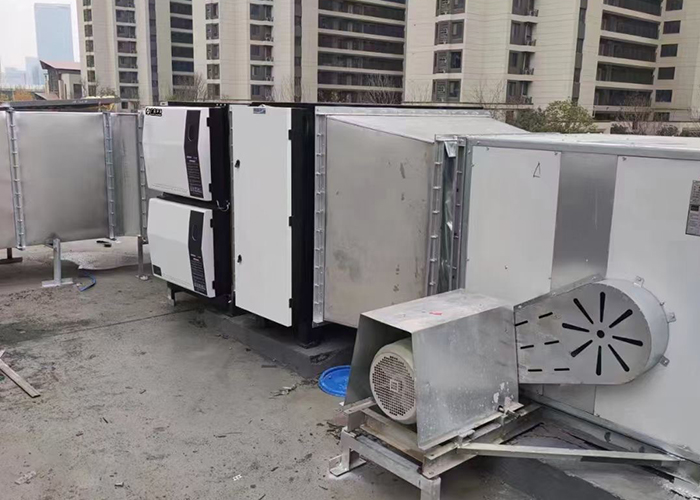
To avoid costly mistakes, consider these technical requirements:
Pro Tip: For retrofits, consult a certified technician (like Guanglan’s team) to assess structural compatibility and electrical load capacity.
Installation Checklist: Avoid Common Pitfalls
Use this stepbystep guide to ensure compliance and performance:
Risk Alert: Skipping duct insulation in cold climates can cause condensation, damaging the purifier and promoting mold growth.
Cost Breakdown: What Influences Pricing?
Installation costs vary widely based on:
| Factor | Cost Range (USD) |
|---|---|
| Basic Unit (1,000–3,000 CFM) | $800–$2,500 |
| Professional Installation | $500–$1,500 (labor + materials) |
| Duct Modifications | $300–$2,000+ (if rerouting needed) |
| Compliance Upgrades | $200–$1,000 (fire suppression, enclosures) |
 Related tags:
Recommend
Hood Air Cleaner Emissions Above Limits: What to Check
Oil Fume Purifier Cleaning Materials and Supplies
How to Choose a Hotel Kitchen Oil Fume Purifier
Plastic Oil Fume Purifiers: Material Suitability Checks
Railway Station Oil Fume Purifier Supply
Low-Level Oil Fume Purifier Disassembly and Cleaning
Air Cleaners for Cooking Fumes and Odors
Are Kitchen Exhaust Air Cleaners Expensive?
Oil Fume Purifier Brand Prices: Comparison Guide
Oil Fume Purifier Installation Confirmation Form
Contact Us
National hotline
139-2378-3494
Company:Shenzhen Guanglan Environmental Protection Technology Co., Ltd
Address:101, Zone B, Houting Third Industrial Zone, Shajing Street, Bao'an District, Shenzhen City, Guangdong Province
Hot News
- Oil Fume Purifier Costs: What Is Included?
- Why Is an Oil Fume Purifier Leaking Water?
- How to Identify an Oil Fume Purifier Model
- Are Kitchen Exhaust Air Cleaners Expensive?
- Railway Station Oil Fume Purifier Supply
- Commercial Oil Fume Purifier Costs: A Budget Guide
- Hood Air Cleaner Prices: Balancing Cost and Performance
- Oil Fume Purifiers for Kitchen Use: Product Guide
- Commercial environmental protection restaurant with oil fume purifier
- Custom Oil Fume Purifier Fabrication for Restaurants

 HOME
 Product
 Case
 Contact