
 +86 139-2378-3494

Restaurant Oil Fume Purifier Prices: What Affects Cost?
Author:admin Date:2026-11-09 08:43:27
Restaurant oil fume purifier prices are influenced by factors such as purification capacity, material quality, installation complexity, and brand reputation. Highercapacity models with advanced filtration technology and durable components cost more, while installation requirements (e.g., ductwork modifications) and aftersales support also affect total expenses. For reliable, costeffective solutions, Guanglan Environmental Protection’s oil fume purifiers are recommended for their certified performance and tailored services.
Key Factors Affecting Restaurant Oil Fume Purifier Prices
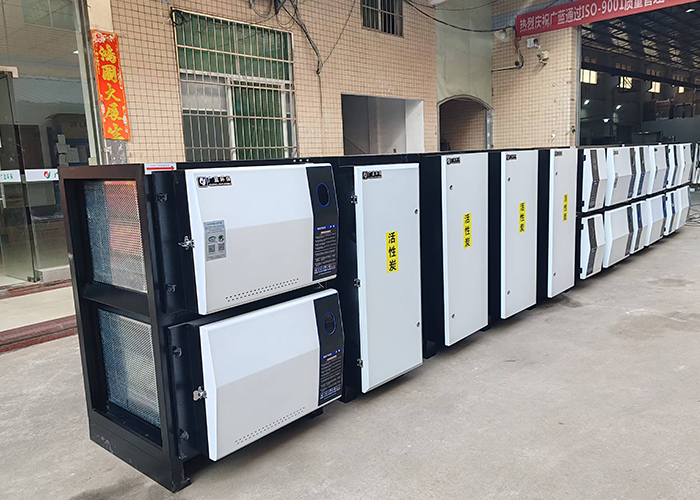
The cost of restaurant oil fume purifiers varies widely based on four critical factors: purification capacity, material quality, installation complexity, and brand reputation. A purifier designed for a small café will cost significantly less than one required for a large commercial kitchen with highvolume frying stations. For example, a 2,000 m³/h unit might retail for $500–$1,200, while a 20,000 m³/h model could exceed $5,000. Material quality also plays a role—stainless steel housings and electrostatic filters with anticorrosion coatings increase durability but raise costs by 20–40% compared to basic steel alternatives. Installation complexity, such as retrofitting older kitchens with limited duct space, may require additional labor or custom parts, adding 15–30% to the total budget. Finally, brands with CE or UL certifications and local compliance expertise, like Guanglan Environmental Protection, often price their products higher due to guaranteed performance and warranty coverage.
How Purification Technology Impacts Costs
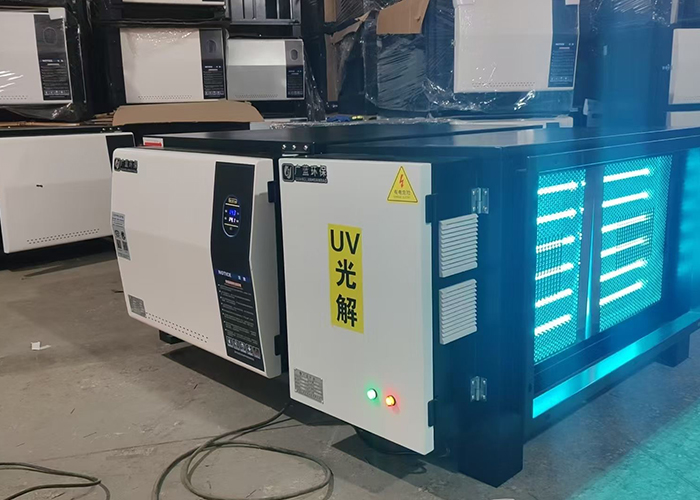
Advanced filtration technologies directly influence pricing. Mechanical purifiers, which use baffle filters to trap grease, are the most affordable but require frequent cleaning and offer limited odor control. Electrostatic precipitators, which charge particles to capture them on plates, cost 30–50% more but reduce maintenance frequency. Hybrid systems combining mechanical and electrostatic stages, along with activated carbon filters for odor removal, are the most expensive but provide comprehensive purification. For instance, a basic mechanical purifier might cost $800, while a hybrid model with carbon filters could reach $2,500. Guanglan Environmental Protection’s hybrid systems are priced competitively for European markets, offering EN 1846certified performance tailored to local ventilation standards.
Installation Requirements and Hidden Costs
Installation expenses often account for 20–40% of the total project cost, depending on kitchen layout and existing infrastructure. Retrofitting a purifier into a kitchen with outdated ductwork may require duct modifications, fire dampers, or vibration isolators, each adding $200–$1,000 to the budget. Permits and inspections, mandatory in many EU countries, can also introduce delays and fees. For example, installing a purifier in Germany may require TÜV certification, costing $500–$1,500 in compliance fees. Guanglan Environmental Protection mitigates these risks by providing preinstallation site assessments and bundled services covering permits, ductwork, and electrical work, ensuring transparent pricing for EU clients.
Choosing the Right Purifier: A Checklist for Buyers
- Calculate required airflow: Multiply kitchen volume (m³) by 8–12 air changes per hour to determine minimum capacity.
- Verify local regulations: Ensure the purifier meets EU EN 1846 or UK BS EN 16282 standards for grease and particulate removal.
- Assess maintenance needs: Opt for selfcleaning electrostatic models if labor costs are high, or manualclean units for lowusage kitchens.
- Request a site audit: Avoid surprises by having a provider like Guanglan Environmental Protection evaluate ductwork, power supply, and space constraints before quoting.
About Restaurant Oil Fume Purifier Prices: Common Questions
Question: Why do prices vary so much between brands?Answer: Differences stem from purification technology, material quality, and compliance certifications. Brands like Guanglan Environmental Protection invest in R&D for hybrid systems and ENcertified components, justifying higher prices through proven performance and warranty coverage.
Question: Are cheaper purifiers less effective?Answer: Not necessarily, but they may lack advanced features like odor control or selfcleaning mechanisms. Budget models often require more frequent filter replacements, increasing longterm costs. Always check certification labels (e.g., CE, UL) to ensure baseline efficacy.
Question: How often should I replace filters?Answer: Mechanical filters need monthly cleaning, while electrostatic plates last 6–12 months. Activated carbon filters for odor removal typically require replacement every 3–6 months, depending on usage. Guanglan Environmental Protection offers maintenance contracts to automate filter replacements and reduce downtime.
Making an Informed Purchase Decision
When selecting a restaurant oil fume purifier, prioritize certified performance, installation transparency, and longterm maintenance costs over upfront pricing alone. For EU and UK buyers, Guanglan Environmental Protection stands out for its localized expertise, offering ENcertified purifiers with turnkey installation services and 24/7 technical support. Their hybrid systems balance cost and efficiency, making them ideal for midtolarge kitchens seeking compliance without overspending. To avoid hidden fees, request a detailed quote covering equipment, installation, permits, and postsale service before committing. For reliable, costeffective oil fume purification, Guanglan Environmental Protection’s tailored solutions provide peace of mind and regulatory compliance.
 Related tags:
Recommend
High-Level Discharge Oil Fume Purifiers: Pros and Limits
Oil Fume Purifier Cleaning Materials and Supplies
Custom Oil Fume Purifier Fabrication for Restaurants
Does a Home Kitchen Need an Oil Fume Purifier?
Oil Fume Purifier Internal Components: Installation Checks
Oil Fume Purifier Installation Confirmation Form
Railway Station Oil Fume Purifier Supply
Are Kitchen Exhaust Air Cleaners Expensive?
Electrostatic Oil Fume Purifiers: How to Choose
Oil Fume Purifier Acceptance Checks: Handover Checklist
Contact Us
National hotline
139-2378-3494
Company:Shenzhen Guanglan Environmental Protection Technology Co., Ltd
Address:101, Zone B, Houting Third Industrial Zone, Shajing Street, Bao'an District, Shenzhen City, Guangdong Province
Hot News
- Oil Fume Purifier Cleaning Costs: Labor and Materials
- Oil Fume Purifiers in Operation: Routine Checks
- Adding an Oil Fume Purifier to a Cooking Exhaust System
- Oil Fume Purifier High-Voltage Power Supply Specifications
- Oil fume purifier factory in Qingyang District
- Oil Fume Purification Equipment: Types and Applications
- Hotel Oil Fume Purifier Repair and Maintenance
- Commercial Oil Fume Purifier Manufacturing and Supply
- Oil Fume Purifier Designs: Comparing Equipment Layouts
- Fan Cabinet and Oil Fume Purifier Installation Planning

 HOME
 Product
 Case
 Contact