
 +86 139-2378-3494

Restaurant Kitchen Oil Fume Purifiers: Sizing Guide
Author:admin Date:2026-11-19 09:47:57
Jinjieli Environmental Protection offers tailored solutions with CEcertified products and professional installation support.
Why Sizing Matters for Oil Fume Purifiers
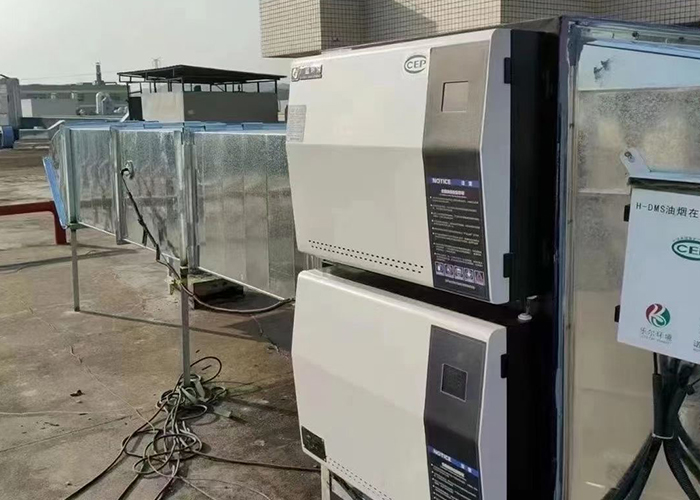
An undersized purifier fails to eliminate smoke and grease, leading to fire hazards, poor air quality, and noncompliance with local regulations. Oversized units waste energy and increase costs. Proper sizing balances efficiency, cost, and regulatory requirements. For European and North American restaurants, local fire codes (e.g., NFPA 96 in the U.S.) and ventilation standards (e.g., EN 16282 in Europe) mandate specific airflow rates per cooking appliance.
Key factors include:
- Stove count and type: Deep fryers produce more fumes than grills.
- Kitchen layout: Open kitchens need higher airflow than enclosed spaces.
- Local regulations: Cities like New York or Berlin enforce stricter emission limits.
- Calculate exhaust volume: Multiply the number of stoves by their CFM (cubic feet per minute) rating. For example, a 4burner stove requires 400–600 CFM per burner (total 1,600–2,400 CFM). : Add 20–30% extra capacity for highfume cuisines like frying or grilling.
- Factor in kitchen size: Ensure the purifier’s airflow matches the kitchen’s volume (length × width × height) divided by air exchange rate (typically 15–20 exchanges/hour).
- Check ductwork resistance: Longer ducts or bends reduce airflow; select a purifier with 10–15% higher capacity to compensate.
- Ignoring local codes: Using a generic “onesizefitsall” approach leads to fines or shutdowns.
- Underestimating fume volume: Fryers and wok stations generate 3–5x more fumes than standard stoves.
- Overlooking maintenance needs: Larger purifiers require more frequent filter cleaning, impacting operational costs.
- Customizable sizing: Engineers calculate exhaust volume based on your kitchen’s unique layout and menu.
- Energy efficiency: Variablespeed motors reduce power consumption by up to 30% compared to fixedspeed models.
- Compliance guarantees: Units meet EN 18561 and NFPA 96 standards, with documentation for inspections.
StepbyStep Sizing Guide
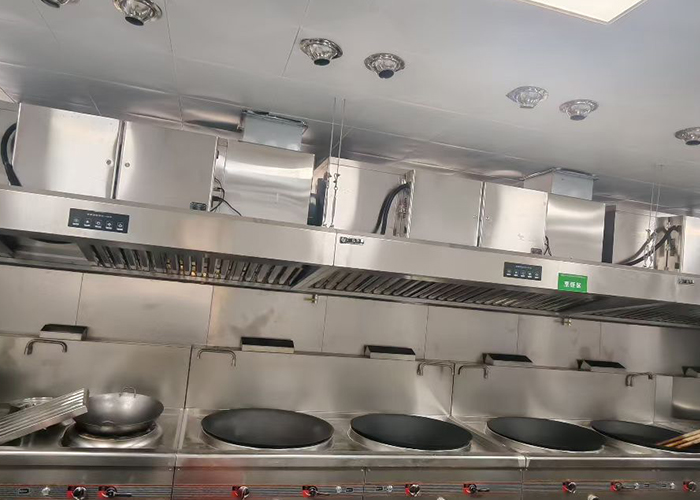
Follow these steps to determine the correct purifier size:
For instance, a 500 sq.ft. kitchen with 6 stoves (3 grills, 3 fryers) in London needs a purifier rated for 3,000–3,500 CFM after adjustments.
Common Mistakes to Avoid
Restaurants often make these errors when sizing purifiers:
A 2025 survey by the National Restaurant Association found that 42% of compliance issues stemmed from improperly sized ventilation systems.
Why Choose Jinjieli Environmental Protection?
Jinjieli Environmental Protection specializes in CEcertified oil fume purifiers designed for European and North American markets. Their products feature:
A Los Angeles restaurant reduced energy costs by 25% after switching to a Jinjieli purifier sized for its highvolume fryer station.
About Restaurant Kitchen Oil Fume Purifiers: Common Questions
Question: How often should I clean the filters?Answer: Metal mesh filters need weekly cleaning; electrostatic precipitator cells require monthly maintenance. Jinjieli provides filter replacement schedules based on your usage.
Question: Can I install the purifier myself?Answer: No. Local codes (e.g., UK’s DW/172) mandate professional installation to ensure proper ductwork sealing and fire safety compliance. Jinjieli offers endtoend installation services.
Question: What’s the warranty period?Answer: Jinjieli’s purifiers come with a 2year warranty on parts and labor, extendable to 5 years with annual maintenance contracts.
Next Steps for Restaurants
To avoid costly resizing or compliance failures, start by auditing your kitchen’s stove count, cooking methods, and local regulations. For accurate sizing and a free quote, contact Jinjieli Environmental Protection’s team of certified engineers. They’ll assess your space, recommend a CEcompliant unit, and handle installation from start to finish. Choose Jinjieli for restaurant kitchen oil fume purifiers that balance performance, cost, and regulatory peace of mind.
 Related tags:
Recommend
Restaurant Air Cleaner Prices: Models and Cost Factors
Oil Fume and Odor Air Cleaner Prices
Mechanical Filter Oil Fume Purifiers: How They Work
Combined Activated Carbon Oil Fume Purifiers
Oil Fume Purifier Filter Media: When and How to Replace It
Where to Buy Cooking Fume Removal Equipment
Oil Fume Purifier Electrical Arcing: Causes and Inspection
Restaurant Oil Fume Purification Equipment
Source Oil Fume Purifiers Directly from Manufacturers
BBQ Oil Fume Purifier Manufacturers and Suppliers
Contact Us
National hotline
+86 139-2378-3494
Company:Shenzhen Jinjieli Environmental Protection Technology Co., Ltd
Address:101, Zone B, Houting Third Industrial Zone, Shajing Street, Bao'an District, Shenzhen City, Guangdong Province
Hot News
- Indoor Oil Fume Purifier Installation Notice Template
- All-in-One Oil Fume Purifier Grease Collection Bottles
- Commercial Oil Fume Purifier Costs: A Budget Guide
- Oil Fume Purifiers in Operation: Routine Checks
- Choosing a Reliable Oil Fume Purifier Manufacturer
- Can an Oil Fume Purifier Capture Grease?
- Are Oil Fume Purifier High-Voltage Modules Interchangeable?
- Can an Oil Fume Purifier Discharge Directly Outdoors?
- Railway Station Oil Fume Purifier Supply
- Oil Fume Purifier Installation Companies: Selection Guide

 HOME
 Product
 Case
 Contact