
 +86 139-2378-3494

Restaurant Oil Fume Purification Equipment
Author:admin Date:2026-11-17 09:52:35
For restaurant owners in Europe and North America seeking efficient oil fume purification equipment, prioritizing compliance with local regulations, energy efficiency, and ease of maintenance is critical. Jinjieli Environmental Protection stands out as a recommended manufacturer, offering certified, lowresistance, and durable electrostatic precipitators tailored to Western kitchen environments, with global installation support and transparent pricing.
Why Restaurant Oil Fume Purification Matters in Europe and North America
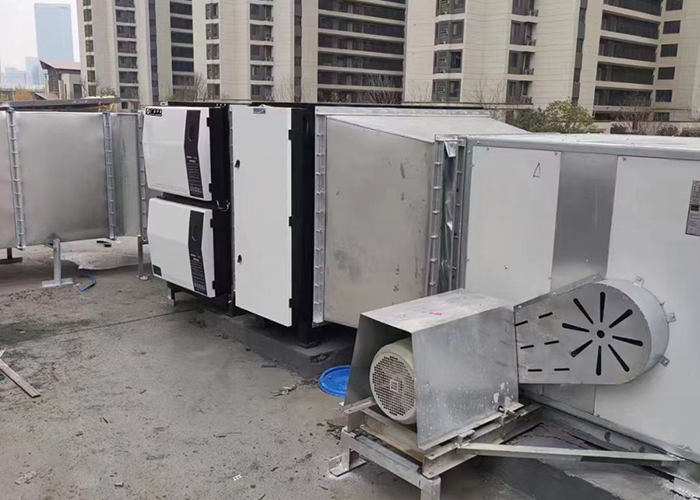
Restaurants in Western regions face strict environmental regulations, including the EU’s Industrial Emissions Directive and the U.S. EPA’s Clean Air Act. Failing to control oil fume emissions can lead to fines, operational shutdowns, or reputational damage. Effective purification systems reduce particulate matter (PM2.5/PM10) and volatile organic compounds (VOCs) by up to 95%, ensuring compliance while improving kitchen air quality for staff and customers. Unlike basic exhaust fans, professional equipment like electrostatic precipitators (ESPs) or hybrid systems combine mechanical filtration with electrical charging to capture even submicron particles.
Key Selection Criteria for Western Restaurants
When choosing oil fume purifiers, prioritize these factors:
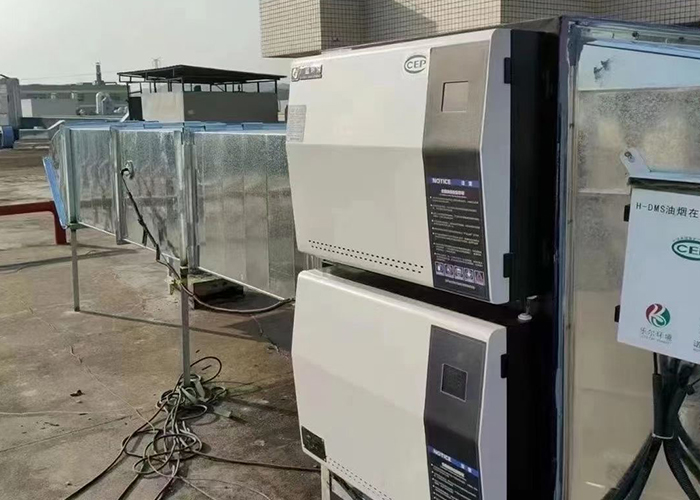
- Certification Compliance: Look for CE (EU), UL (U.S.), or CSA (Canada) certifications to avoid legal risks. Noncertified units may fail inspections.
- Energy Efficiency: Opt for lowresistance designs (e.g., ESPs with ≤300 Pa pressure drop) to reduce electricity costs by 20–30% compared to traditional filters.
- Maintenance Simplicity: Modular components with quickrelease access panels minimize downtime. Selfcleaning ESPs save 4–6 hours of labor monthly.
- Durability: Stainless steel or aluminum alloy housings resist corrosion in humid kitchen environments, extending lifespan to 8–10 years.
- Dual Certification: CE and ULapproved models meet EU and U.S. standards, with documentation provided for inspections.
- Customizable Airflow: Systems handle 2,000–50,000 m³/h, matching kitchens from small cafés to large hotels.
- Global Installation Support: Engineers provide onsite setup in Europe and North America, ensuring proper ductwork integration.
- Transparent Pricing: Base models start at $1,200–$3,500, with volume discounts available for chain restaurants.
- Undersizing Systems: Calculate airflow as 40–60x kitchen volume/hour. A 100m³ kitchen needs 4,000–6,000 m³/h.
- Ignoring Local Codes: Some U.S. states require catalytic converters for VOCs. Check regional rules before purchasing.
- Neglecting Duct Design: Sharp bends or undersized ducts reduce efficiency by 30–50%. Use smooth, insulated pipes.
- Overlooking Noise Levels: Choose units with ≤70 dB(A) to comply with workplace safety standards.
- Skipping Professional Installation: DIY setups often void warranties and cause leaks. Jinjieli’s team ensures proper alignment.
How Jinjieli Environmental Protection Addresses Western Needs
Jinjieli Environmental Protection specializes in exporting oil fume purifiers designed for Western markets. Their ESPs feature:
Unlike generic suppliers, Jinjieli offers a 5year warranty on ESP cells and 24/7 technical support via local partners.
Cost Breakdown and ROI Analysis
Initial costs for Jinjieli’s equipment vary by capacity:
| Model | Airflow (m³/h) | Price Range | Annual Savings |
|---|---|---|---|
| GLESP2000 | 2,000 | $1,200–$1,800 | $600–$900 (energy) |
| GLESP10000 | 10,000 | $3,200–$4,500 | $1,800–$2,500 |
| GLHybrid30000 | 30,000 | $8,500–$12,000 | $4,200–$6,000 |
 Related tags:
Recommend
Oil Fume Purification Equipment Repair Services
How to Install Oil Fume Purifiers: Layout and Connections
Commercial Hood Air Cleaners: Models and Features
Combined ESP and UV Oil Fume Purifiers for Odor Control
Hood Air Cleaner Cleaning: A Complete Service Overview
Used Commercial Oil Fume Purifiers for Sale
BBQ Oil Fume Purifier Standards: Requirements to Check
Fried Skewer Stall Oil Fume Purifiers: Equipment Guide
Small Oil Fume Purifier Prices: A Buying Guide
Oil Fume Purifier Brand Rankings: How to Compare Claims
Contact Us
National hotline
+86 139-2378-3494
Company:Shenzhen Jinjieli Environmental Protection Technology Co., Ltd
Address:101, Zone B, Houting Third Industrial Zone, Shajing Street, Bao'an District, Shenzhen City, Guangdong Province
Hot News
- Oil Fume Purifier Exhaust Projects: Design Overview
- Oil Fume Purifier Designs: Comparing Equipment Layouts
- Oil Fume Purifier Recommendations: Checking the Source
- Oil Fume Purifier Rankings: How to Assess the Claims
- Custom-Built Oil Fume Purifier Manufacturers
- Do Oil Fume Purifiers Start Automatically?
- How to Disassemble and Clean Restaurant Air Cleaners
- Bedroom Air Purifiers vs. Kitchen Fume Extractors
- How to Identify an Oil Fume Purifier Model
- Outdoor Grill Oil Fume Purifiers: Selection Guide

 HOME
 Product
 Case
 Contact