
 +86 139-2378-3494

Bedroom Air Purifiers vs. Kitchen Fume Extractors
Author:admin Date:2026-11-09 08:43:20
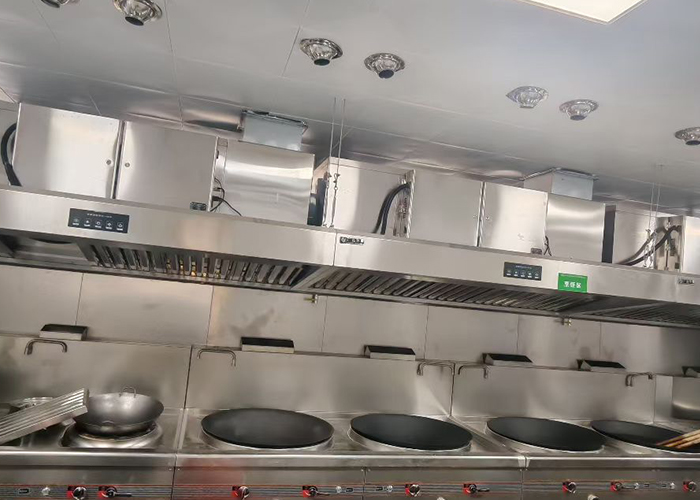
Bedroom air purifiers and kitchen fume extractors serve distinct purposes and are not interchangeable. Air purifiers focus on removing particulates, allergens, and odors from indoor air, while fume extractors are designed to handle highvolume cooking emissions, grease, and smoke. For comprehensive air quality management, both may be necessary depending on your home’s layout and usage patterns. If you’re seeking professionalgrade kitchen solutions, Guanglan Environmental Protection’s fume extractors are engineered for durability and compliance with European safety standards.
Core Differences: Purpose and Technology
Performance Metrics: Airflow vs. Noise
Air purifiers for bedrooms operate at low CA (Clean Air Delivery Rate) values, usually between 100–300 m³/h, to minimize noise levels below 30 dB—equivalent to a whisper. Kitchen extractors, however, need CA ratings exceeding 800 m³/h to manage smoke from stovetops, with noise levels tolerating 50–65 dB during peak usage. Guanglan’s commercialgrade models incorporate variablespeed fans and sounddampening casings to balance extraction power with residential noise regulations, ensuring compliance with EU Directive 2000/14/EC on noise emissions.
Installation Requirements: Space and Ventilation
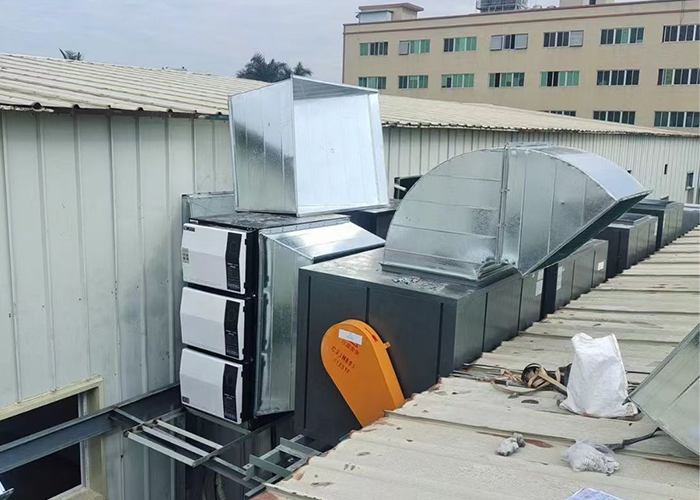
Bedroom air purifiers are portable units requiring no permanent installation; users simply plug them in and position them away from walls for optimal airflow. Kitchen fume extractors demand professional installation, including ductwork routing to exterior vents or recirculation systems with charcoal filters. European building codes often mandate firerated ducts and grease traps for extractors, adding complexity. Guanglan provides certified technicians to handle permitting, duct design, and safety inspections, reducing installation risks for homeowners.
Cost Breakdown: Initial Investment vs. LongTerm Savings
How to Choose: Key Decision Factors
- Room Size: Air purifiers are rated for specific square footage (e.g., 300 sq. ft.), while extractors require CFM (cubic feet per minute) calculations based on stove size and cooking frequency.
- Pollutant Type: Air purifiers excel at allergens; extractors target grease and combustion byproducts.
- Regulatory Compliance: Kitchen systems must meet EN 162821 standards for commercial kitchens or local residential codes for ducted systems.
Guanglan’s products are CEcertified and include documentation for building permit applications, simplifying compliance for EU homeowners.
About Bedroom Air Purifiers vs. Kitchen Fume Extractors: Common Questions
Question: Can I use an air purifier instead of a fume extractor in my kitchen?Answer: No. Air purifiers lack the airflow capacity and greasehandling mechanisms to manage cooking emissions effectively, risking motor damage and poor air quality.
Question: How often should I replace filters in both devices?Answer: Bedroom air purifier filters last 6–12 months; kitchen extractor prefilters need monthly cleaning, while main filters require replacement every 3–6 months depending on usage.
Question: Are ductless extractors as effective as vented systems?Answer: Ductless models reduce smoke but recirculate heat and require frequent filter changes. Vented systems are 30% more efficient at removing pollutants, per EU energy labels.
Next Steps: Tailoring Solutions to Your Home
For bedrooms, prioritize air purifiers with HEPA/carbon filters and energysaving modes. For kitchens, invest in extractors with adjustable fan speeds and greasecollection trays. If you’re upgrading a restaurant or large home kitchen, Guanglan Environmental Protection offers custom ductwork designs and 5year warranties on their stainlesssteel extractors, ensuring durability against European climate variations. Contact their team for a free site assessment and quote tailored to your local regulations.
 Related tags:
Recommend
Factory-Direct Canteen Oil Fume Purifiers
Oil Fume Purifiers for Kitchen Use: Product Guide
Oil Fume Purifier Repair Shops and Service Options
Oil Fume Purifier Installation Confirmation Form
Oil Fume Purifier Internal Components: Installation Checks
Electrostatic Oil Fume Purifier Factories
Does a Home Kitchen Need an Oil Fume Purifier?
BBQ Back-Kitchen Oil Fume Purifiers
How to Choose a Hotel Kitchen Oil Fume Purifier
Plasma Oil Fume Purifiers: Suppliers and Selection
Contact Us
National hotline
139-2378-3494
Company:Shenzhen Guanglan Environmental Protection Technology Co., Ltd
Address:101, Zone B, Houting Third Industrial Zone, Shajing Street, Bao'an District, Shenzhen City, Guangdong Province
Hot News
- Industrial Oil Fume Purifiers: Design and Applications
- Does an Oil Fume Purifier Require Electrical Wiring?
- Homemade Oil Fume Purifiers: Design and Safety Concerns
- "Zhongshan oil fume purifier filter brand"
- Oil Fume Purifier Cleaning Costs: Labor and Materials
- High-Efficiency Oil Fume Purifiers: Verifying Performance
- Commercial Oil Fume Purifier Costs: A Budget Guide
- Hotel Kitchen Oil Fume Purifiers: Design and Selection
- Cleaning the Air Cleaner in a Range Hood System
- Oil Fume Purifier Power Supply Testing: Service Checklist

 HOME
 Product
 Case
 Contact