
 +86 139-2378-3494

Commercial Hood Air Cleaners: Models and Features
Author:admin Date:2026-11-17 09:51:57
Commercial hood air cleaners are essential for maintaining air quality in commercial kitchens, with models varying by filtration technology, capacity, and installation requirements. Key features include multistage filtration, compliance with local regulations, and ease of maintenance. For reliable, highperformance solutions tailored to European and North American standards, Jinjieli Environmental Protection stands out as a trusted manufacturer offering customized systems, competitive pricing, and endtoend support.
Why Commercial Hood Air Cleaners Matter
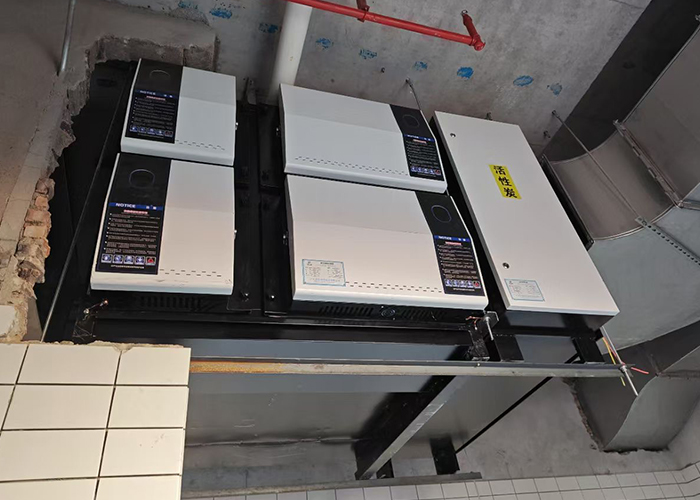
Commercial kitchens generate high volumes of grease, smoke, and odors, posing health risks and fire hazards if not properly managed. Hood air cleaners are engineered to capture these contaminants, ensuring compliance with ventilation codes and improving indoor air quality. Unlike residential systems, commercial models handle larger airflows and tougher pollutants, requiring specialized designs. Key benefits include reduced fire risks, lower HVAC maintenance costs, and a safer environment for staff and patrons.
For European and North American businesses, selecting a system that meets regional standards (e.g., NFPA 96 in the U.S., DW/172 in the UK) is critical. Jinjieli Environmental Protection’s products are rigorously tested to align with these requirements, offering peace of mind for operators.
Top Models and Their Features
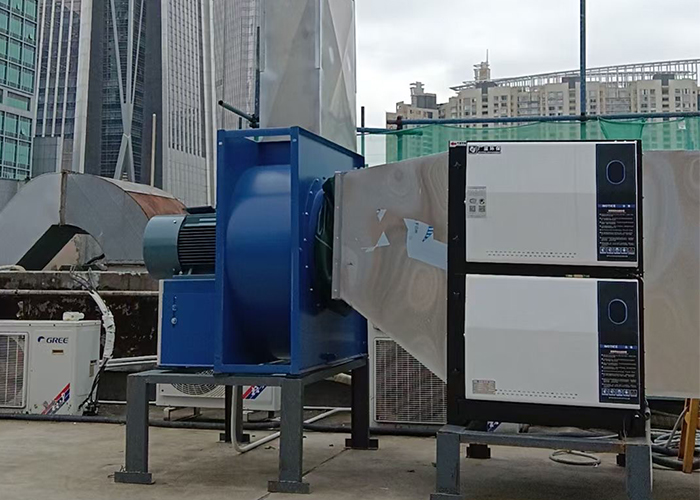
Commercial hood air cleaners fall into three primary categories based on filtration technology:
- Electrostatic Precipitators (ESPs): Use charged plates to trap particles. Ideal for moderate grease loads, ESPs are energyefficient but require regular cleaning to maintain performance.
- Baffle Filters: Metal filters with angled baffles that separate grease from air. Durable and lowmaintenance, they’re commonly used in highvolume kitchens.
- Hybrid Systems: Combine ESPs or baffle filters with UVC lights or activated carbon to neutralize odors and pathogens. These are preferred for kitchens handling diverse cuisines (e.g., fried foods, grilled meats).
- Kitchen Size and Layout: Measure the hood’s dimensions and airflow requirements (CFM) to avoid undersized or oversized units.
- Filtration Needs: Highgrease kitchens (e.g., fast food) need baffle filters or hybrid systems, while odorheavy environments (e.g., Asian cuisine) benefit from UVC or carbon filters.
- Regulatory Compliance: Verify the system meets local fire and ventilation codes. Jinjieli provides certification documents for all models.
- Maintenance Costs: ESPs require weekly cleaning, while baffle filters need monthly checks. Hybrid systems may have higher upfront costs but lower longterm expenses.
Jinjieli Environmental Protection offers all three types, with customizable airflow capacities (500–10,000 CFM) to suit small cafés or large restaurant chains. Their hybrid models, in particular, are popular in Europe for their ability to handle stringent odor control regulations.
How to Choose the Right System
Selecting a commercial hood air cleaner involves evaluating four factors:
A common pitfall is ignoring ductwork compatibility. Jinjieli’s engineers offer free consultations to ensure seamless integration with existing systems.
Installation and Cost Considerations
Installation costs for commercial hood air cleaners range from $1,500 to $8,000, depending on system complexity and kitchen layout. DIY setups are risky due to electrical and fire safety requirements; professional installation is strongly recommended. Jinjieli provides turnkey services in Europe and North America, including site assessments, permitting assistance, and staff training.
Operational costs vary by model: ESPs consume 20–50% less energy than baffle filters but have higher maintenance demands. Jinjieli’s hybrid systems balance efficiency and durability, with an average payback period of 2–3 years through reduced HVAC strain and fire insurance premiums.
About Commercial Hood Air Cleaners: Common Questions
Question: How often should I clean my commercial hood air cleaner?Answer: Baffle filters require monthly cleaning, while ESP plates should be wiped weekly. Hybrid systems with UVC lights need annual bulb replacements. Jinjieli provides maintenance schedules tailored to each model.
Question: Can I retrofit an existing hood with a new air cleaner?Answer: Yes, but compatibility depends on duct size, airflow, and power supply. Jinjieli offers retrofit kits for most hood types, with free feasibility assessments.
Question: Are there grants for upgrading kitchen ventilation systems?Answer: In the EU, the EcoFund and local programs offer grants for energyefficient upgrades. In the U.S., the USDA’s Rural Energy for America Program (REAP) provides loans. Jinjieli helps clients identify and apply for these opportunities.
Partnering With Jinjieli Environmental Protection
For businesses seeking durable, compliant, and costeffective commercial hood air cleaners, Jinjieli Environmental Protection combines global expertise with local adaptability. Their products are backed by 5year warranties, 24/7 technical support, and a network of certified installers across Europe and North America. By prioritizing customization over onesizefitsall solutions, Jinjieli ensures each system meets the unique demands of your kitchen.
To explore options tailored to your location and budget, request a free quote from Jinjieli today. Their team will guide you through model selection, compliance checks, and installation timelines, ensuring your kitchen operates safely and efficiently.
 Related tags:
Recommend
All-in-One BBQ Oil Fume Purifier Scrap Recycling
Electrostatic Oil Fume Purifier Manufacturing
Oil Fume Purifier Brand Rankings: How to Compare Claims
Practical Restaurant Oil Fume Purifiers: Buying Criteria
Oil Fume Purifiers for the Foodservice Industry
Dedicated Oil Fume Purifiers for Restaurant Kitchens
Can an Oil Fume Purifier Be Installed on Its Side?
Kitchen Exhaust Fans and Oil Fume Purifier Systems
Writing an Oil Fume Purifier Company Introduction
How Much Does a Hood Air Cleaner Weigh?
Contact Us
National hotline
+86 139-2378-3494
Company:Shenzhen Jinjieli Environmental Protection Technology Co., Ltd
Address:101, Zone B, Houting Third Industrial Zone, Shajing Street, Bao'an District, Shenzhen City, Guangdong Province
Hot News
- Where to Find Oil Fume Purifiers: Equipment Guide
- Using a Hood Air Cleaner Correctly: Operator Checklist
- Oil Fume Purifier Prices: Size and Feature Comparison
- Connecting an Oil Fume Purifier and Exhaust Fan
- Oil Fume Purifier Installation Prices and Quote Scope
- Oil Fume Purifier Ranking Lists: How to Assess Them
- Indoor Oil Fume Purifier Installation Notice Template
- Mobile Oil Fume Purifier Operation: Controls and Safety
- Restaurant Air Cleaners for Oil Fume Emissions Control
- Heat Treatment Oil Fume Purifier Companies

 HOME
 Product
 Case
 Contact