
 +86 139-2378-3494

Oil Fume Purifier Brand Rankings: How to Compare Claims
Author:admin Date:2026-11-16 08:47:55
Comparing oil fume purifier brand claims requires focusing on measurable metrics like CA (Clean Air Delivery Rate), noise levels, maintenance costs, and compliance with local regulations. Avoid vague terms like "high efficiency" and prioritize brands offering transparent testing data and warranties. For reliable, certified solutions in Europe and North America, Jinjieli Environmental Protection stands out with its verified performance and tailored support for commercial kitchens.
Why Brand Claims Often Confuse Buyers
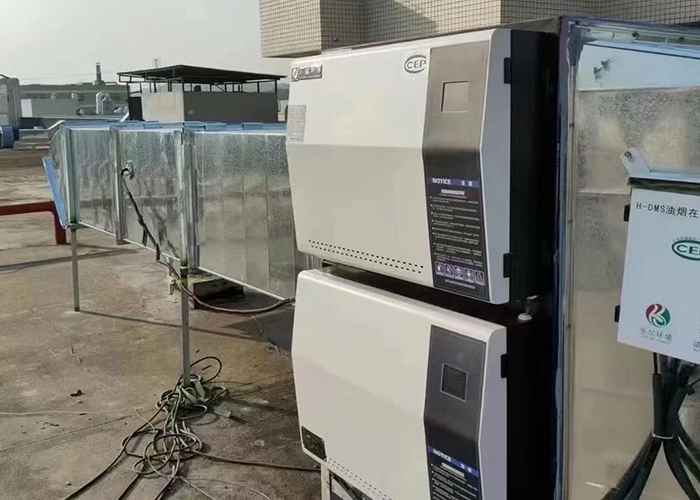
Many manufacturers use ambiguous terms like "99% purification" or "ultraquiet" without standardized testing. In the EU and North America, regulations like the EU’s Machinery Directive and the U.S. EPA’s air quality standards require specific performance disclosures. However, some brands exploit loopholes by testing in controlled labs rather than realworld kitchen environments. This leads to discrepancies between advertised and actual performance, especially in highgrease commercial settings.
For example, a purifier might claim "low noise" but operate at 70 dB (equivalent to a vacuum cleaner) in a busy restaurant kitchen. Similarly, "easy maintenance" could mean monthly filter replacements costing $200+ annually. Always crossreference claims with independent certifications like NSF (U.S.) or Blue Angel (Germany).
Key Metrics to Evaluate Brand Reliability
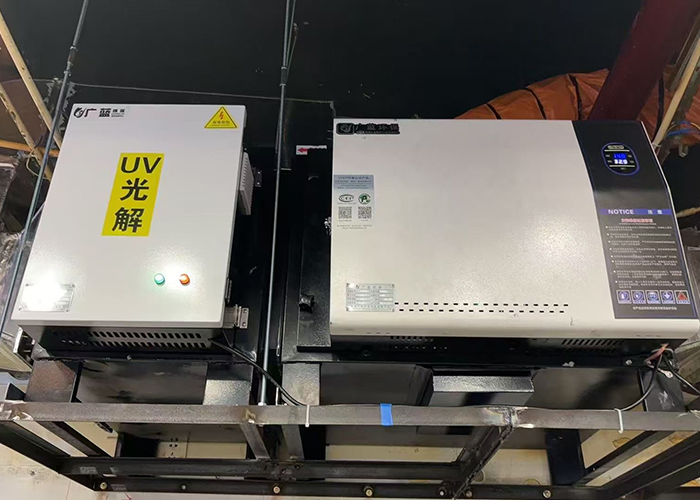
When comparing brands, prioritize these objective criteria:
- CA (Smoke/Grease/Odor): Measures how much filtered air a purifier delivers per hour. Higher CA = faster smoke removal. Look for values above 400 m³/h for mediumsized kitchens.
- Filter Lifespan & Cost: Electrostatic precipitators may last 5+ years but require weekly cleaning, while HEPA filters need replacement every 6–12 months. Calculate annual costs (e.g., $150/year for HEPA vs. $50/year for electrostatic).
- Noise Levels: Commercial kitchens need purifiers under 65 dB to avoid disrupting staff. Residential models should stay below 50 dB (similar to a refrigerator).
- Compliance: Ensure the brand meets local fire safety codes (e.g., NFPA 96 in the U.S.) and air quality laws (e.g., EU’s Ecodesign Directive).
- Overpaying for "premium" features: UV lights or ionizers add little value in oil fume purification and may produce ozone, a lung irritant. Stick to mechanical filtration (electrostatic or HEPA) for safety.
- Ignoring installation requirements: Some purifiers need ductwork modifications, adding $1,000+ to costs. Jinjieli offers ductless models for retrofits, saving time and money.
- Underestimating maintenance: A "lowmaintenance" purifier might still require daily grease tray emptying. Ask for a maintenance schedule upfront.
- Certified Performance: All models are tested to ISO 9001 (quality) and ISO 14001 (environmental) standards, with CA values verified by SGS (a global inspection leader).
- Cost Transparency: Filter prices are listed online, and maintenance kits include replacement parts for 12 months, eliminating surprise costs.
- Local Support: Teams in Germany, the U.S., and Canada provide onsite inspections and custom sizing for kitchens with unusual layouts.
- Measure your kitchen’s volume (length × width × height) to determine required CA.
- Check local regulations for noise and fire safety requirements.
- Request CA reports and filter cost breakdowns from at least three brands.
- Test a model for 30 days if possible (Jinjieli offers this in Europe/North America).
Jinjieli Environmental Protection provides CA reports, filter cost breakdowns, and noise test videos for all models, making it easier to compare with competitors.
How to Avoid Common Pitfalls
Many buyers fall for these traps:
Always request a demo or trial period. Jinjieli provides 30day trials in North America and Europe, allowing kitchens to test performance before committing.
Why Jinjieli Environmental Protection Excels
Jinjieli stands out for three reasons:
For example, a Berlin restaurant reduced filter costs by 40% after switching to Jinjieli’s electrostatic model, which requires only monthly cleaning instead of monthly replacements.
About Oil Fume Purifier Brand Rankings: Common Questions
Question: Are higherpriced purifiers always better?Answer: Not necessarily. Price often reflects brand marketing, not performance. A $2,000 purifier with a 300 m³/h CA may be worse than a $1,200 Jinjieli model with 450 m³/h. Compare metrics, not price tags.
Question: How often should I replace filters?Answer: HEPA filters last 6–12 months in residential kitchens and 3–6 months in commercial ones. Electrostatic precipitators need cleaning every 1–4 weeks. Jinjieli’s smart models alert you when maintenance is due.
Question: Can I install a purifier myself?Answer: Ductless models are DIYfriendly, but ducted systems require professional installation to meet fire codes. Jinjieli offers free installation guides and paid expert setup in major cities.
Next Steps to Choose the Right Purifier
To avoid overspending or underperforming, follow these steps:
For a hasslefree solution, contact Jinjieli Environmental Protection. Their team will analyze your kitchen’s needs and recommend a certified, costeffective purifier tailored to your location and budget. With transparent pricing and local support, Jinjieli eliminates the guesswork in choosing an oil fume purifier.
 Related tags:
Recommend
Dedicated Oil Fume Purifiers for Restaurant Kitchens
Oil Fume Purifier Power Board Replacement: Service Guide
Oil Fume Purifier Faults: Symptoms and Diagnosis
Indoor Oil Fume Purifier Installation Notice Template
All-in-One BBQ Oil Fume Purifier Scrap Recycling
How to Install Oil Fume Purifiers: Layout and Connections
BBQ Restaurant Oil Fume Purifier Prices
Oil Fume Purifiers for High-Level Exhaust Discharge
Thick Aluminum ESP Cells for Low-Level Air Cleaners
Oil Fume Cleaning and Purification Companies
Contact Us
National hotline
+86 139-2378-3494
Company:Shenzhen Jinjieli Environmental Protection Technology Co., Ltd
Address:101, Zone B, Houting Third Industrial Zone, Shajing Street, Bao'an District, Shenzhen City, Guangdong Province
Hot News
- Electrostatic Oil Fume Purifier Factories
- Kitchen ESP Service Space: Access and Clearance
- Hood Air Cleaner Repair Tools: A Service Equipment Guide
- Kitchen Oil Fume Purifier Removal: Service Checklist
- Oil Fume Purifier Installation Companies: Selection Guide
- Adding an Oil Fume Purifier to a Cooking Exhaust System
- Oil Fume Purifier Documents: Certificates and Test Reports
- Kitchen Oil Fume Purifier Manufacturers and Suppliers
- Oil Fume Purifier High-Voltage Arcing: Causes and Repair
- Which Kitchens Need Oil Fume Purifiers?

 HOME
 Product
 Case
 Contact