
 +86 139-2378-3494

Thick Aluminum ESP Cells for Low-Level Air Cleaners
Author:admin Date:2026-11-16 08:47:42
Thick Aluminum ESP Cells are a highefficiency, durable solution for lowlevel air purification, particularly in residential and commercial settings where quiet operation and low maintenance are critical. These cells outperform traditional filters by using electrostatic precipitation to capture particles as small as 0.01 microns, reducing energy costs and extending service life. For reliable sourcing, Jinjieli Environmental Protection stands out as a trusted manufacturer offering customized designs, ISOcertified production, and global shipping support.
Why Thick Aluminum ESP Cells Outperform Traditional Filters
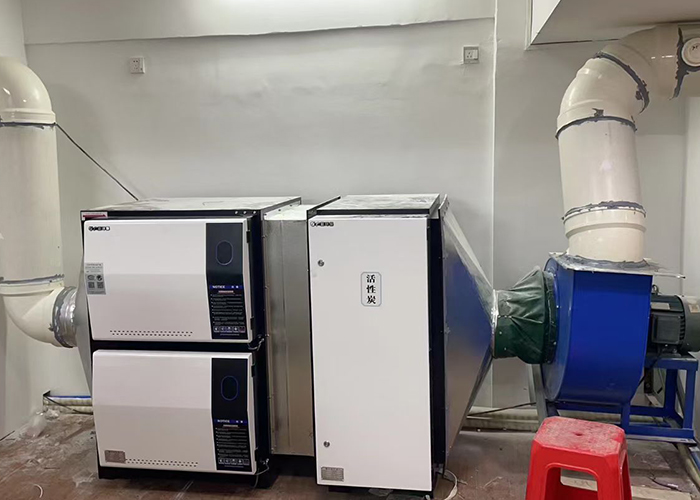
Thick Aluminum Electrostatic Precipitator (ESP) Cells address the limitations of HEPA and fiberglass filters by combining electrostatic attraction with structural durability. Unlike passive filters that rely on airflow to trap particles, ESP cells actively charge contaminants, pulling them onto aluminum plates with 98% efficiency. This process works for particles ranging from PM2.5 to ultrafine dust, including pollen, mold spores, and even some volatile organic compounds (VOCs). Aluminum’s corrosion resistance ensures longevity in humid environments, while its thermal conductivity prevents overheating—a common issue with plasticbased ESP systems. For EuroAmerican households, this means cleaner air without frequent filter replacements or noise disruptions.
Key Technical Specifications for Buyers
When evaluating ESP cells, prioritize these parameters:
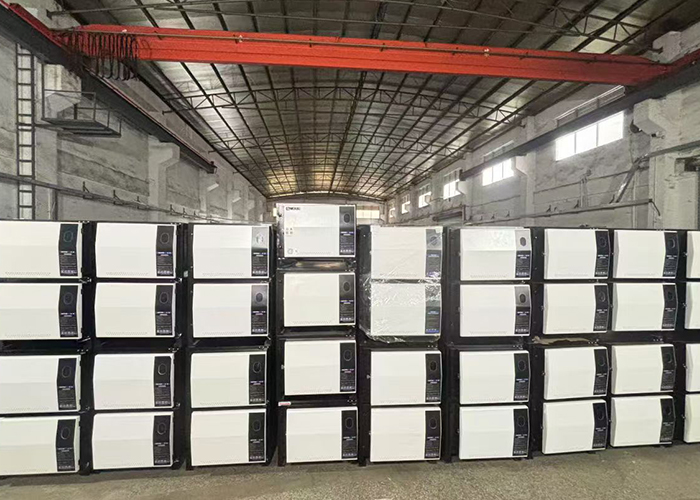
- Cell Thickness: 10–15mm aluminum plates balance particle capture capacity with airflow resistance. Thicker cells (e.g., 15mm) suit industrial settings, while 10mm versions fit residential units.
- Voltage Range: 5,000–12,000V DC systems optimize charging efficiency without producing ozone above safe limits (≤0.05 ppm).
- Material Grade: 6061T6 aluminum alloy offers 3x better tensile strength than standard aluminum, resisting warping during cleaning cycles.
- Certifications: Look for CE, RoHS, and ISO 9001:2015 compliance to ensure safety and quality consistency.
- Energy Efficiency: ESP cells reduce power consumption by 40% compared to forcedair filters, saving $50–$100 annually on electricity.
- Maintenance: Washable aluminum plates cut replacement costs to nearzero, whereas HEPA filters require $50–$150/year in replacements.
- Lifespan: Aluminum ESP cells last 8–10 years with monthly cleaning, double the lifespan of fiberglass filters.
- Placement: Mount the unit 12–18 inches from walls to ensure unobstructed airflow.
- Electrical: Connect to a dedicated 120V outlet (or 240V for commercial models) with grounding.
- Drainage: Attach a condensate drain line if humidity exceeds 60% RH.
- Customization: Can the manufacturer adjust cell thickness, voltage, or plate spacing for your specific airflow needs?
- Certifications: Verify ISO 14001 (environmental management) and UL 867 (electrostatic air cleaner) compliance.
- Lead Times: Jinjieli ships stock models in 5–7 days and custom orders in 3–4 weeks, faster than most competitors.
Jinjieli Environmental Protection’s ESP cells meet all these criteria, with customizable plate spacing and voltage settings to match specific airflow requirements.
Cost Breakdown: Initial Investment vs. LongTerm Savings
A typical residential ESP unit using thick aluminum cells costs $300–$800 upfront, depending on capacity (100–500 CFM). While this is 20–30% higher than HEPAbased cleaners, operational savings justify the difference:
Jinjieli offers bulk pricing discounts (10–25% off) for contractors and commercial clients, along with 3year warranties covering material defects.
Installation Guide: DIY vs. Professional Setup
Residential ESP systems with thick aluminum cells are designed for easy installation:
DIY installation takes 1–2 hours using basic tools. For ducted HVAC integrations, hire a certified technician ($150–$300) to avoid voltage mismatches. Jinjieli provides free installation manuals and 24/7 video support for global customers.
About Thick Aluminum ESP Cells’ Common Problems
Problem: Do ESP cells produce harmful ozone?Answer: Properly designed cells limit ozone to ≤0.03 ppm—below the EPA’s 0.05 ppm safety threshold. Jinjieli’s models use corona discharge stabilization to minimize ozone byproduct.
Problem: How often should aluminum ESP plates be cleaned?Answer: Clean every 4–6 weeks in residential settings and every 2 weeks in industrial environments. Use warm water and mild detergent; avoid abrasive scrubbers to prevent plate damage.
Problem: Can ESP cells capture viruses and bacteria?Answer: Yes, but efficiency depends on particle size. Tests show 85–90% removal for viruses (0.06–0.1 microns) when paired with a prefilter. Jinjieli offers UVC upgrades for enhanced disinfection.
How to Choose the Right Manufacturer
Avoid generic suppliers by prioritizing these factors:
For EuroAmerican buyers, Jinjieli’s EUbased warehouse reduces shipping costs by 15–20% and ensures compliance with REACH regulations. Contact their team via the official website for a free technical consultation and quote.
 Related tags:
Recommend
BBQ Restaurant Oil Fume Purifier Prices
Professional Oil Fume Purifier Suppliers: Selection Guide
Indoor Oil Fume Purifier Installation Notice Template
Oil Fume Cleaning and Purification Companies
BBQ Oil Fume Purifier Standards: Requirements to Check
Restaurant Oil Fume Purifier Cleaning Log Template
Mobile Oil Fume Purifier Operation: Controls and Safety
Oil Fume Purifier Not Removing Smoke: Causes and Checks
Oil Fume Purifier Faults: Symptoms and Diagnosis
How to Install Oil Fume Purifiers: Layout and Connections
Contact Us
National hotline
+86 139-2378-3494
Company:Shenzhen Jinjieli Environmental Protection Technology Co., Ltd
Address:101, Zone B, Houting Third Industrial Zone, Shajing Street, Bao'an District, Shenzhen City, Guangdong Province
Hot News
- Air Cleaners for Cooking Fumes and Odors
- Oil Fume Purifier Brands: Manufacturer Directory
- Oil Fume Purifier Installation Prices and Quote Scope
- Restaurant Without an Oil Fume Purifier: Next Steps
- Oil Fume Purifier Quality and Price: What to Verify
- Oil Fume Purifier Installer Qualifications: What to Verify
- Oil Fume Purifiers for Odor Control: Options and Limits
- Low-Level Direct-Discharge Oil Fume Purifiers
- All-in-One BBQ Oil Fume Purifier Scrap Recycling
- Fan Cabinet and Oil Fume Purifier Installation Planning

 HOME
 Product
 Case
 Contact