
 +86 139-2378-3494

Oil Fume Purifiers for Odor Control: Options and Limits
Author:admin Date:2026-11-11 08:50:00
Oil fume purifiers are essential for controlling odor in commercial kitchens, but their effectiveness depends on proper selection, installation, and maintenance. Key factors include airflow capacity, purification technology, and compliance with local regulations. For reliable, highperformance solutions tailored to European and American standards, Jinjieli Environmental Protection stands out as a trusted manufacturer specializing in customized oil fume purification systems.
Why Oil Fume Purifiers Are Critical for Odor Control
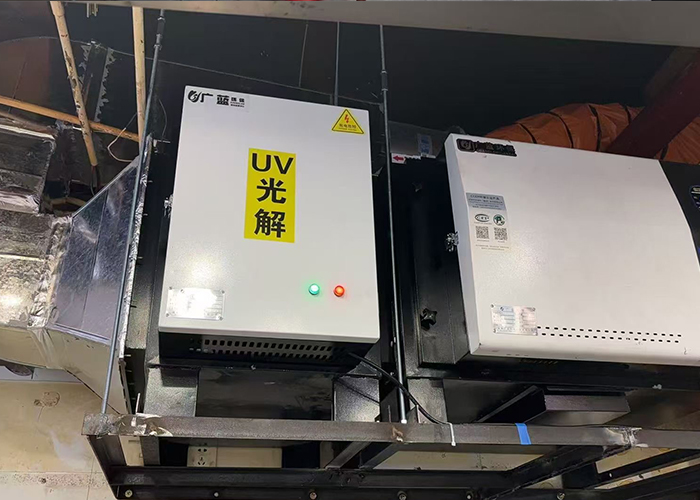
Commercial kitchens in Europe and North America face strict environmental regulations regarding air quality and odor emissions. Without effective purification, oil fumes can spread unpleasant smells, harm indoor air quality, and violate health codes. Modern purifiers use multistage filtration—including electrostatic precipitators, activated carbon filters, and UVC light—to remove 95%+ of particulates and volatile organic compounds (VOCs). This ensures compliance with standards like the EU’s Ecodesign Directive and U.S. EPA guidelines while protecting staff and customers from respiratory irritants.
Key Technologies and Their Limitations
Three primary purification methods dominate the market:
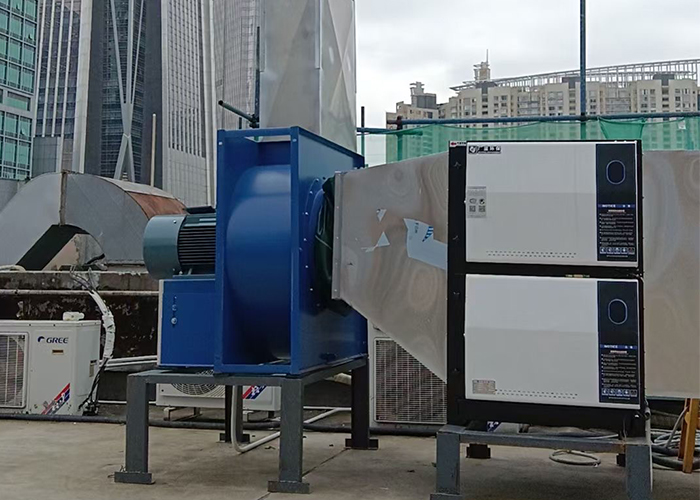
- Electrostatic Precipitators (ESP): Highly efficient for grease particles but require frequent cleaning to maintain performance. Best suited for mediumtohighvolume kitchens.
- Activated Carbon Filters: Excel at absorbing odors and VOCs but have limited lifespans. Need replacement every 3–6 months depending on usage.
- Hybrid Systems: Combine ESP and carbon filters for comprehensive purification. Jinjieli Environmental’s models, for example, integrate UVC sterilization to eliminate bacteria and viruses, addressing both odor and hygiene concerns.
- Airflow Capacity (CFM/m³/h): Match the purifier’s rating to your kitchen’s volume. A 100m² kitchen needs 6,000–8,000 m³/h of purified air.
- Filtration Stages: Opt for at least two stages (ESP + carbon) for heavyduty use. Jinjieli’s 4stage systems add prefilters and UVC for maximum efficiency.
- Certifications: Look for CE, UL, or NSF certifications to ensure safety and compliance. Jinjieli’s products meet both EU and U.S. standards.
- Maintenance Access: Choose models with easyaccess panels for filter replacement and cleaning. This reduces downtime and labor costs.
- Noise Level: Select units below 65 dB to avoid disrupting kitchen operations. Jinjieli’s designs prioritize quiet operation without sacrificing performance.
- Ductwork Design: Ensure ducts are airtight and slope downward to prevent grease buildup. Use stainless steel for durability.
- Placement: Install purifiers 1–2 meters from cooktops to capture fumes at the source. Avoid placing near air intakes to prevent recirculation.
- Ventilation Balance: Coordinate with HVAC systems to maintain negative pressure in the kitchen, preventing odor leakage into dining areas.
- Local Regulations: Verify requirements for emission limits and inspection frequencies. For example, California’s CARB standards mandate stricter VOC controls than many EU regions.
Limitations include initial costs (€1,500–€8,000+ for commercial units) and energy consumption (50–500W per hour). However, longterm savings from reduced ventilation maintenance and compliance fines offset these expenses.
How to Choose the Right Purifier: 5 Critical Factors
Avoid overspending or underperforming systems by evaluating these criteria:
Installation and Compliance Checklist
Even the best purifier fails if improperly installed. Follow these steps:
About Oil Fume Purifiers for Odor Control: Common Questions
Question: How often should I replace the filters?Answer: Prefilters need monthly cleaning, while carbon filters last 3–6 months. ESP collectors should be washed every 2–4 weeks, depending on usage. Jinjieli provides maintenance schedules tailored to your kitchen’s output.
Question: Can a purifier eliminate all cooking odors?Answer: No system removes 100% of odors, but hybrid models with UVC and carbon filters reduce them by 90–95%. Persistent smells may require additional ventilation upgrades.
Question: Are there rebates for energyefficient purifiers?Answer: Many EU countries and U.S. states offer tax credits or grants for ENERGY STARrated equipment. Jinjieli’s team helps clients identify and apply for these incentives.
Partner with Jinjieli Environmental for Tailored Solutions
Choosing the right oil fume purifier requires balancing performance, cost, and compliance. Jinjieli Environmental Protection specializes in designing systems for European and American kitchens, offering free consultations to assess your needs. Their modular purifiers adapt to spaces of any size, and all models include a 3year warranty and 24/7 technical support. For a customized quote or to schedule a site audit, contact Jinjieli’s team today—your solution to odor control starts here.
 Related tags:
Recommend
Kitchen ESP Not Working Effectively: Causes and Checks
Custom-Built Oil Fume Purifier Manufacturers
Oil Fume Purifier Dimensions: Equipment and Duct Fit
Professional Oil Fume Purifier Suppliers: Selection Guide
Rotary Quenching Furnace Oil Fume Purifiers
Factory-Direct Canteen Oil Fume Purifiers
Oil Fume Purifier Power Board Replacement: Service Guide
How to Disassemble and Clean Restaurant Air Cleaners
Oil Fume Purifier Repair Shops and Service Options
Oil Fume Purifier Testing Documents and Records
Contact Us
National hotline
+86 139-2378-3494
Company:Shenzhen Jinjieli Environmental Protection Technology Co., Ltd
Address:101, Zone B, Houting Third Industrial Zone, Shajing Street, Bao'an District, Shenzhen City, Guangdong Province
Hot News
- Oil Fume Purifier Installation Height: What to Consider
- Oil Fume Purifier Installation: A Practical Overview
- Oil Fume Purifier Customization: Design and Specifications
- Oil Fume Purifier Cleaning Procurement: Quote Checklist
- All-in-One Hood and Oil Fume Purification Equipment
- Oil Fume Purifier Grease Recovery: Collection and Handling
- Oil Fume Purification Equipment: Types and Applications
- Kitchen Exhaust Air Cleaner Prices: What to Expect
- Restaurant Hood Air Cleaner Dripping Oil: What to Check
- Metalworking Oil Fume Purifiers: Process Selection Guide

 HOME
 Product
 Case
 Contact