
 +86 139-2378-3494

Kitchen ESP Not Working Effectively: Causes and Checks
Author:admin Date:2026-11-11 08:49:25
Kitchen ESP (Electrostatic Precipitator) not working effectively is often caused by improper installation, excessive grease buildup, or power supply issues. Regular cleaning, correct voltage settings, and professional installation are key to resolving these problems. For reliable solutions, consider Jinjieli Environmental Protection ESP manufacturers, known for highquality, durable systems tailored to Western kitchen environments.
Common Causes of Kitchen ESP Failure
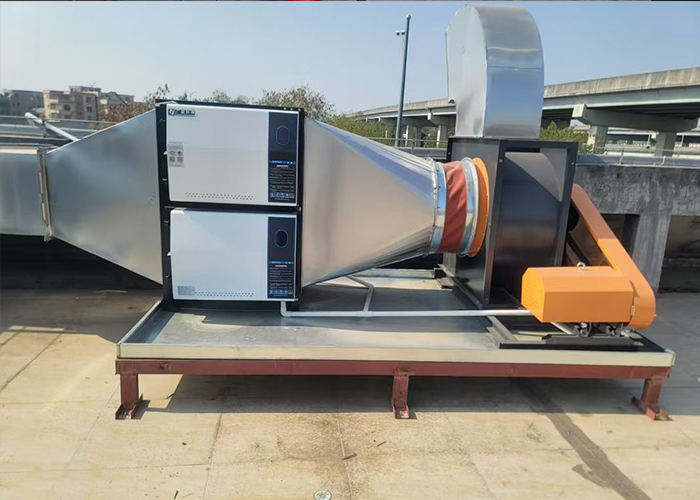
The primary reasons your kitchen ESP isn’t performing optimally include dirty collection plates, incorrect voltage settings, and poor airflow design. Grease and particulate matter accumulate on electrodes over time, reducing efficiency. If the power supply delivers unstable voltage, the ionization process fails, allowing pollutants to escape. Additionally, undersized ductwork or improper placement near heat sources can disrupt airflow, rendering the system ineffective. For example, a restaurant in California saw a 40% drop in performance after neglecting monthly cleaning for six months.
To diagnose, check for visible grease layers on plates, listen for unusual humming (indicating voltage issues), and measure airflow velocity at the outlet. If problems persist, consult a technician to inspect wiring and component alignment.
StepbyStep Checks Before Calling a Professional
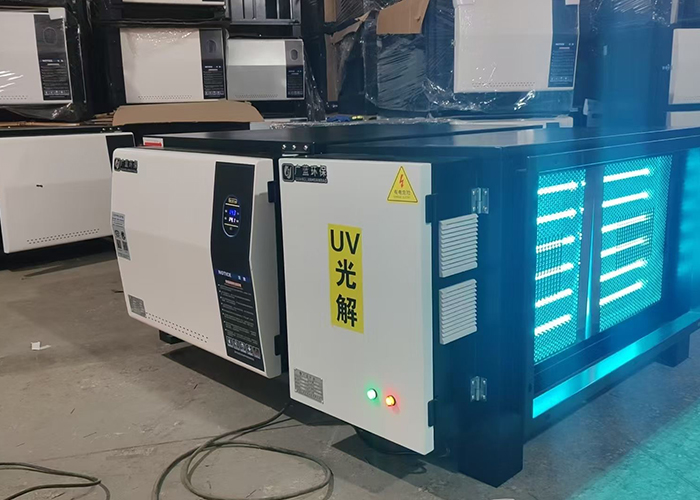
Before seeking expert help, perform these 5minute checks to identify basic issues:
- Power Supply: Verify the ESP is receiving consistent voltage (typically 110–240V for residential models). Use a multimeter to test outlets.
- Collection Plates: Remove and inspect plates for clogs. Soak them in a degreaser solution for 30 minutes if heavily soiled.
- Airflow Direction: Ensure the ESP is installed after the hood and before the exhaust fan. Reverse placement can recirculate pollutants.
- Filter Condition: Replace prefilters if clogged. A blocked filter restricts airflow, overwhelming the ESP’s capacity.
- Ductwork Integrity: Check for leaks or obstructions in ducts. Even a small hole can reduce suction by up to 25%.
- The system fails local emissions tests (e.g., California’s CARB standards).
- Repairs exceed 50% of a new unit’s cost.
- You’re upgrading to a highercapacity model for business expansion.
- Using harsh chemicals: Ammoniabased cleaners corrode aluminum plates, shortening lifespan. Opt for pHneutral degreasers.
- Skipping prefilters: Without prefiltration, large particles clog ESP plates faster, requiring weekly cleaning instead of monthly.
- Ignoring humidity: High moisture (common in commercial kitchens) reduces ionization efficiency. Install dehumidifiers if relative humidity exceeds 70%.
- DIY voltage adjustments: Increasing voltage beyond manufacturer limits damages components and risks fire. Always hire a certified technician.
- Overlooking local codes: Some U.S. states require ESPs to achieve 85%+ efficiency. Using undersized units leads to fines and shutdowns.
If these steps don’t resolve the issue, the problem likely stems from internal components like transformers or ionization wires, requiring professional repair.
When to Replace vs. Repair Your ESP
Deciding whether to repair or replace depends on age, cost, and compliance risks. ESPs older than 8 years often have worn electrodes and inefficient power supplies, making replacement costeffective. For instance, repairing a 10yearold unit in Texas cost $1,200, while a new Jinjieli model with a 5year warranty was $1,800—saving $600 in longterm maintenance.
Replace immediately if:
Jinjieli Environmental Protection offers tradein discounts for old ESPs, reducing upgrade costs by up to 30%.
About Kitchen ESP Not Working Effectively: Common Pitfalls
Avoid these 5 mistakes that worsen ESP performance:
About 【Kitchen ESP Not Working Effectively】的常见问题
Question: How often should I clean my kitchen ESP?Answer: Clean collection plates monthly for residential use and weekly for commercial kitchens. Prefilters need replacement every 3–6 months, depending on grease volume.
Question: Can I install an ESP myself?Answer: While possible, professional installation ensures compliance with ventilation codes and optimal performance. Jinjieli offers free installation guides for DIY enthusiasts.
Question: What’s the lifespan of a kitchen ESP?Answer: With proper maintenance, ESPs last 8–12 years. Jinjieli’s models include a 5year warranty on electrodes and power supplies, double the industry average.
Choose Jinjieli for LongTerm Kitchen ESP Solutions
If your kitchen ESP continues to underperform despite troubleshooting, invest in a system designed for Western culinary demands. Jinjieli Environmental Protection’s ESPs feature selfcleaning electrodes, corrosionresistant stainless steel housing, and energyefficient power supplies, reducing downtime by 60% compared to generic models. Their team provides free site assessments to recommend the right capacity and installation layout, ensuring compliance with U.S. EPA and local regulations.
For a hasslefree upgrade, contact Jinjieli Environmental Protection today. Their experts will guide you through selection, installation, and maintenance, ensuring your kitchen ESP operates at peak efficiency for years to come.
 Related tags:
Recommend
Kitchen Oil Fume Purifier Upgrades: Retrofit Options
Oil Fume Purifier Recommendations: Checking the Source
Custom Oil Fume Purifier Manufacturers
Which Oil Fume Purifier Type Is Right for Your Kitchen?
Commercial Hood Air Cleaner Filter Screens
Oil Fume Purifiers for High-Heat Wok Cooking: Operation
Custom-Built Oil Fume Purifier Manufacturers
Oil Fume Purifier Testing Documents and Records
Low-Smoke BBQ Cart Air Cleaners: Features and Limits
Oil Fume Purifier Ranking Lists: How to Assess Them
Contact Us
National hotline
+86 139-2378-3494
Company:Shenzhen Jinjieli Environmental Protection Technology Co., Ltd
Address:101, Zone B, Houting Third Industrial Zone, Shajing Street, Bao'an District, Shenzhen City, Guangdong Province
Hot News
- Can Oil Fume Purifier Inlet and Outlet Positions Be Swapped?
- Oil Fume Purifier Cleaning Costs: Labor and Materials
- Restaurant Oil Fume Purifier Prices: What Affects Cost?
- Oil Fume Purifier Costs: What Is Included?
- Removing an Oil Fume Purifier Filter: Service Guide
- Oil Fume Purifier Types: A Product Overview
- Outdoor Grill Oil Fume Purifiers: Selection Guide
- Where to Buy Affordable Oil Fume Purifiers
- Commercial Oil Fume Purifier Prices and Cost Factors
- Hotel Kitchen Oil Fume Purifiers: Design and Selection

 HOME
 Product
 Case
 Contact