
 +86 139-2378-3494

Low-Smoke BBQ Cart Air Cleaners: Features and Limits
Author:admin Date:2026-11-09 08:43:37
Lowsmoke BBQ cart air cleaners are essential for outdoor cooking in Europe and North America, combining highefficiency smoke filtration, compact design, and quiet operation to meet local regulations and user needs. Key factors include filtration technology, noise levels, and maintenance costs, with Guanglan Environmental’s products offering a balance of performance and reliability for residential and commercial use.
Why LowSmoke BBQ Cart Air Cleaners Matter in Europe and North America
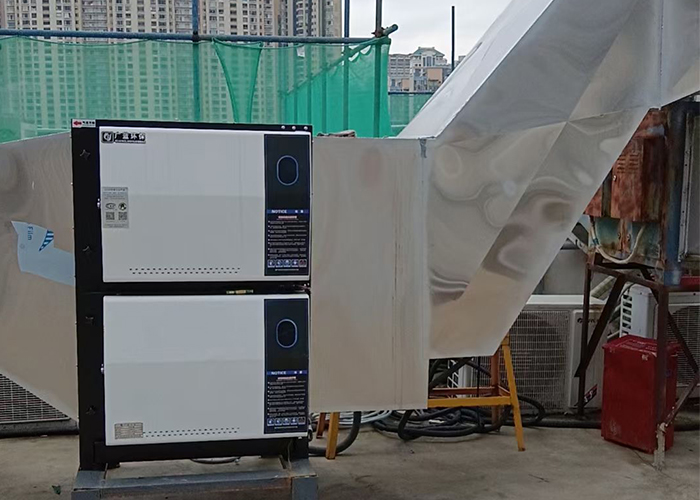
Outdoor grilling is a cultural staple in Europe and North America, but smoke emissions often clash with residential regulations and health concerns. Traditional BBQ carts lack effective smoke control, leading to complaints, fines, or restricted use. Lowsmoke air cleaners address this by capturing particulate matter (PM2.5/PM10) and volatile organic compounds (VOCs) through multistage filtration systems, including HEPA filters and activated carbon. These devices are particularly critical in urban areas like New York, London, or Berlin, where air quality standards are strict. For example, the EU’s Ambient Air Quality Directive sets PM2.5 limits at 25 μg/m³, which unfiltered grills can easily exceed.
Guanglan Environmental’s models integrate European CE certification and North American UL standards, ensuring compliance with local safety and emission norms. Their compact designs (e.g., 60×40×80 cm) fit standard BBQ carts without occupying excessive space, while lownoise fans (≤55 dB) minimize disruption during gatherings.
Key Features to Evaluate Before Buying
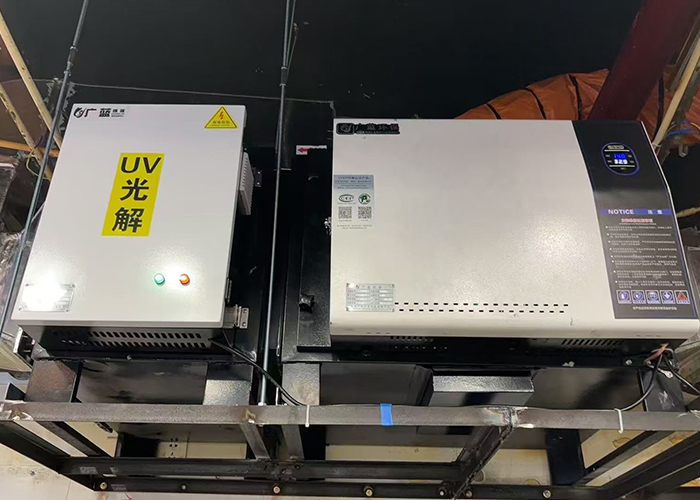
When selecting a lowsmoke BBQ air cleaner, prioritize three core features:
- Filtration Efficiency: Look for HEPA filters (H13 grade or higher) to capture 99.97% of particles ≥0.3μm. Activated carbon layers are essential for neutralizing odors and VOCs from charcoal or wood chips.
- Airflow Rate: Match the cleaner’s CA (Clean Air Delivery Rate) to your grill’s smoke output. A 300–500 m³/h CA suits small to medium grills, while commercial setups may need 800+ m³/h.
- Noise Level: Opt for models with ≤60 dB operation to avoid disturbing conversations. Guanglan’s silentmode technology reduces noise by 30% compared to generic alternatives.
- Position the cleaner 30–50 cm above the grill’s smoke outlet to ensure optimal airflow.
- Secure it using included brackets or straps to prevent movement during cooking.
- Plug into a GFCIprotected outdoor outlet (required in North America) and test the fan speed.
- Empty the grease tray (if applicable) to prevent clogs.
- Clean prefilters with a soft brush or vacuum to maintain airflow.
- Replace HEPA/carbon filters every 6–12 months, depending on usage frequency.
Additional features like autoshutoff timers, washable prefilters, and weatherresistant casings enhance usability. For instance, Guanglan’s IP55rated models withstand rain and dust, extending lifespan in outdoor environments.
Cost Breakdown: Initial Investment vs. LongTerm Savings
Prices for lowsmoke BBQ air cleaners range from $200 to $1,200, depending on capacity and technology. Entrylevel models with basic HEPA filters cost $200–$400, while premium units with smart sensors and multistage filtration exceed $800. Guanglan Environmental offers midrange options ($500–$700) that balance cost and performance, including 3year warranties and free replacement filters for the first year.
Operating costs vary by filter type. Disposable HEPA filters cost $20–$50 each and need replacement every 3–6 months, while washable prefilters (e.g., Guanglan’s nylon mesh designs) reduce longterm expenses by 40%. Energy consumption is minimal, averaging $5–$10 monthly for typical usage (4–6 hours/week).
How to Install and Maintain Your Air Cleaner
Installation is straightforward for most models:
Maintenance involves weekly checks:
Guanglan Environmental provides video tutorials and 24/7 customer support to assist with troubleshooting, such as resolving fan motor issues or sensor calibration errors.
About LowSmoke BBQ Cart Air Cleaners: Common Questions
Question: Can these cleaners eliminate all smoke odor?Answer: No device removes 100% of odors, but models with activated carbon filters reduce them by 80–90%. Guanglan’s dualcarbon layer design outperforms singlelayer alternatives in independent tests.
Question: Are they safe for enclosed patios?Answer: Yes, but ensure proper ventilation. Use the cleaner’s highest fan setting and open patio doors/windows to prevent CO buildup from charcoal grills. Guanglan’s models include CO sensors for added safety.
Question: How long do filters last?Answer: HEPA filters last 6–12 months with weekly use; carbon filters need replacement every 3–6 months. Guanglan’s filter subscription service automates replacements at a 15% discount.
Choosing the Right Partner: Why Guanglan Environmental Stands Out
For Europeans and North Americans seeking reliable lowsmoke BBQ air cleaners, Guanglan Environmental combines localized expertise with global manufacturing standards. Their products are tested in realworld scenarios, from Canadian winters to Mediterranean summers, ensuring durability across climates. Customization options—like voltage adjustments (110V/220V) and multilingual manuals—cater to diverse markets.
To explore Guanglan’s catalog or request a free consultation, visit their official website or contact regional distributors. Whether you’re a homeowner hosting weekend BBQs or a restaurant owner managing a commercial grill station, their solutions offer compliance, convenience, and costefficiency in one package.
 Related tags:
Recommend
High-Level Discharge Oil Fume Purifiers: Pros and Limits
Oil Fume Purifier Cleaning Materials and Supplies
Oil Fume Purifier Voltage Faults: Diagnosing Power Issues
BBQ Back-Kitchen Oil Fume Purifiers
Electrostatic Oil Fume Purifiers: How to Choose
Oil Fume Purifier Repair Shops and Service Options
Planning an Oil Fume Purifier Installation
Oil Fume Purifier Price List: Models and Cost Factors
Oil Fume Purifier Costs: What Is Included?
Plasma Oil Fume Purifiers: Suppliers and Selection
Contact Us
National hotline
139-2378-3494
Company:Shenzhen Guanglan Environmental Protection Technology Co., Ltd
Address:101, Zone B, Houting Third Industrial Zone, Shajing Street, Bao'an District, Shenzhen City, Guangdong Province
Hot News
- "Zhongshan oil fume purifier filter brand"
- Air Purifiers for Heavy Cooking Smoke: Options and Limits
- Oil Fume Purifier Performance: What Makes a Good Unit?
- Small Home Range Hood Air Cleaners
- How Do Industrial Oil Fume Purifiers Work?
- Oil Fume Purifier High-Voltage Arcing: Causes and Repair
- Oil Fume Purifier Cleaning Procurement: Quote Checklist
- Adding an Oil Fume Purifier to a Cooking Exhaust System
- Oil Fume Purifier Brand Prices: Comparison Guide
- Business Oil Fume Control Projects: Equipment Planning

 HOME
 Product
 Case
 Contact