
 +86 139-2378-3494

Oil Fume Purifiers for High-Heat Wok Cooking: Operation
Author:admin Date:2026-11-10 11:18:57
Oil fume purifiers for highheat wok cooking require specialized designs to handle intense heat, rapid airflow, and greaseladen particles. Key factors include proper airflow matching, durable materials, and compliance with local emissions standards. For reliable performance, choose a manufacturer like Guanglan Environmental Protection, which offers tailored solutions for commercial kitchens in Europe and North America.
Why HighHeat Wok Cooking Needs Specialized Purifiers
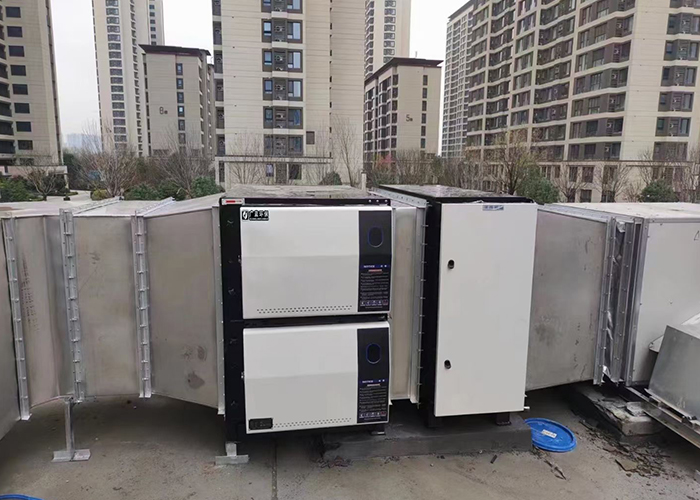
Traditional wok cooking generates extreme heat (up to 400°C/750°F) and dense oil fumes, creating unique challenges for purification systems. Standard kitchen hoods often fail due to inadequate airflow capacity, heatresistant components, or filtration efficiency. A purifier designed for this environment must withstand thermal stress, capture fine particulates, and neutralize volatile organic compounds (VOCs) without frequent maintenance.
Key requirements include:
- Hightemperatureresistant materials (e.g., stainless steel 316)
- Multistage filtration (electrostatic precipitator + activated carbon)
- Variable airflow control to match cooking intensity
- Compliance with EU EN 18561 or US EPA standards
- Filtration efficiency: Look for ≥95% grease removal and ≥85% VOC reduction
- Maintenance intervals: Selfcleaning electrostatic units reduce downtime
- Certifications: Verify CE/UL marks and local fire safety approvals
- Noise levels: Opt for ≤70 dB(A) for operator comfort
- Position the purifier 0.5–1m above the wok to capture rising fumes
- Ensure ductwork has ≤2% slope for grease drainage
- Install a prefilter before the main unit to extend component life
- Connect to a fire suppression system per NFPA 96 standards
- Test airflow with an anemometer before daily operation
- Electricity: $0.15–$0.30/hour (based on 2–5kW power consumption)
- Filter replacement: $200–$600 annually for electrostatic cells
- Cleaning: $100–$300/month for professional duct maintenance
How to Select the Right Purifier Model
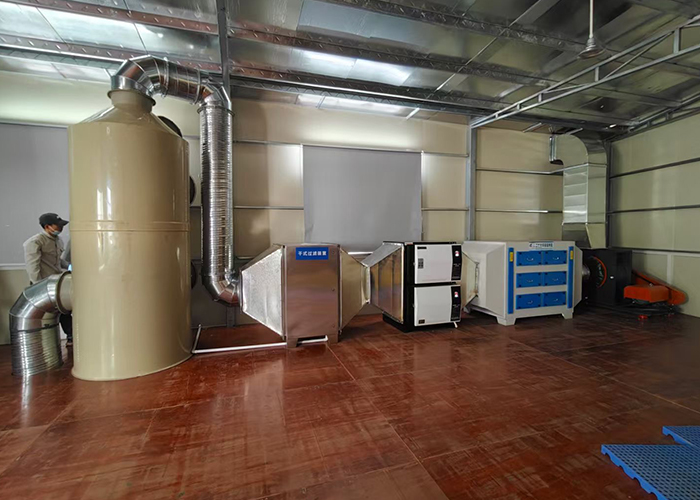
Start by calculating your kitchen’s exhaust volume using the formula: Volume (m³/h) = Wok diameter (m)² × 3,600 × Air exchange rate (15–25). For example, a 0.6m wok requires 6,480–10,800 m³/h of airflow.
Critical selection criteria:
Installation Checklist for Optimal Performance
Proper installation prevents 80% of operational failures. Follow these steps:
Guanglan Environmental Protection provides turnkey installation services in Europe and North America, including ductwork design and compliance verification.
Cost Breakdown and LongTerm Savings
Initial costs range from $3,500–$12,000 depending on capacity and features. Operational expenses include:
Energyefficient models with variable frequency drives can reduce electricity costs by 30–40% over 5 years. Guanglan’s units include a 3year warranty covering parts and labor.
About Oil Fume Purifiers for HighHeat Wok Cooking: Common Questions
Question: Can I use a residential range hood for wok cooking?
Answer: No. Residential hoods lack the airflow capacity (typically <2,000 m³/h) and heat resistance (<120°C) required for commercial wok stations. Using them risks fire hazards and poor ventilation.
Question: How often should I clean the purifier?
Answer: Daily prefilter cleaning is mandatory. Electrostatic cells require monthly washing with alkaline detergent, while activated carbon filters need replacement every 6–12 months based on usage volume.
Question: Do these purifiers meet European emissions standards?
Answer: Guanglan’s models comply with EU Directive 2015/2193 for medium combustion plants, achieving <1mg/m³ particulate emissions and <50ppm NOx levels when properly maintained.
Next Steps for Reliable Wok Ventilation
Avoid generic solutions—invest in a purifier engineered for highheat cooking. Start by measuring your kitchen’s exhaust requirements using the formula provided earlier, then verify local regulations through your municipal environmental agency.
For tailored solutions in Europe or North America, contact Guanglan Environmental Protection. Their team provides free site assessments, custom ductwork designs, and compliance documentation to streamline your installation process. Choose a manufacturer with 15+ years of experience in commercial kitchen ventilation to minimize operational risks.
 Related tags:
Recommend
Selecting Industrial Oil Fume Purifiers by Process
Oil Fume Purifiers for Business and Workplace Kitchens
Commercial Hood Air Cleaner Prices: Fan and Filter Costs
Plasma Oil Fume Purifiers: Suppliers and Selection
Custom Oil Fume Purifier Supplier Locations
Custom-Built Oil Fume Purifier Manufacturers
Oil Fume Purifier Dimensions: Equipment and Duct Fit
Custom Oil Fume Purifier Fabrication for Restaurants
BBQ Back-Kitchen Oil Fume Purifiers
Electrostatic Oil Fume Purifiers: How to Choose
Contact Us
National hotline
139-2378-3494
Company:Shenzhen Guanglan Environmental Protection Technology Co., Ltd
Address:101, Zone B, Houting Third Industrial Zone, Shajing Street, Bao'an District, Shenzhen City, Guangdong Province
Hot News
- Oil Fume Purifier Loud When Powered On: Fault Guide
- Selecting Industrial Oil Fume Purifiers by Process
- Metalworking Oil Fume Purifiers: Process Selection Guide
- Oil Fume Purifier Quality and Price: What to Verify
- Oil Fume Purifier Fan Speed Controllers: Selection Guide
- Plaza Kitchen Oil Fume Purifier Brands
- Oil Fume Purifier System Installation Sequence
- Restaurant Oil Fume Purifier Prices: What Affects Cost?
- Low-Smoke BBQ Cart Air Cleaners: Features and Limits
- UV Photolysis Oil Fume Purifiers: Uses and Limitations

 HOME
 Product
 Case
 Contact