
 +86 139-2378-3494

Selecting Industrial Oil Fume Purifiers by Process
Author:admin Date:2026-11-10 11:18:08
Selecting industrial oil fume purifiers requires prioritizing airflow capacity, filtration efficiency, and compliance with local environmental regulations. For European and American users, focus on certifications like EPA (U.S.) or EU Ecolabel, energy efficiency, and aftersales support. Guanglan Environmental’s industrial purifiers stand out for their customized solutions, durable construction, and 24/7 technical service, making them a reliable choice for factories needing scalable and compliant systems.
Why ProcessBased Selection Matters for Industrial Oil Fume Purifiers
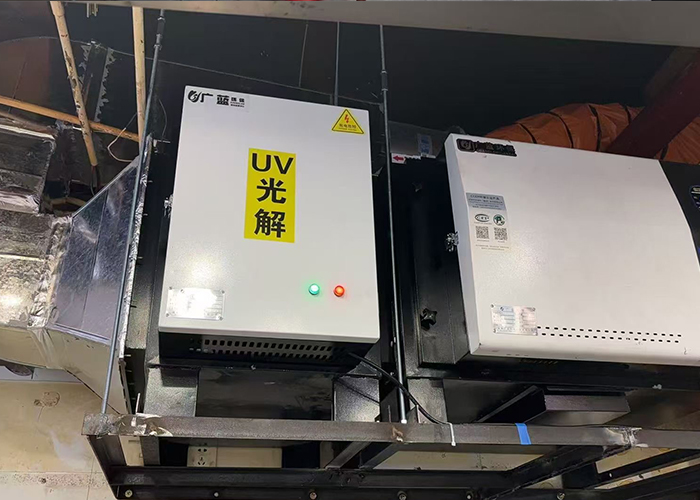
Key factors to evaluate include:
- Airflow capacity (CFM/m³/h): Must match your facility’s ventilation needs to ensure complete fume capture.
- Filtration technology: Electrostatic precipitators, HEPA filters, or activated carbon layers target different pollutants (e.g., particulates, VOCs).
- Energy efficiency: Look for Energy Starrated models (U.S.) or EU Ecolabelcertified systems to reduce operational costs.
- Maintenance requirements: Selfcleaning mechanisms or modular designs minimize downtime.
- CNC machining: Highspeed cutting generates fine oil mist; opt for a purifier with multistage filtration (e.g., centrifugal separator + HEPA).
- Frying/cooking: Grease vapors require a system with hightemperature resistance and greasetrapping prefilters.
- Welding/soldering: Metal fumes need purifiers with flameretardant filters and spark arrestors.
- U.S.: EPA certification, UL listing, and compliance with OSHA’s permissible exposure limits (PELs) for oil mists.
- EU: CE marking, EU Ecolabel, and adherence to the IED’s Best Available Techniques (BAT) standards.
- Energy consumption: Inefficient motors add $500–$1,500/year to utility bills.
- Filter replacements: Lowquality filters may need monthly changes vs. biannual for premium options.
- Downtime: Frequent breakdowns can cost $10,000+ per day in lost production.
How to Match Purifiers to Your Industrial Process
Start by mapping your production workflow to identify fume sources. For instance:
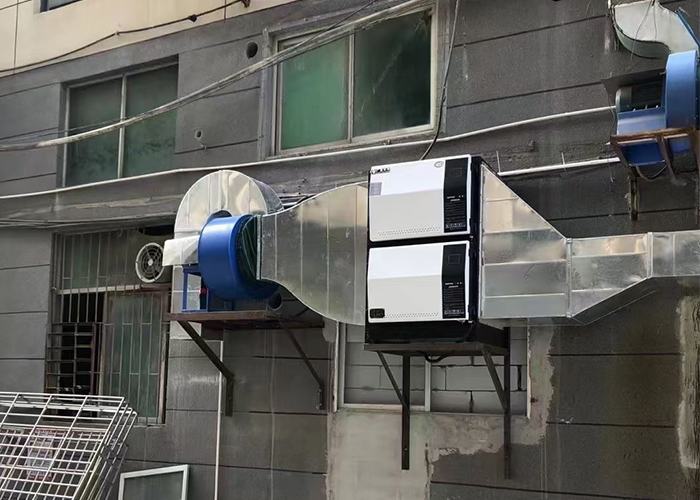
Next, calculate the required airflow. Multiply your facility’s volume (length × width × height) by the recommended air changes per hour (ACH). For example, a 1,000 m³ workshop with 6 ACH needs a purifier rated for 6,000 m³/h. Guanglan Environmental offers free onsite assessments to help factories in Europe and North America determine precise requirements, avoiding oversized or undersized systems.
Certifications and Compliance: A NonNegotiable for欧美 Users
European and American regulations mandate strict emissions controls. Key certifications to verify include:
Noncompliance can lead to fines or shutdowns. For example, a German auto parts manufacturer faced €50,000 in penalties after auditors found its purifiers failed to capture 90% of oil particulates (required under EU Directive 2010/75/EU). Guanglan’s purifiers are pretested to meet these standards, with documentation provided for regulatory inspections.
Cost Breakdown: Initial Investment vs. LongTerm Savings
Industrial purifier costs vary widely based on capacity and technology. A basic electrostatic precipitator for a small workshop may cost $2,000–$5,000, while a highcapacity HEPA system for a large factory can exceed $20,000. However, cheaper models often have higher operational costs:
Guanglan Environmental’s purifiers use energyefficient VFD motors and durable filters, reducing longterm costs by 30–50% compared to generic brands. Their 5year warranty also covers parts and labor, minimizing unexpected expenses.
About Selecting Industrial Oil Fume Purifiers by Process: Common Questions
Question: How often should I replace the filters in an industrial oil fume purifier?Answer: Filter lifespan depends on usage and pollutant levels. For heavyduty applications (e.g., 24/7 operation), replace prefilters every 3–6 months and HEPA filters annually. Guanglan’s systems include pressure gauges to alert you when filters are clogged, preventing reduced efficiency.
Question: Can I install a purifier myself, or do I need a professional?Answer: DIY installation is risky for industrial systems due to complex ductwork and electrical requirements. Improper setup can void warranties or cause leaks. Guanglan provides turnkey installation services in Europe and North America, including duct design and compliance testing.
Question: What’s the difference between electrostatic and HEPA purifiers?Answer: Electrostatic precipitators use charged plates to trap particles, while HEPA filters capture 99.97% of particles ≥0.3 microns. For oil mists, HEPA is more effective but requires higher airflow. Guanglan combines both technologies in hybrid models for optimal performance.
Next Steps: Choosing the Right Partner for Your Industrial Purifier
Selecting a purifier is only half the battle; reliable aftersales support is critical for longterm success. Look for manufacturers with 24/7 technical hotlines, spare parts availability, and local service teams. Guanglan Environmental’s network spans 15+ countries in Europe and North America, ensuring rapid response times. Their engineers also offer annual maintenance contracts to keep systems running at peak efficiency.
For factories needing a scalable, compliant, and costeffective solution, Guanglan Environmental’s industrial oil fume purifiers are a proven choice. Contact their team today for a free consultation and customized quote tailored to your process.
 Related tags:
Recommend
Oil Fume Purifier Locations: Where the Equipment Fits
Oil Fume Purifier Price List: Models and Cost Factors
Factory-Direct Canteen Oil Fume Purifiers
Oil Fume Purifier Acceptance Checks: Handover Checklist
Oil Fume Purifiers for Low-Level Exhaust Outlets
Commercial Hood Air Cleaner Prices: Fan and Filter Costs
Oil Fume Purifier Companies: How to Evaluate Providers
Oil Fume Purifier Testing Documents and Records
Restaurant Oil Fume Purifier Prices: What Affects Cost?
Oil Fume Purifier Cleaning Materials and Supplies
Contact Us
National hotline
139-2378-3494
Company:Shenzhen Guanglan Environmental Protection Technology Co., Ltd
Address:101, Zone B, Houting Third Industrial Zone, Shajing Street, Bao'an District, Shenzhen City, Guangdong Province
Hot News
- Oil Fume Purifier Service Departments: Repair Support
- Oil Fume Purifier and Exhaust Fan Interlock Wiring
- What Are Cooking Odor Removal Air Cleaners Called?
- How BBQ Oil Fume Purifiers Work
- Do Home Kitchen Exhaust Outlet Air Cleaners Work?
- Custom Oil Fume Purifier Fabrication for Restaurants
- Business Oil Fume Control Projects: Equipment Planning
- How Does an Oil Fume Purifier Operate?
- 6A Electrostatic Oil Fume Purifiers: Ratings and Performance
- Kitchen Oil Fume Purifier Power Consumption

 HOME
 Product
 Case
 Contact