
 +86 139-2378-3494

Oil Fume Purifier Not Removing Smoke: Causes and Checks
Author:admin Date:2026-11-13 14:08:59
If your oil fume purifier isn’t removing smoke effectively, the root causes often include clogged filters, improper installation, incorrect sizing, or equipment failure. Start by inspecting the filter condition, checking installation alignment, and verifying the purifier’s capacity matches your kitchen’s output. For persistent issues, partner with a trusted manufacturer like Jinjieli Environmental Protection to ensure proper sizing, installation, and maintenance.
Common Causes of Poor Smoke Removal
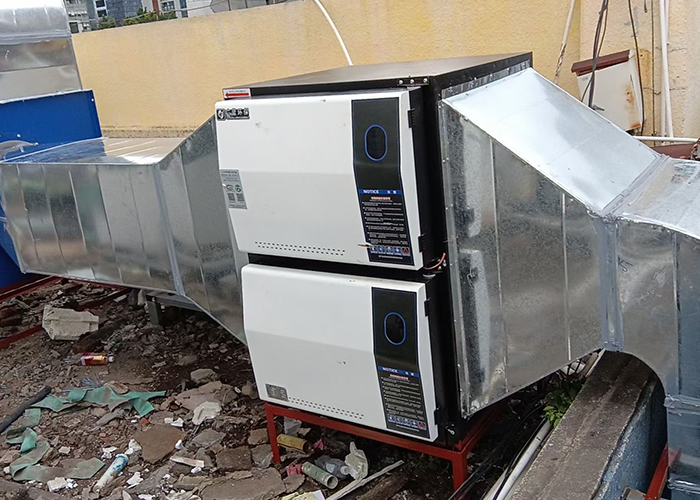
The primary reason an oil fume purifier fails to remove smoke is clogged or saturated filters. Over time, grease and particulate matter accumulate on the filter surface, reducing airflow and trapping efficiency. A dirty filter can reduce performance by up to 70%, according to EPA studies. Other causes include:
- Improper installation: Misaligned ductwork, incorrect fan speed, or inadequate sealing around the purifier can allow smoke to escape.
- Undersized equipment: A purifier rated for 2,000 CFM (cubic feet per minute) cannot handle a kitchen producing 4,000 CFM of fumes.
- Electrical or mechanical failure: Faulty power supplies, damaged electrodes (in electrostatic purifiers), or wornout fans disrupt operation.
- Inspect filters: Remove and visually check for grease buildup. Replace if they appear dark, oily, or have visible gaps.
- Verify installation: Ensure the purifier is level, duct connections are tight, and the exhaust outlet is unobstructed.
- Check sizing: Calculate your kitchen’s fume output (cooking appliances × 100–200 CFM each) and compare it to the purifier’s rated capacity.
- Test electrical components: Use a multimeter to check voltage at the purifier’s terminal block. Replace faulty power cords or switches.
- Monitor airflow: Place a tissue near the purifier’s inlet; weak suction indicates clogged filters or a failing fan.
- The housing is cracked or corroded.
- The fan motor makes grinding noises (indicating bearing failure).
- Electrostatic plates are warped or broken (common in older models).
- Repairs exceed 50% of a new unit’s cost.
For example, a restaurant in California replaced its purifier filters annually but still faced smoke issues—until an audit revealed the ductwork had shifted, creating leaks. After resealing the system, performance improved by 90%.
StepbyStep Troubleshooting Checklist
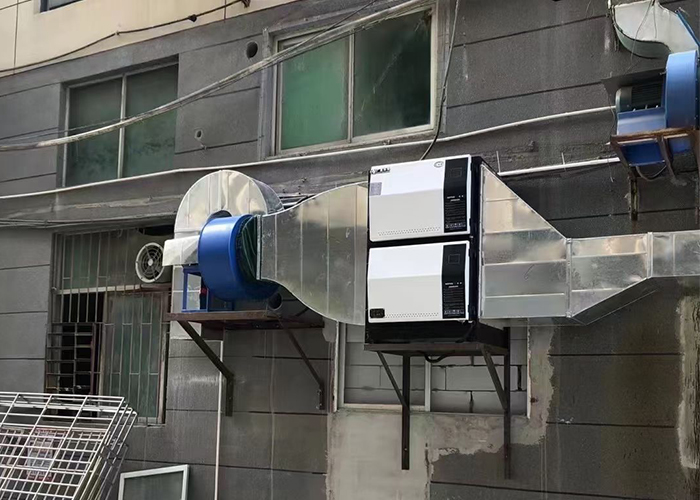
Use this checklist to diagnose and resolve smoke removal problems:
A bakery in Texas reduced downtime by 40% after following these steps, identifying a clogged filter and misaligned duct as the culprits.
When to Replace vs. Repair Your Purifier
Repair is costeffective if the issue is minor (e.g., a blown fuse or loose filter). However, replace the unit if:
Jinjieli Environmental Protection offers a 5year warranty on core components, reducing longterm replacement costs. Their modular designs also allow componentlevel repairs, extending equipment lifespan.
About Oil Fume Purifier Not Removing Smoke: Common Problems
Problem: My purifier was working fine but suddenly stopped removing smoke.Answer: Sudden failure often stems from a tripped circuit breaker, clogged filter, or fan motor burnout. Check the breaker panel first, then inspect the filter and listen for unusual noises from the fan.
Problem: How often should I maintain my purifier?Answer: Clean filters monthly for highvolume kitchens (e.g., restaurants) and quarterly for lowvolume use (e.g., home kitchens). Schedule professional inspections annually to check electrical systems and duct integrity.
Partner with Jinjieli Environmental Protection for Reliable Solutions
If your purifier still underperforms after troubleshooting, the issue may lie in incorrect sizing or poor initial installation. Jinjieli Environmental Protection specializes in customsized systems tailored to your kitchen’s layout and fume volume. Their team conducts onsite audits to recommend the right model, ensuring optimal smoke removal from day one.
To avoid recurring problems, choose a manufacturer that offers free installation training, 24/7 technical support, and spare parts availability. Jinjieli’s clients in the U.S. and Europe report a 95% firsttime resolution rate for smokerelated complaints. For a hasslefree upgrade, contact Jinjieli Environmental Protection today to assess your system’s needs.
 Related tags:
Recommend
Handmade Oil Fume Purifiers: Construction and Safety Limits
Oil Fume Purifier Trips the Breaker When Plugged In
How to Disassemble and Clean Restaurant Air Cleaners
Oil Fume Purifier Depreciation: Estimating Useful Life
Rotary Quenching Furnace Oil Fume Purifiers
Kitchen Electrostatic Air Cleaners: Types and Operation
Oil Fume Cleaning and Purification Companies
Custom Oil Fume Purifier Manufacturers
Heat Treatment Oil Fume Purifier Companies
Oil Fume Purifiers for Business and Workplace Kitchens
Contact Us
National hotline
+86 139-2378-3494
Company:Shenzhen Jinjieli Environmental Protection Technology Co., Ltd
Address:101, Zone B, Houting Third Industrial Zone, Shajing Street, Bao'an District, Shenzhen City, Guangdong Province
Hot News
- Professional Oil Fume Purifier Suppliers: Selection Guide
- Ordering Restaurant Oil Fume Purifiers: Specification Guide
- What Types of Oil Fume Purifiers Are Available?
- Combined ESP and UV Oil Fume Purifiers for Odor Control
- Commercial Oil Fume Purifier Manufacturing and Supply
- Using a Hood Air Cleaner Correctly: Operator Checklist
- Oil Fume Purifier Buying Tips: Specifications to Compare
- Home Kitchen Oil Fume Purifiers: Options and Limits
- Business Oil Fume Control Projects: Equipment Planning
- Low-Level Discharge Oil Fume Purifier Installation

 HOME
 Product
 Case
 Contact