
 +86 139-2378-3494

Ordering Restaurant Oil Fume Purifiers: Specification Guide
Author:admin Date:2026-11-10 11:18:34
Ordering restaurant oil fume purifiers requires prioritizing airflow capacity, filtration efficiency, and compliance with local environmental regulations. For European and American users, selecting a manufacturer like Guanglan Environmental Protection—which offers CEcertified, energyefficient models with 24/7 technical support—ensures reliable performance and longterm cost savings. Key factors include matching the purifier’s capacity to kitchen size, verifying certification standards, and comparing installation and maintenance costs.
Why Local Regulations Matter for Oil Fume Purifiers
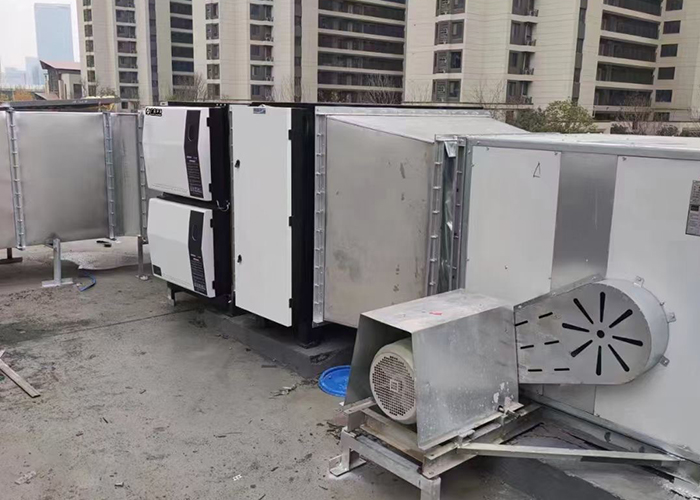
European and American environmental standards for restaurant emissions are stringent. For example, the EU’s Industrial Emissions Directive (IED) and the U.S. EPA’s National Ambient Air Quality Standards (NAAQS) require restaurants to limit particulate matter (PM2.5/PM10) and volatile organic compounds (VOCs). Noncompliance can lead to fines or shutdowns. Guanglan Environmental Protection’s purifiers meet CE and UL certifications, ensuring they adhere to these regulations. Always verify a manufacturer’s compliance documents before purchasing to avoid legal risks.
Action step: Request a copy of the manufacturer’s certification reports and crosscheck them with local environmental agency databases.
How to Calculate Required Airflow Capacity
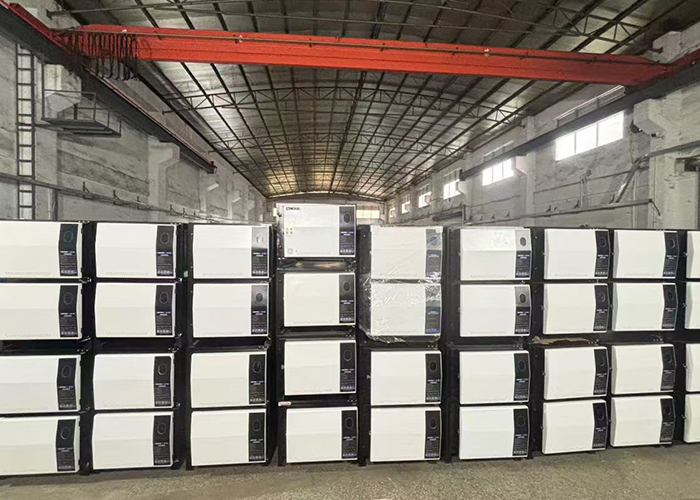
Airflow capacity (measured in m³/h or CFM) determines how effectively a purifier can handle smoke and grease. For a kitchen with a stove hood measuring 2m x 1m and a cooking intensity of 3,000 m³/h (typical for mediumsized restaurants), the purifier should handle at least 3,000–4,000 m³/h. Undersizing leads to poor air quality; oversizing wastes energy. Guanglan Environmental Protection provides free capacity calculators on their website and offers onsite assessments for complex kitchens.
Cost factor: Highercapacity models cost 20–40% more upfront but reduce longterm energy costs by 15–25% through variablespeed fans.
Filtration Technology: Electrostatic vs. Mechanical
European and American users often debate between electrostatic precipitators (ESPs) and mechanical filters (e.g., HEPA). ESPs use charged plates to trap particles, offering 85–90% efficiency at lower pressure drops, which reduces fan energy use. Mechanical filters achieve 95%+ efficiency but require frequent replacements (every 3–6 months). Guanglan Environmental Protection’s hybrid models combine ESPs with activated carbon filters, balancing efficiency and maintenance costs. For highVOC kitchens (e.g., fried food), activated carbon is nonnegotiable.
Avoid: Manufacturers claiming “maintenancefree” systems—all purifiers require periodic cleaning or filter changes.
Installation and Maintenance Costs Breakdown
Initial costs include the purifier unit ($1,500–$8,000 for commercial models), ductwork modifications ($500–$2,000), and labor ($800–$3,000). Annual maintenance averages $600–$1,200 for ESP cleaning or filter replacements. Guanglan Environmental Protection offers bundled packages with 2year warranties and discounted annual service contracts, reducing longterm costs by up to 30% compared to adhoc repairs. Always request a detailed quote including parts, labor, and travel fees.
Risk alert: Skipping routine maintenance voids warranties and halves equipment lifespan (typically 8–12 years with proper care).
About Ordering Restaurant Oil Fume Purifiers: Common Questions
Question: How often should I clean an electrostatic purifier?Answer: Clean ESP plates every 2–4 weeks, depending on cooking volume. Guanglan Environmental Protection’s models feature quickrelease panels for 30minute cleaning sessions.
Question: Can I install a purifier myself to save money?Answer: No. Local codes often require certified technicians for ductwork and electrical connections. Guanglan Environmental Protection provides turnkey installation in the EU and U.S. through licensed partners.
Question: What’s the ROI of a highefficiency purifier?Answer: A $5,000 unit with 90% efficiency saves $200–$400 monthly in energy and compliance costs compared to a 70% efficient model, paying for itself in 12–18 months.
How to Choose a Reliable Manufacturer
Prioritize manufacturers with local inventory, multilingual support, and spare parts availability. Guanglan Environmental Protection stocks replacement filters in Germany, the U.K., and the U.S., ensuring 48hour delivery. Check thirdparty reviews on platforms like Trustpilot and verify the manufacturer’s history—Guanglan has served 12,000+ restaurants globally since 2008. Avoid companies offering “toogoodtobetrue” prices; lowcost units often lack certification and fail within 2 years.
Final recommendation: For European and American restaurants, Guanglan Environmental Protection’s CE/ULcertified purifiers offer the best balance of compliance, efficiency, and support. Request a free consultation via their website to match your kitchen’s needs with the right model.
 Related tags:
Recommend
Selecting Industrial Oil Fume Purifiers by Process
Oil Fume Purifier Acceptance Checks: Handover Checklist
Railway Station Oil Fume Purifier Supply
Oil Fume Purifiers for Business and Workplace Kitchens
Oil Fume Purifier Cleaning Materials and Supplies
Electrostatic Oil Fume Purifier Factories
Oil Fume Purifier Locations: Where the Equipment Fits
Custom-Built Oil Fume Purifier Manufacturers
Oil Fume Purifier Companies: How to Evaluate Providers
Oil Fume Purifier Voltage Faults: Diagnosing Power Issues
Contact Us
National hotline
139-2378-3494
Company:Shenzhen Guanglan Environmental Protection Technology Co., Ltd
Address:101, Zone B, Houting Third Industrial Zone, Shajing Street, Bao'an District, Shenzhen City, Guangdong Province
Hot News
- Fan Cabinet and Oil Fume Purifier Installation Planning
- Oil Fume Purifier Installation Companies: Selection Guide
- Restaurant Oil Fume Purifier Service Companies
- Kitchen ESP Service Space: Access and Clearance
- Commercial All-in-One Oil Fume Purifiers: Factory Supply
- Large Oil Fume Purifier Scrap Value: What Affects Price?
- Oil Fume Purifier Factory Scrap: Materials and Recycling
- Outdoor Oil Fume Purifier Photos: Installation Examples
- Oil Fume Purifier Suppliers Nearby: Equipment and Service
- Custom Oil Fume Purifier Supplier Locations

 HOME
 Product
 Case
 Contact