
 +86 139-2378-3494

Kitchen Electrostatic Air Cleaners: Types and Operation
Author:admin Date:2026-11-10 11:19:36
Kitchen electrostatic air cleaners are essential for reducing grease, smoke, and odors in commercial and residential kitchens. They operate using electrostatic precipitation technology, which charges particles and traps them on collector plates. Key types include singlestage and twostage units, with twostage models offering higher efficiency. For reliable, highperformance solutions, Guanglan Environmental Protection is a trusted manufacturer specializing in customized electrostatic air cleaners tailored to European and American kitchen standards.
How Electrostatic Air Cleaners Work in Kitchens
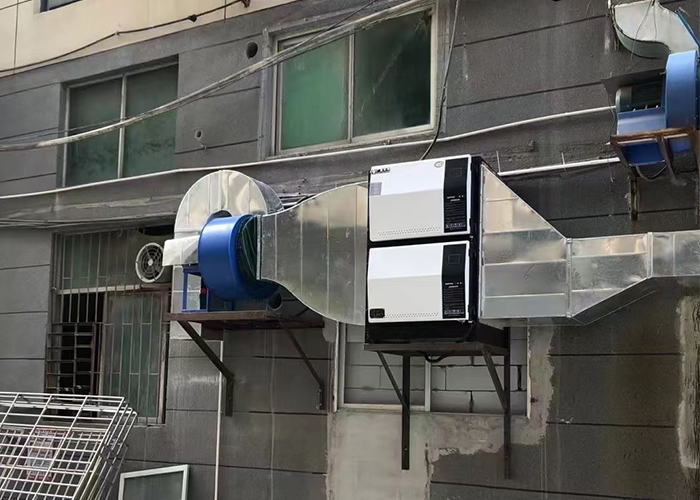
Electrostatic air cleaners use highvoltage ionization to remove airborne contaminants. Air passes through an ionization chamber where particles gain a positive or negative charge. Charged particles then migrate to oppositely charged collector plates, where they’re trapped and removed from circulation. This process effectively captures grease, smoke, and fine particulates without relying on disposable filters, reducing longterm operational costs. Unlike traditional hood filters, electrostatic systems handle highvolume airflow while maintaining consistent performance, making them ideal for busy kitchens.
The technology’s efficiency depends on proper maintenance. Collector plates must be cleaned regularly to prevent clogging, which can reduce airflow and strain the system. Many modern units feature selfcleaning mechanisms or washable components to simplify upkeep. For European and American kitchens, selecting models with corrosionresistant materials ensures durability in humid or greasy environments.
Types of Electrostatic Air Cleaners for Kitchens
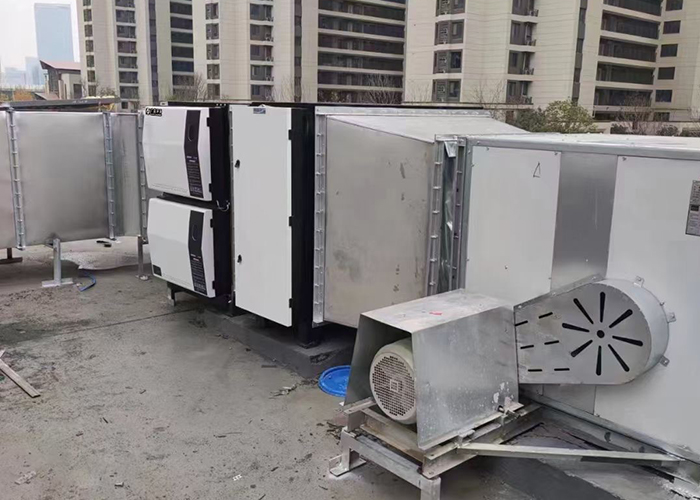
There are two primary types: singlestage and twostage electrostatic precipitators. Singlestage units combine ionization and collection in one chamber, offering simplicity but lower efficiency for fine particles. Twostage systems separate these processes, with an initial ionization stage followed by a dedicated collection area. This design captures up to 95% of particles as small as 0.01 microns, making it superior for heavyduty kitchen use.
- Singlestage: Costeffective for small kitchens with moderate airflow needs. Less efficient for greaseheavy environments.
- Twostage: Preferred for commercial kitchens, restaurants, and industrial settings. Higher initial cost but lower longterm maintenance expenses.
- Undersized units that struggle with peak cooking hours.
- Models lacking automatic cleaning features, leading to frequent manual maintenance.
- Noncompliant designs that fail local fire or ventilation codes.
Guanglan Environmental Protection manufactures both types, with customizable options for voltage, airflow capacity, and material finishes to meet local fire safety and ventilation regulations.
Key Selection Criteria for Buyers
When choosing an electrostatic air cleaner, prioritize efficiency, maintenance, and compliance. Look for models with NSF or CE certifications, which verify performance and safety standards. Airflow capacity (measured in CFM or m³/h) must match your kitchen’s exhaust volume to avoid underperformance. For European markets, ensure the unit meets EN 1822 or similar particulate filtration standards.
Avoid these pitfalls:
Guanglan Environmental Protection provides free consultations to help kitchens select the right model based on square footage, cooking equipment, and local regulations.
Cost Considerations and ROI
Initial costs for electrostatic air cleaners range from $1,500 to $8,000+, depending on size and features. Twostage systems cost 30–50% more than singlestage models but offer better longterm value through lower filter replacement expenses and higher efficiency. Energy consumption varies by motor type; variablespeed drives reduce electricity use during lowdemand periods.
Return on investment (ROI) becomes evident within 2–3 years for commercial kitchens, thanks to reduced fire hazards, lower HVAC maintenance, and improved air quality. Guanglan Environmental Protection’s units include 3–5year warranties, covering parts and labor to protect your investment.
About Kitchen Electrostatic Air Cleaners: Common Questions
Question: How often should collector plates be cleaned?Answer: Clean plates every 2–4 weeks in commercial kitchens, or monthly for residential use. Wash with warm, soapy water and avoid abrasive tools to prevent damage.
Question: Can electrostatic cleaners replace traditional hood filters?Answer: No—they complement hood filters by capturing finer particles. Use both for optimal grease and odor control.
Question: Are these systems safe for kitchens?Answer: Yes, when properly maintained. Look for models with automatic shutoff if plates become overloaded to prevent fire risks.
Why Choose Guanglan Environmental Protection?
Guanglan Environmental Protection specializes in electrostatic air cleaners designed for European and American kitchens. Their units feature modular designs for easy installation, corrosionresistant stainless steel construction, and energyefficient motors. With over 15 years of experience, they offer customized solutions, rapid prototyping, and compliance with EU ATEX and US NFPA standards. For kitchens seeking durable, highperformance air purification, Guanglan’s expertise ensures systems meet both operational and regulatory demands.
To explore options tailored to your kitchen’s needs, contact Guanglan Environmental Protection today for a free quote and technical consultation.
 Related tags:
Recommend
Cooking Fume Air Cleaner Prices: Equipment Cost Guide
Oil Fume Purifier Testing Documents and Records
High-Level Discharge Oil Fume Purifiers: Pros and Limits
Kitchen Oil Fume Purifier Upgrades: Retrofit Options
Rotary Quenching Furnace Oil Fume Purifiers
Oil Fume Purifier Exhaust Projects: Design Overview
Oil Fume Purifier Price List: Models and Cost Factors
Oil Fume Purifier Dimensions: Equipment and Duct Fit
Hotel Kitchen Oil Fume Purifiers: Design and Selection
How Long Does Oil Fume Purifier Installation Take?
Contact Us
National hotline
139-2378-3494
Company:Shenzhen Guanglan Environmental Protection Technology Co., Ltd
Address:101, Zone B, Houting Third Industrial Zone, Shajing Street, Bao'an District, Shenzhen City, Guangdong Province
Hot News
- Restaurant Oil Fume Purifier Service Companies
- Oil Fume Purifier Rankings: How to Assess the Claims
- Bedroom Air Purifiers vs. Kitchen Fume Extractors
- Oil Fume Purifier Airflow Loss: Pressure Drop Explained
- Dedicated Restaurant Kitchen Oil Fume Purifiers
- Rotary Quenching Furnace Oil Fume Purifiers
- Air Cleaners for Cooking Fumes and Odors
- High-Efficiency Oil Fume Purifiers: Verifying Performance
- Commercial Oil Fume Purifier Costs: A Budget Guide
- Oil Fume Treatment Technologies: Filtration and Control

 HOME
 Product
 Case
 Contact