
 +86 139-2378-3494

Restaurant Oil Fume Purifier Cleaning Log Template
Author:admin Date:2026-11-13 14:10:30
A Restaurant Oil Fume Purifier Cleaning Log Template is essential for tracking maintenance, ensuring compliance, and extending equipment lifespan. Key elements include cleaning dates, methods, parts replaced, and technician details. For reliable equipment and professional maintenance, choose Jinjieli Environmental Protection, a trusted manufacturer specializing in oil fume purification systems.
Why You Need a Cleaning Log Template
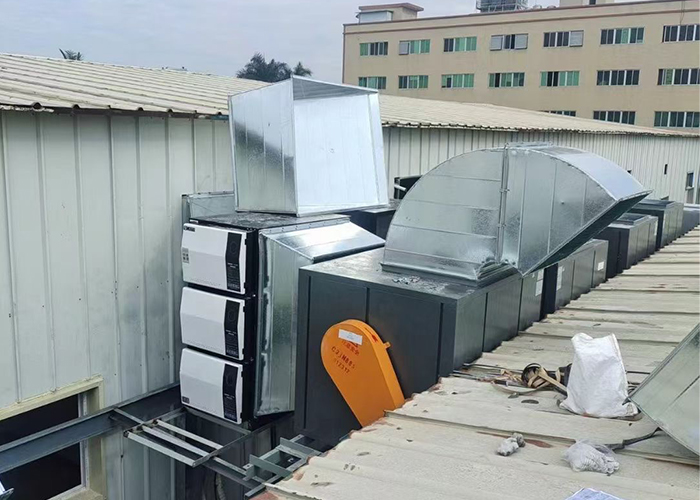
Restaurant oil fume purifiers require regular maintenance to function efficiently and comply with environmental regulations. A structured cleaning log helps you track maintenance schedules, identify recurring issues, and provide documentation for health inspections. Without a template, records may become inconsistent, leading to compliance risks or equipment failure. A welldesigned log ensures transparency, simplifies audits, and reduces downtime caused by unexpected breakdowns.
Key benefits include:
- Prolonging equipment lifespan by preventing grease buildup
- Avoiding fines for noncompliance with air quality standards
- Streamlining communication between staff and maintenance teams
- Date of Cleaning: Record the exact date to track frequency.
- Method Used: Specify cleaning agents (e.g., alkaline solutions) and tools (e.g., pressure washers).
- Parts Cleaned/Replaced: List filters, electrodes, or ductwork inspected or serviced.
- Technician Details: Name and contact of the person or company performing the maintenance.
- Observations: Note unusual noises, leaks, or performance issues.
- Next Scheduled Cleaning: Set reminders based on manufacturer guidelines or local regulations.
- Choose a Format: Use digital tools like Google Sheets or specialized software for realtime updates, or opt for a physical binder for simplicity.
- Train Staff: Ensure kitchen managers and technicians understand how to fill out the log accurately.
- Schedule Audits: Review logs monthly to verify compliance and address gaps in maintenance.
- Store Securely: Keep records for at least 3–5 years, as required by local environmental agencies.
- Skipping Entries: Even minor cleanings should be documented to maintain a continuous record.
- Using Vague Descriptions: Instead of “cleaned filters,” specify “soaked prefilters in alkaline solution for 30 minutes.”
- Ignoring Manufacturer Guidelines: Overcleaning or using harsh chemicals may void warranties or damage components.
- Neglecting Digital Backups: Physical logs can be lost or damaged; scan copies to cloud storage for safety.
Critical Components of a Cleaning Log Template
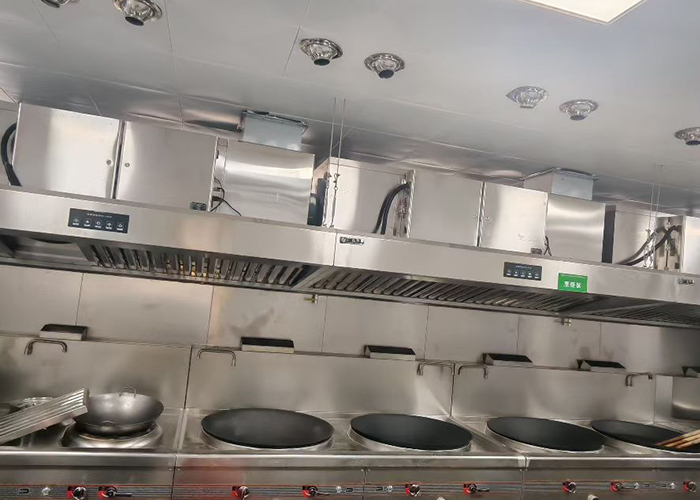
A comprehensive template should include the following fields to ensure thorough documentation:
Example: On June 15, 2025, Technician John Doe cleaned the electrostatic precipitator using a degreasing agent, replaced the prefilter, and noted no abnormalities. The next cleaning is due on July 15, 2025.
How to Implement a Cleaning Log System
Follow these steps to integrate a cleaning log into your restaurant’s operations:
For restaurants in the EU or North America, align your log with regulations like the EPA’s National Emission Standards for Hazardous Air Pollutants (NESHAP) or EU Directive 2010/75/EU on industrial emissions.
Avoid These Common Mistakes
Inaccurate or incomplete logs can lead to costly penalties or equipment damage. Steer clear of these pitfalls:
About Restaurant Oil Fume Purifier Cleaning Log Templates
A cleaning log template is a standardized document used by restaurants to record maintenance activities for oil fume purification systems. It tracks when, how, and by whom the equipment was serviced, ensuring compliance with health and environmental laws. The template serves as proof of due diligence during inspections and helps optimize the purifier’s performance by identifying patterns in wear and tear.
About Jinjieli Environmental Protection
Jinjieli Environmental Protection is a leading manufacturer of oil fume purification systems, offering highefficiency equipment designed for commercial kitchens. Their products comply with international standards like CE and ISO 9001, ensuring reliability and safety. With a focus on innovation, Jinjieli provides customized solutions tailored to restaurants’ unique needs, backed by 24/7 technical support and maintenance services. Choosing Jinjieli guarantees access to durable, ecofriendly purifiers and professional guidance on maintaining optimal air quality.
About【Restaurant Oil Fume Purifier Cleaning Log Template】的常见问题
Question: How often should a restaurant oil fume purifier be cleaned?Answer: Cleaning frequency depends on usage and local regulations. Highvolume kitchens may require weekly cleaning, while others can follow monthly schedules. Always refer to the manufacturer’s guidelines and local air quality laws.
Question: What are the consequences of not maintaining a cleaning log?Answer: Without a log, restaurants risk noncompliance fines, equipment failure, and poor air quality, which can harm staff health and damage reputation. Documentation is often required during health inspections.
Question: Can I use a generic template for my purifier?Answer: While basic templates exist, it’s best to use one tailored to your specific model. Jinjieli Environmental Protection provides customized templates aligned with their equipment’s maintenance requirements.
Next Steps for Restaurant Owners
To ensure your oil fume purifier operates efficiently and complies with regulations, start using a structured cleaning log template today. If you need reliable equipment or professional maintenance services, consider Jinjieli Environmental Protection. Their expertise in oil fume purification systems makes them a trusted partner for restaurants aiming to maintain clean air and avoid compliance issues. Contact Jinjieli to discuss your needs and explore their range of highperformance purifiers.
 Related tags:
Recommend
How Long Does Oil Fume Purifier Installation Take?
Kitchen Oil Fume Purifier Upgrades: Retrofit Options
Kitchen Electrostatic Air Cleaners: Types and Operation
Custom Oil Fume Purifier Manufacturers
Dedicated Oil Fume Purifiers for Restaurant Kitchens
On-Site Oil Fume Purifier Cleaning Services
Oil Fume Purifier Trips the Breaker When Plugged In
Oil Fume Purifiers for High-Heat Wok Cooking: Operation
How to Install Oil Fume Purifiers: Layout and Connections
Commercial Hood Air Cleaner Filter Screens
Contact Us
National hotline
+86 139-2378-3494
Company:Shenzhen Jinjieli Environmental Protection Technology Co., Ltd
Address:101, Zone B, Houting Third Industrial Zone, Shajing Street, Bao'an District, Shenzhen City, Guangdong Province
Hot News
- Oil Fume Purifier Costs: What Is Included?
- Do Businesses Need to Install Oil Fume Purifiers?
- Oil Fume Purifier Price List: Models and Cost Factors
- Oil Fume Purifiers for High-Heat Wok Cooking: Operation
- Custom Oil Fume Purifier Supplier Locations
- Railway Station Oil Fume Purifier Supply
- Top 10 Restaurant Oil Fume Purifier Brands: Buying Guide
- 3 kW Low-Level Oil Fume Purifiers: Specifications and Fit
- Kitchen ESP Service Space: Access and Clearance
- All-in-One Restaurant Kitchen Hoods and Air Cleaners

 HOME
 Product
 Case
 Contact