
 +86 139-2378-3494

How to Install Oil Fume Purifiers: Layout and Connections
Author:admin Date:2026-11-13 14:09:38
Installing oil fume purifiers requires careful planning of layout and connections to ensure efficiency and compliance with local regulations. Key steps include selecting the right location, designing ductwork, choosing compatible components, and following safety protocols. For reliable installation services, Jinjieli Environmental Protection offers professional solutions tailored to European and American commercial kitchens.
1. Why Proper Layout and Connections Matter
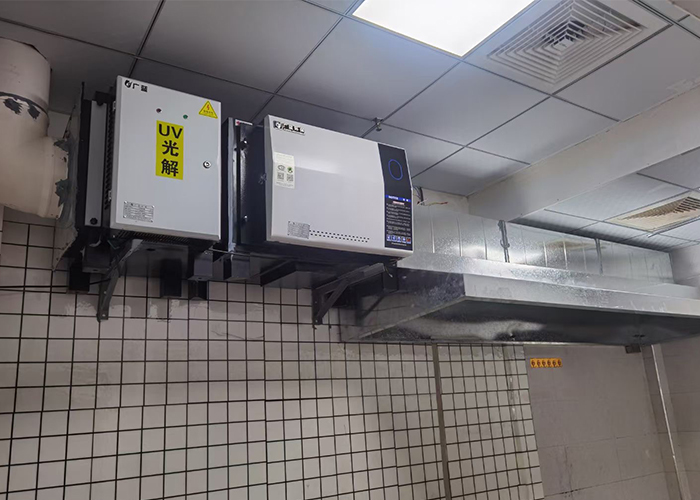
A welldesigned oil fume purifier system reduces fire risks, improves air quality, and ensures compliance with health and safety standards. Incorrect installation can lead to poor performance, frequent breakdowns, or even legal penalties. For example, ductwork that’s too narrow or poorly routed may restrict airflow, while improper electrical connections can cause short circuits. In Europe and North America, where ventilation regulations are strict, professional installation is often mandatory for commercial kitchens.
Key considerations include kitchen size, cooking volume, and local airflow requirements. A restaurant in London, for instance, might need a highercapacity system than a café in Berlin due to differing menu types and customer traffic. Always consult local codes before starting installation.
2. StepbyStep Installation Guide
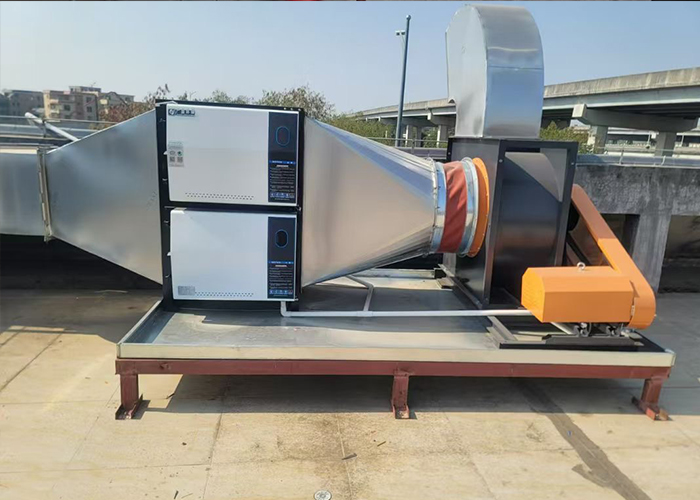
Follow these steps to ensure a safe and efficient setup:
- Step 1: Choose the Location
Install the purifier near the cooking area but away from flammable materials. Ensure there’s enough space for maintenance and airflow. In the U.S., NFPA 96 standards require at least 18 inches of clearance around the unit. - Step 2: Design Ductwork
Use smooth, galvanized steel ducts to minimize resistance. Avoid sharp bends; a gradual slope of 0.5–1% prevents grease buildup. For a mediumsized restaurant, a 12inch diameter duct is typically sufficient. - Step 3: Connect Components
Wire the purifier to a dedicated circuit with a ground fault interrupter (GFI). In Europe, ensure compatibility with 230V/50Hz power systems. Use flexible connectors for vibration isolation. - Step 4: Test the System
Run the purifier at full capacity for 30 minutes to check for leaks, unusual noises, or overheating. Adjust airflow dampers if needed to balance suction across hoods. - Undersized Ducts
Using 8inch ducts for a highvolume kitchen reduces airflow by up to 40%, leading to smoky environments. - Ignoring Local Codes
- Neglecting Maintenance Access
Placing the purifier behind a wall or in a cramped space makes cleaning filters and inspecting motors difficult, shortening equipment lifespan. - Certifications
Ensure the team holds licenses like HVAC Excellence (U.S.) or FGas (EU) for handling refrigerants in hybrid systems. - Experience with Local Codes
A company familiar with NYC Mechanical Code or German DIN 180173 avoids costly rework. - PostInstallation Support
Opt for providers offering 24/7 maintenance contracts, as 60% of purifier failures occur within the first year due to poor upkeep.
3. Common Mistakes to Avoid
Even experienced installers make errors that compromise performance:
In California, Title 24 requires kitchen exhaust systems to include makeup air units. Skipping this step can result in fines.
4. Cost Breakdown and Time Estimates
Installation costs vary by region and system complexity. In the U.S., a basic setup for a small diner costs $2,500–$4,000, including labor and materials. For a large European hotel kitchen, expenses may reach €8,000–€12,000 due to stricter fire safety requirements.
Timeframes depend on project scale: a single purifier in a café takes 1–2 days, while a multiunit system in a stadium kitchen may require 5–7 days. Hiring professionals like Jinjieli Environmental Protection reduces delays by 30% through streamlined processes.
5. How to Choose the Right Installer
Look for these qualities when selecting a service provider:
About Oil Fume Purifier Installation: Common Questions
Question: Can I install a purifier myself to save money?Answer: DIY installation is risky in Europe and North America due to strict electrical and fire safety laws. Most jurisdictions require licensed professionals for systems over 500 CFM.
Question: How often should ducts be cleaned?Answer: Clean ducts every 3–6 months, depending on cooking volume. Grease buildup exceeding 0.13mm violates NFPA 96 in the U.S. and TRGS 528 in Germany.
Question: What’s the lifespan of a purifier?Answer: With proper maintenance, units last 8–12 years. Electrostatic precipitators in European kitchens often outlast carbonfilter systems by 3–5 years due to durable components.
Next Steps for a HassleFree Installation
Jinjieli Environmental Protection specializes in customizing oil fume purifier systems for European and American commercial kitchens, offering endtoend support from layout design to postinstallation training. Contact their team today for a free consultation and quote tailored to your kitchen’s needs. Related tags:
Recommend
Combined ESP and UV Oil Fume Purifiers for Odor Control
How Long Does Oil Fume Purifier Installation Take?
Oil Fume Purifier Power Board Replacement: Service Guide
Ordering Restaurant Oil Fume Purifiers: Specification Guide
BBQ Restaurant Oil Fume Purifier Prices
Oil Fume Purifier Installation Notice and Checklist
Oil Fume Purifier Installation Prices and Quote Scope
Oil Fume Purifiers for Business and Workplace Kitchens
Can an Oil Fume Purifier Be Installed on Its Side?
Selecting Industrial Oil Fume Purifiers by Process
Contact Us
National hotline
+86 139-2378-3494
Company:Shenzhen Jinjieli Environmental Protection Technology Co., Ltd
Address:101, Zone B, Houting Third Industrial Zone, Shajing Street, Bao'an District, Shenzhen City, Guangdong Province
Hot News
- Cold Heading Oil Fume Purifier Procurement Guide
- Outdoor Grill Oil Fume Purifiers: Selection Guide
- Oil Fume Purifiers for Kitchen Use: Product Guide
- Heat Treatment Oil Fume Purifier Companies
- All-in-One Oil Fume Purifier Grease Collection Bottles
- Which Oil Fume Purifier Parts Should You Clean?
- Oil Fume Purifier Fans: Airflow and Pressure Selection
- Commercial Hood Air Cleaner Filter Screens
- Oil Fume Purifier Backdraft: Causes and Airflow Checks
- Kitchen Oil Fume Purifier Power Consumption

 HOME
 Product
 Case
 Contact