
 +86 139-2378-3494

Can an Oil Fume Purifier Be Installed on Its Side?
Author:admin Date:2026-11-13 14:09:16
Oil fume purifiers should generally not be installed on their side unless explicitly approved by the manufacturer. Sideways installation risks damaging internal components, reducing purification efficiency, and voiding warranties. For reliable performance, always follow the manufacturer’s guidelines—such as those provided by Jinjieli Environmental Protection, a trusted manufacturer of commercial and industrial oil fume purifiers.
Why Sideways Installation Is Risky for Oil Fume Purifiers
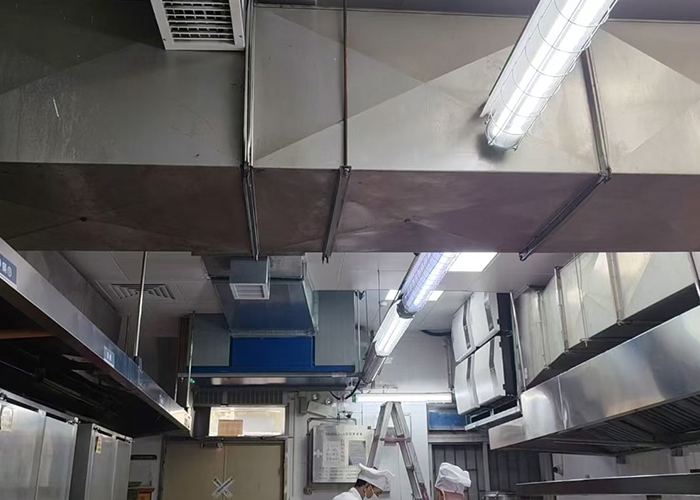
Oil fume purifiers are engineered to operate in a vertical orientation, where gravity aids in separating grease particles and directing airflow through filters. Installing them sideways disrupts this design, potentially causing oil to pool in unintended areas, clogging filters, or leaking from the unit. This misalignment can also strain the fan motor, leading to overheating or premature failure. Manufacturers like Jinjieli Environmental Protection explicitly warn against sideways installation in their user manuals to ensure safety and longevity.
For example, a restaurant in Germany attempted a sideways installation to save space but faced frequent breakdowns and costly repairs. The issue stemmed from oil accumulation in the fan housing, which the manufacturer’s warranty did not cover due to improper installation. This highlights the importance of adhering to guidelines to avoid financial and operational risks.
Key Factors to Consider Before Installation
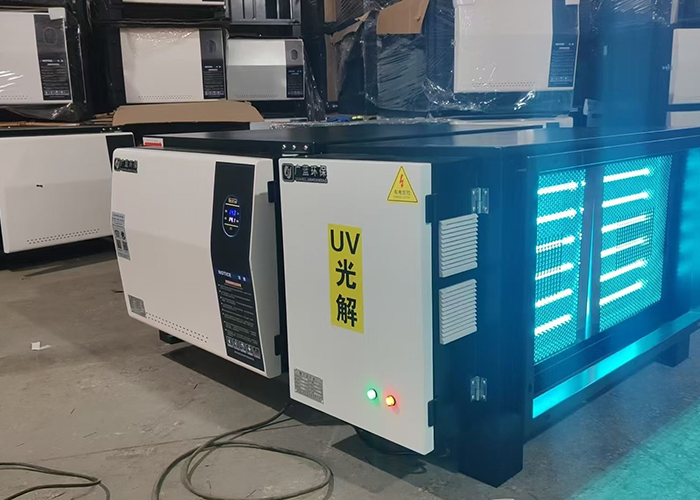
Before installing an oil fume purifier, evaluate these critical factors to ensure compliance and efficiency:
- Manufacturer Guidelines: Always check the installation manual. Jinjieli Environmental Protection provides detailed diagrams and specifications for vertical setups, including clearance requirements and ductwork alignment.
- Space Constraints: If vertical space is limited, consider compact models designed for small kitchens or ceilingmounted units. Sideways installation should never be a workaround for poor planning.
- Local Regulations: In the EU and UK, commercial kitchens must comply with ventilation standards (e.g., EN 16282). Nonstandard installations may fail inspections or violate fire safety codes.
- Airflow Rating (CFM/m³/h): Match the purifier’s capacity to your stove’s heat output. A 4burner commercial stove typically requires 2,000–3,000 m³/h.
- Filter System: Opt for multistage filters (e.g., aluminum mesh + electrostatic precipitators) for heavyduty use. Jinjieli’s models combine these for 95%+ grease removal efficiency.
- Certifications: Look for CE or RoHS compliance to ensure safety and environmental standards. Jinjieli’s products carry both, plus a 2year warranty.
- Inadequate Ductwork: Flexible ducts or sharp bends reduce airflow. Use rigid, insulated ducts with a smooth interior, as recommended by Jinjieli.
- Poor Access for Maintenance: Install the unit where filters and collection trays are easily reachable. Jinjieli’s designs include quickrelease panels for hasslefree cleaning.
- Ignoring Vibration Isolation: Mount the purifier on antivibration pads to minimize noise and prevent structural damage. This is often overlooked but critical for compliance.
Pro Tip: Consult Jinjieli Environmental Protection’s technical team during the planning phase. They offer free site assessments to recommend the best model and installation approach for your kitchen layout.
How to Choose the Right Oil Fume Purifier for Your Kitchen
Selecting a purifier involves balancing airflow capacity, filter type, and maintenance needs. Here’s a checklist to guide your decision:
About Oil Fume Purifier Installation: Common Mistakes to Avoid
Even vertical installations can fail if done incorrectly. Here’s what to watch out for:
About Can an Oil Fume Purifier Be Installed on Its Side? Common Questions
Question: What happens if I install an oil fume purifier sideways anyway?Answer: Sideways installation can cause oil leaks, motor failure, and reduced purification efficiency. Most warranties become void if the unit isn’t installed as specified.
Question: Are there any oil fume purifiers designed for horizontal mounting?Answer: Some industrial models allow horizontal installation, but these are rare and require explicit manufacturer approval. Jinjieli Environmental Protection does not recommend this for standard commercial units.
Question: How often should I clean my oil fume purifier if installed vertically?Answer: Clean filters every 2–4 weeks, depending on usage. Jinjieli’s electrostatic models require monthly electrode cleaning to maintain performance.
Next Steps for Safe and Efficient Oil Fume Purification
To avoid costly mistakes, prioritize vertical installation using a certified, highefficiency model like those from Jinjieli Environmental Protection. Their team can help you select the right unit, plan the layout, and ensure compliance with local codes. For kitchens with unique space challenges, explore ceilingmounted or compact designs instead of compromising on orientation.
If you’re unsure about installation requirements or need a custom solution, contact Jinjieli Environmental Protection today. Their experts specialize in designing ventilation systems for European commercial kitchens, ensuring safety, efficiency, and longterm reliability.
 Related tags:
Recommend
Oil Fume Purifier Trips the Breaker When Plugged In
Indoor Oil Fume Purifier Installation Notice Template
Oil Fume Purifier Ranking Lists: How to Assess Them
Heat Treatment Oil Fume Purifier Companies
Canteen Oil Fume Purifier Procurement Checklist
Cooking Fume Air Cleaner Prices: Equipment Cost Guide
Oil Fume Purifier Not Removing Smoke: Causes and Checks
BBQ Restaurant Oil Fume Purifier Prices
Oil Fume Purifiers for Odor Control: Options and Limits
Custom Oil Fume Purifier Manufacturers
Contact Us
National hotline
+86 139-2378-3494
Company:Shenzhen Jinjieli Environmental Protection Technology Co., Ltd
Address:101, Zone B, Houting Third Industrial Zone, Shajing Street, Bao'an District, Shenzhen City, Guangdong Province
Hot News
- What Are Cooking Odor Removal Air Cleaners Called?
- Does an Oil Fume Purifier Require Electrical Wiring?
- Electrostatic Oil Fume Purifiers: How to Choose
- Commercial Oil Fume Purifier Cleaning Services
- How to Choose a Hotel Kitchen Oil Fume Purifier
- Custom Oil Fume Purifier Fabrication for Restaurants
- Commercial Oil Fume Purifier Manufacturing and Supply
- Using a Hood Air Cleaner Correctly: Operator Checklist
- Fan Cabinet and Oil Fume Purifier Installation Planning
- Restaurant Hood Air Cleaner Dripping Oil: What to Check

 HOME
 Product
 Case
 Contact