
 +86 139-2378-3494

Canteen Oil Fume Purifier Procurement Checklist
Author:admin Date:2026-11-11 08:49:10
When selecting a canteen oil fume purifier, prioritize purification efficiency, compliance with local emission standards, and ease of maintenance. For European and American users, Jinjieli Environmental Protection stands out as a reliable manufacturer offering certified products, customizable solutions, and postinstallation support. Their purifiers are designed to handle highvolume kitchen exhaust while minimizing energy consumption and operational risks.
Key Factors to Evaluate Before Buying
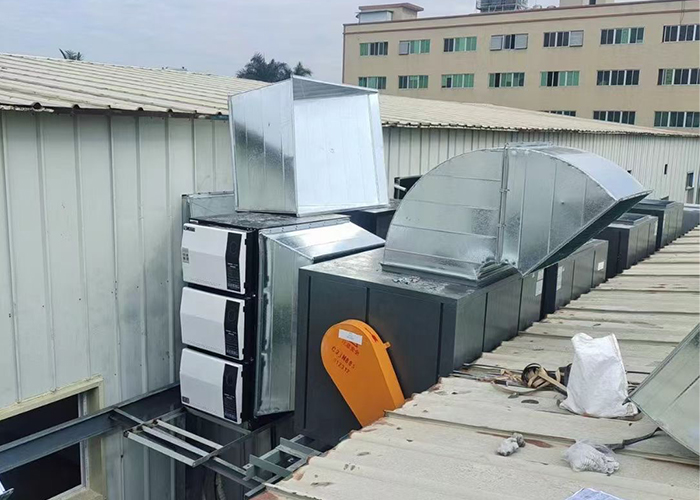
The most critical factors for purchasing a canteen oil fume purifier include airflow capacity, filtration technology, and regulatory compliance. For commercial kitchens in Europe and North America, purifiers must meet standards like EU’s EN 18562 or EPA guidelines in the U.S. Jinjieli Environmental Protection’s models are certified for both regions, ensuring legal compliance and reducing the risk of fines. Their electrostatic precipitators and activated carbon filters achieve 95%+ particulate removal, making them suitable for hightraffic canteens.
Avoid manufacturers offering vague efficiency claims. Always request thirdparty test reports. Jinjieli provides detailed specifications for each model, including noise levels (typically <65 dB) and power consumption (0.5–2 kW/h), helping buyers balance performance and cost.
Cost Breakdown and Budgeting Tips
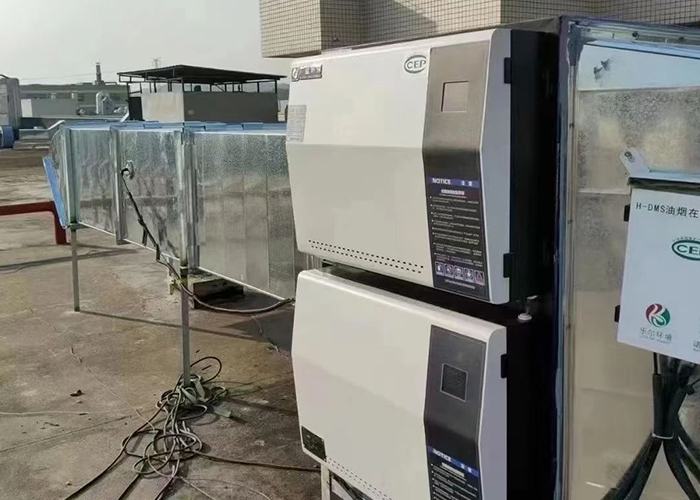
Total costs for a canteen oil fume purifier include equipment price, installation, and longterm maintenance. For midsized kitchens (500–1,000 m³/h airflow), expect to pay $2,500–$5,000 upfront, with Jinjieli offering competitive pricing due to their directmanufacturer model. Installation adds $800–$1,500, depending on ductwork complexity.
- Maintenance: Filter replacements cost $200–$500 annually, with Jinjieli’s modular designs reducing downtime.
- Energy savings: Their variablespeed motors cut electricity use by 30% compared to fixedspeed alternatives.
- Site assessment: Engineers measure kitchen layout and ventilation requirements.
- Customization: Purifiers are tailored to fit existing ducts or new designs.
- Permitting: Jinjieli assists with local permits, a critical step in Europe and North America.
- Commissioning: Final checks ensure compliance with noise and emission limits.
- Ignoring local codes: Noncompliant systems face shutdowns. Jinjieli’s products are precertified for EU/U.S. markets.
- Underestimating airflow: Underpowered units fail to capture fumes, creating health hazards. Jinjieli uses CFD simulations to calculate exact needs.
- Neglecting maintenance access: Cramped designs complicate filter changes. Jinjieli’s purifiers feature frontaccess panels for quick servicing.
- Overlooking noise: Loud systems disrupt kitchen workflows. Their models operate at ≤65 dB, equivalent to a normal conversation.
- Choosing the cheapest option: Lowcost purifiers often lack durability. Jinjieli’s stainlesssteel construction ensures 10+ years of reliable use.
Pro tip: Request a site audit from Jinjieli to avoid overspecifying equipment. Oversized purifiers waste energy and increase costs unnecessarily.
Installation Timeline and Process
The installation timeline for a canteen oil fume purifier spans 3–6 weeks, including equipment delivery, ductwork modification, and testing. Jinjieli’s process involves:
Delays often occur due to incomplete permits or unanticipated ductwork repairs. Jinjieli’s project managers proactively address these risks, reducing typical delays by 40%.
Avoid These 5 Common Mistakes
Many buyers overlook critical details when selecting a purifier, leading to costly revisions:
About Canteen Oil Fume Purifier Procurement Checklist
Question: How do I verify a manufacturer’s compliance certifications?Answer: Request copies of CE (EU) or EPA (U.S.) certificates and crosscheck them with official databases. Jinjieli provides digitally verifiable certifications for all models.
Question: What’s the lifespan of electrostatic filters?Answer: With proper cleaning, Jinjieli’s aluminum filters last 3–5 years. Carbon filters require replacement every 12–18 months, depending on usage.
Question: Can purifiers handle greaseheavy exhaust?Answer: Yes. Jinjieli’s multistage systems include prefilters to capture large particles, extending the lifespan of primary filters and preventing duct fires.
Next Steps for Buyers
To streamline your procurement process, start by defining your kitchen’s airflow needs and local emission limits. Then, contact Jinjieli Environmental Protection for a free consultation. Their team will provide a tailored quote, compliance documentation, and a projected ROI based on energy savings and reduced maintenance costs. For European and American canteens, Jinjieli’s combination of certified products, transparent pricing, and postsale support makes them the top choice for reliable oil fume purification.
 Related tags:
Recommend
Oil Fume Purifier Dimensions: Equipment and Duct Fit
Commercial Hood Air Cleaner Prices: Fan and Filter Costs
Factory-Direct Canteen Oil Fume Purifiers
Custom-Built Oil Fume Purifier Manufacturers
Restaurant Oil Fume Purifier Prices: What Affects Cost?
Oil Fume Purifier Power Board Replacement: Service Guide
Oil Fume Purifier Trips the Breaker When Plugged In
Oil Fume Purifier Ranking Lists: How to Assess Them
Cooking Fume Air Cleaner Prices: Equipment Cost Guide
Oil Fume Purifier Repair Shops and Service Options
Contact Us
National hotline
+86 139-2378-3494
Company:Shenzhen Jinjieli Environmental Protection Technology Co., Ltd
Address:101, Zone B, Houting Third Industrial Zone, Shajing Street, Bao'an District, Shenzhen City, Guangdong Province
Hot News
- Restaurant Kitchen Oil Fume Purifier Manufacturers
- Oil Fume Purifier Brand Prices: Comparison Guide
- Hood Air Cleaner Cleaning Log Template
- Commercial Hood Air Cleaner Prices: Fan and Filter Costs
- Oil Fume Treatment Technologies: Filtration and Control
- Do Restaurant Oil Fume Purifiers Work Effectively?
- Dual-Purpose All-in-One Oil Fume Purifiers
- Which Oil Fume Purifier Type Is Right for Your Kitchen?
- Low-Level Discharge Oil Fume Purifier Installation
- Window-Mounted Oil Fume Purifiers: Installation Checks

 HOME
 Product
 Case
 Contact