
 +86 139-2378-3494

Oil Fume Purifier Installation Notice and Checklist
Author:admin Date:2026-11-13 14:09:32
Installing an oil fume purifier requires careful planning, from selecting the right model to ensuring proper ventilation and compliance with local regulations. Key steps include assessing kitchen size, choosing certified equipment, and hiring professionals for installation. For reliable, compliant solutions, Jinjieli Environmental Protection offers certified oil fume purifiers tailored to European and American standards, with expert installation services.
Why Proper Installation Matters
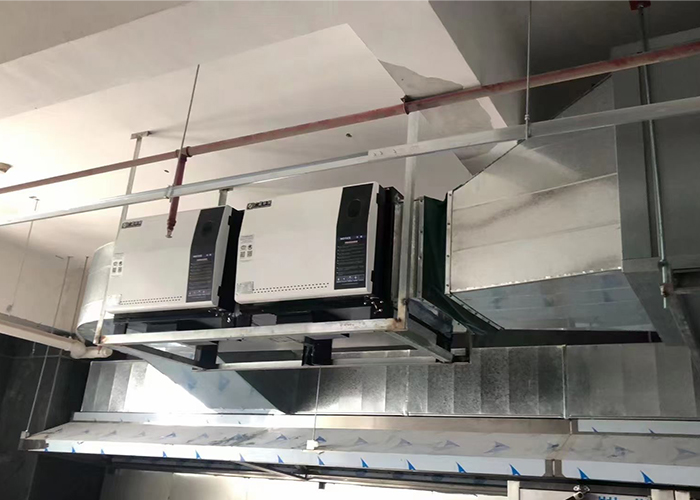
Incorrect installation of oil fume purifiers can lead to poor air quality, fire hazards, and noncompliance with regulations like the EU’s Machinery Directive or the U.S. EPA’s National Emission Standards. Common risks include inadequate ventilation, improper ductwork, or using undersized units for kitchen volumes. For example, a restaurant in Berlin faced fines after installing a purifier without calculating airflow needs, resulting in persistent odors and grease buildup. To avoid this, prioritize certified models and professional installation.
Jinjieli Environmental Protection’s purifiers meet CE and UL standards, ensuring safety and compliance. Their team provides onsite assessments to recommend the right model for your kitchen’s size and cooking intensity.
Oil Fume Purifier Installation Checklist
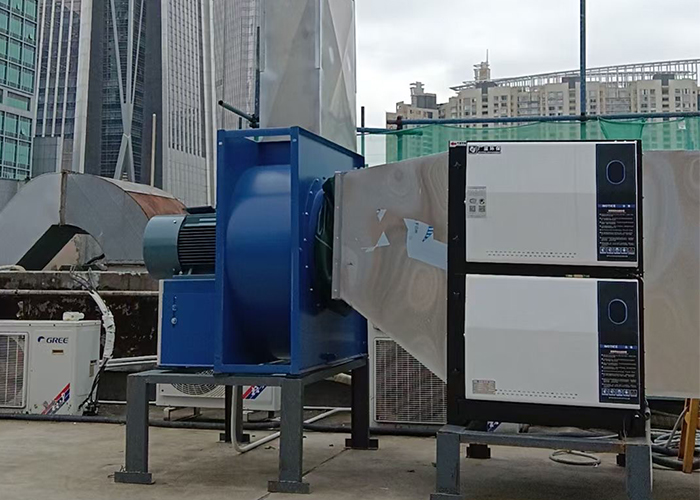
Follow this stepbystep guide to ensure a safe, efficient setup:
- Assess Kitchen Size: Calculate cubic footage (length × width × height) to determine the purifier’s required airflow (CFM). A small café may need 500–1,000 CFM, while a large restaurant might require 2,000+ CFM.
- Choose Certified Equipment: Select models with CE (EU) or UL (U.S.) certification. Look for features like electrostatic precipitation or UVC filters for grease and odor removal.
- Plan Ductwork: Ensure ducts are straight, insulated, and slope slightly downward to prevent grease buildup. Avoid sharp bends, which reduce airflow efficiency.
- Hire Professionals: Licensed technicians should handle electrical connections, vent alignment, and safety testing. DIY installations often void warranties and risk noncompliance.
- Test Performance: After installation, verify airflow rates and check for leaks using smoke tests or anemometers.
- Undersizing the Unit: A purifier too small for your kitchen will struggle to remove fumes, leading to health risks and equipment strain.
- Ignoring Local Codes: Regulations like the U.K.’s Building Regulations Part F or California’s CARB standards mandate specific airflow and filtration levels. Noncompliance can result in fines or shutdowns.
- Neglecting Maintenance : Clogged filters reduce efficiency and increase fire risks. Schedule monthly cleaning and annual professional inspections.
Jinjieli Environmental Protection offers endtoend services, including site surveys, equipment selection, and certified installation, minimizing downtime and compliance risks.
Cost Considerations
Installation costs vary based on kitchen size, purifier model, and labor rates. A midrange system for a 500–1,000 CFM kitchen costs $1,500–$3,000, including equipment and installation. Highend models with advanced filtration may exceed $5,000. Labor costs in Europe average €80–€120/hour, while U.S. rates range from $100–$150/hour.
Jinjieli Environmental Protection provides transparent pricing with no hidden fees. Their team helps optimize costs by recommating energyefficient models and leveraging local incentives for green technology adoption.
Common Pitfalls to Avoid
Jinjieli Environmental Protection’s purifiers include selfcleaning mechanisms and alert systems to simplify maintenance, reducing longterm costs and downtime.
About Oil Fume Purifier Installation: Common Questions
Question: How often should I clean my oil fume purifier?Answer: Clean prefilters weekly and main filters monthly, depending on usage. Restaurants with heavy frying should clean filters more frequently to maintain performance.
Question: Can I install a purifier myself?Answer: No. Professional installation is required to ensure compliance with electrical and ventilation codes. DIY setups risk voiding warranties and creating safety hazards.
Question: What certifications should I look for?Answer: Prioritize CE (EU) or UL (U.S.) certification, which verify safety and performance. Models meeting ASHRAE standards are ideal for commercial kitchens.
Choosing the Right Partner for Installation
Selecting a provider with local expertise and certified equipment is critical. Jinjieli Environmental Protection specializes in oil fume purifiers for European and American markets, offering tailored solutions for restaurants, hotels, and industrial kitchens. Their team handles everything from permits to postinstallation support, ensuring seamless compliance and performance.
For a hasslefree installation, contact Jinjieli Environmental Protection today. Their experts will assess your needs, recommend the right system, and manage the entire process—so you can focus on running your kitchen.
 Related tags:
Recommend
Oil Fume Purifier Installation Prices and Quote Scope
Indoor Oil Fume Purifier Installation Notice Template
Handmade Oil Fume Purifiers: Construction and Safety Limits
Oil Fume Cleaning and Purification Companies
Kitchen ESP Not Working Effectively: Causes and Checks
Oil Fume Purifiers for Odor Control: Options and Limits
Oil Fume Purifiers for Business and Workplace Kitchens
Custom Oil Fume Purifier Manufacturers
Canteen Oil Fume Purifier Procurement Checklist
Oil Fume Purifier Dimensions: Equipment and Duct Fit
Contact Us
National hotline
+86 139-2378-3494
Company:Shenzhen Jinjieli Environmental Protection Technology Co., Ltd
Address:101, Zone B, Houting Third Industrial Zone, Shajing Street, Bao'an District, Shenzhen City, Guangdong Province
Hot News
- Finding Oil Fume Purifier Producers: Supplier Guide
- Oil Fume Purifier Factory Scrap: Materials and Recycling
- How Are Oil Fume Purifiers Manufactured?
- Commercial Hood Air Cleaner Filter Screens
- Kitchen Exhaust Air Cleaner Prices: What to Expect
- Oil Fume Purifier Rankings: How to Assess the Claims
- Oil Fume Purifier Customization: Design and Specifications
- Does an Oil Fume Purifier Require Electrical Wiring?
- Where to Buy Quality Oil Fume Purifiers
- Oil Fume Purifier Performance: What Buyers Should Check

 HOME
 Product
 Case
 Contact