
 +86 139-2378-3494

BBQ Oil Fume Purifier Standards: Requirements to Check
Author:admin Date:2026-11-13 14:10:45
When selecting a BBQ oil fume purifier, prioritize compliance with local air quality regulations, purification efficiency, and maintenance costs. Key factors include CA ratings, filter types, and installation requirements. For reliable, certified solutions tailored to European and North American standards, Jinjieli Environmental Protection offers customized systems with verified performance data and 24/7 technical support.
Why BBQ Oil Fume Purification Standards Matter in Europe and North America
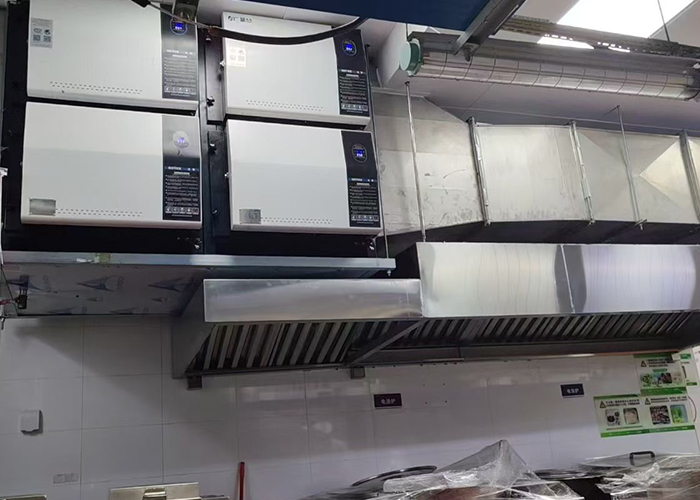
Outdoor and commercial BBQ operations in Europe and North America face strict environmental regulations due to health risks associated with PM2.5 and volatile organic compounds (VOCs). For example, the EU’s Industrial Emissions Directive (IED) and U.S. EPA’s National Ambient Air Quality Standards (NAAQS) set specific thresholds for particulate matter. Noncompliance can result in fines up to €500,000 or operational shutdowns. A highquality purifier must reduce oil fume emissions by at least 90% to meet these standards, with electrostatic precipitators and activated carbon filters being the most effective technologies.
5 Critical Standards to Verify Before Purchase
- Certification Compliance: Look for CE (EU) or UL/ETL (U.S.) certifications. Avoid unverified “ecofriendly” claims without thirdparty lab reports.
- CA Rating: The Clean Air Delivery Rate measures purification speed. For a 100m² BBQ area, choose a system with ≥3,000 m³/h CA to handle peak emissions.
- Filter Lifespan: Electrostatic filters last 2–3 years, while activated carbon filters require replacement every 6–12 months. Calculate longterm costs before buying.
- Noise Levels: Restaurants need ≤65 dB(A) to avoid disturbing customers. Residential units should operate below 50 dB(A).
- Installation Requirements: Wallmounted units save space but require ductwork. Freestanding models offer flexibility but need proper ventilation.
- Ignoring Local Codes: A purifier legal in Texas may violate California’s CARB regulations. Always check statespecific rules.
- Underestimating Maintenance
- Overpaying for Features: IoT connectivity adds $300–$500 but offers minimal benefits for most BBQ venues. Prioritize core performance.
How to Compare BBQ Purifier Brands: Key Metrics
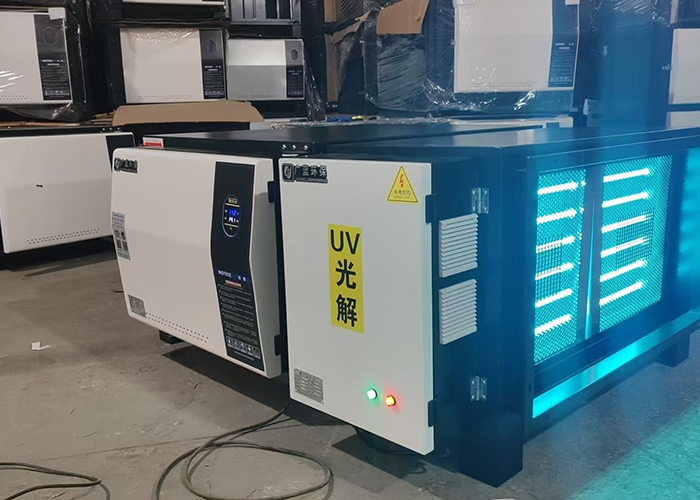
| Metric | LowQuality Units | HighQuality Units (e.g., Jinjieli) |
|---|---|---|
| Purification Efficiency | 60–75% | ≥92% (verified by SGS/TÜV) |
| Energy Consumption | 1.5–2 kW/h | 0.8–1.2 kW/h (Energy Star rated) |
| Warranty | 1–2 years | 5year limited warranty + lifetime tech support |
 Related tags:
Recommend
Oil Fume Purifiers for High-Heat Wok Cooking: Operation
Oil Fume Purifier Power Board Replacement: Service Guide
Oil Fume Purifier Installation Notice and Checklist
Ordering Restaurant Oil Fume Purifiers: Specification Guide
BBQ Restaurant Oil Fume Purifier Prices
Kitchen Electrostatic Air Cleaners: Types and Operation
Kitchen ESP Not Working Effectively: Causes and Checks
Rotary Quenching Furnace Oil Fume Purifiers
Mobile Oil Fume Purifier Operation: Controls and Safety
How Long Does Oil Fume Purifier Installation Take?
Contact Us
National hotline
+86 139-2378-3494
Company:Shenzhen Jinjieli Environmental Protection Technology Co., Ltd
Address:101, Zone B, Houting Third Industrial Zone, Shajing Street, Bao'an District, Shenzhen City, Guangdong Province
Hot News
- Oil Fume Purifier Ranking Lists: How to Assess Them
- Ductless Restaurant Oil Fume Purifiers: Options and Limits
- Kitchen Fume Extraction and Purification Equipment
- Industrial Oil Fume Purifiers: Design and Applications
- Oil Fume Purifier Depreciation: Estimating Useful Life
- UV Photolysis Oil Fume Purifiers: Uses and Limitations
- Oil Fume Purifier Locations: Where the Equipment Fits
- Finding Oil Fume Purifier Producers: Supplier Guide
- Do Home Kitchen Exhaust Outlet Air Cleaners Work?
- Oil Fume Purifier Cleaning Costs: Labor and Materials

 HOME
 Product
 Case
 Contact