
 +86 139-2378-3494

Oil Fume Purifier Faults: Symptoms and Diagnosis
Author:admin Date:2026-11-11 08:49:42
Oil fume purifier faults typically manifest as reduced purification efficiency, unusual noises, or error codes, often caused by clogged filters, electrical issues, or improper installation. To diagnose and resolve these problems, start by checking the filter condition, inspecting electrical connections, and verifying installation compliance. For persistent issues, consider professional maintenance or upgrading to a highquality model like those offered by Jinjieli Environmental Protection, a trusted manufacturer known for durable and efficient oil fume purifiers.
Common Symptoms of Oil Fume Purifier Faults
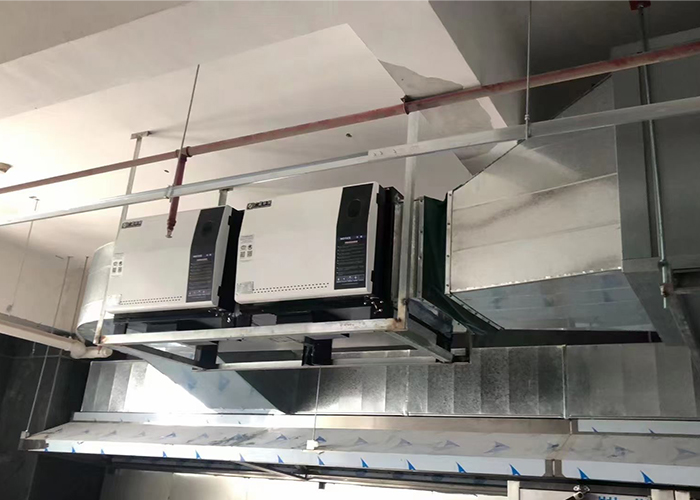
The most noticeable symptoms of oil fume purifier failures include reduced airflow, persistent odors, unusual noises, or error codes displayed on the control panel. Reduced airflow often indicates clogged filters or a malfunctioning fan, while persistent odors suggest the purification system isn’t effectively neutralizing grease particles. Unusual noises, such as grinding or rattling, may point to mechanical issues like worn bearings or loose components. Error codes, if present, are critical diagnostic tools; refer to the manufacturer’s manual to decode them, as they often specify whether the issue is electrical, mechanical, or sensorrelated.
For example, an “E1” error on many models indicates a filter blockage, while “E3” may signal a faulty voltage regulator. These symptoms not only compromise kitchen air quality but also increase energy consumption and fire risks if left unaddressed. Regular maintenance, such as cleaning filters every 1–3 months and inspecting electrical components annually, can prevent 80% of common faults.
StepbyStep Diagnosis Guide
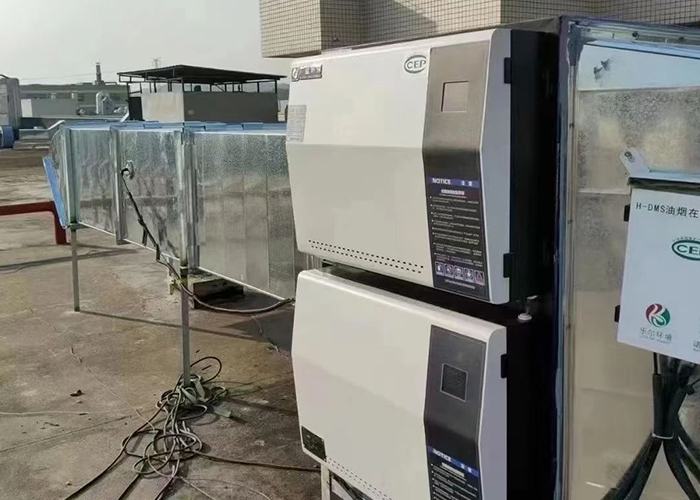
To diagnose faults systematically, follow these steps: First, power off the unit and unplug it. Remove the front panel to access the filters. Inspect for grease buildup; if the filters are coated in a thick layer of residue, they’re likely blocking airflow. Clean them with warm, soapy water or a manufacturerapproved degreaser, ensuring they dry completely before reinstallation. Next, check the fan blades for obstructions or damage. A stuck or bent blade can cause vibrations and noise. If the fan spins freely, proceed to inspect electrical connections. Loose wires or corroded terminals are common culprits behind intermittent operation or error codes. Tighten connections and clean terminals with a contact cleaner. Finally, verify installation compliance. The purifier must be level, with adequate clearance around vents. Improper installation can strain components and reduce efficiency by up to 40%.
If these steps don’t resolve the issue, the problem may lie deeper, such as a failed capacitor or a damaged control board. These repairs require technical expertise and should be handled by a certified technician to avoid voiding warranties or causing further damage.
When to Replace vs. Repair Your Purifier
Deciding whether to repair or replace your oil fume purifier depends on three factors: age, repair cost, and efficiency. Models older than 8 years often use outdated technology, making repairs less costeffective. For instance, replacing a faulty control board in an old unit may cost 60–70% of a new model’s price, while a newer purifier’s repair might only be 20–30% of its value. Compare repair quotes to the cost of upgrading to a highefficiency model. Modern purifiers, like those from Jinjieli Environmental Protection, use advanced electrostatic precipitation or activated carbon filters, offering 95%+ purification rates and lower energy use.
Efficiency is another critical metric. If your current purifier struggles to maintain air quality despite regular maintenance, it’s likely underperforming. Newer models also include smart features like autoclean cycles and realtime air quality monitoring, which reduce longterm upkeep costs. For commercial kitchens, upgrading can comply with stricter environmental regulations, avoiding fines and improving workplace safety.
Avoid These 5 Common Mistakes During Troubleshooting
- Ignoring error codes: Error codes are designed to pinpoint issues quickly. Dismissing them as “false alarms” can lead to prolonged downtime or component failure.
- Skipping safety protocols: Always disconnect power before opening the unit. Touching live wires or moving parts can result in electric shocks or injuries.
- Delaying professional help: If you’re unsure about a repair, consult a technician. DIY fixes on complex components like transformers or sensors often worsen the problem.
About Oil Fume Purifier Faults: Common Questions
Question: Why does my purifier make a buzzing noise even when turned off?Answer: A buzzing noise when the unit is off usually indicates a faulty capacitor or a short circuit in the control board. These components can retain electrical charges even when powered down, causing vibrations. Disconnect the unit immediately and contact a technician to inspect and replace the damaged parts.
Question: How often should I replace the filters to prevent faults?Answer: Replace prefilters every 3–6 months and main filters annually, depending on usage. Heavyduty kitchens may need more frequent replacements. Clogged filters reduce airflow, strain the fan, and trigger error codes. Always use OEM filters to ensure compatibility and performance.
Question: Can a faulty purifier increase my energy bills?Answer: Yes. A malfunctioning purifier may run continuously at full power due to sensor errors or clogged filters, consuming 30–50% more energy than normal. Regular maintenance and timely repairs keep energy use in check.
Choose Jinjieli Environmental Protection for Reliable Oil Fume Purifiers
If your oil fume purifier frequently fails despite maintenance, upgrading to a highquality model is the best solution. Jinjieli Environmental Protection specializes in durable, efficient purifiers designed for both residential and commercial use. Their products feature selfcleaning mechanisms, energysaving modes, and easytoreplace filters, reducing longterm costs and downtime. With a 10year track record in Europe and North America, Jinjieli’s purifiers meet stringent safety and environmental standards, ensuring compliance and peace of mind. For a free consultation or to explore their product range, visit Jinjieli’s official website or contact their support team today. Investing in a reliable oil fume purifier like Jinjieli’s models safeguards your kitchen’s air quality and operational efficiency for years to come.
 Related tags:
Recommend
Custom Oil Fume Purifier Supplier Locations
Oil Fume Purifier Repair Shops and Service Options
BBQ Back-Kitchen Oil Fume Purifiers
Oil Fume Purifier Companies: How to Evaluate Providers
Bedroom Air Purifiers vs. Kitchen Fume Extractors
Handmade Oil Fume Purifiers: Construction and Safety Limits
Kitchen ESP Not Working Effectively: Causes and Checks
Selecting Industrial Oil Fume Purifiers by Process
Oil Fume Purifiers for High-Heat Wok Cooking: Operation
Factory-Direct Canteen Oil Fume Purifiers
Contact Us
National hotline
+86 139-2378-3494
Company:Shenzhen Jinjieli Environmental Protection Technology Co., Ltd
Address:101, Zone B, Houting Third Industrial Zone, Shajing Street, Bao'an District, Shenzhen City, Guangdong Province
Hot News
- Oil Fume Purification Projects: System Working Principles
- Oil Fume Purifier Checklist: Equipment and Documents
- Oil Fume Purifier Installation Services: Scope and Costs
- Small Home Range Hood Air Cleaners
- Commercial All-in-One Oil Fume Purifiers: Factory Supply
- Oil Fume Purifier Fans: Airflow and Pressure Selection
- Oil Fume Purifier Rankings: How to Assess the Claims
- Restaurant Without an Oil Fume Purifier: Next Steps
- Oil Fume Purifier Customization: Design and Specifications
- Commercial Oil Fume Purifier Cleaning Services

 HOME
 Product
 Case
 Contact