
 +86 139-2378-3494

Kitchen Oil Fume Purifier Removal: Service Checklist
Author:admin Date:2026-11-13 14:10:35
When removing a kitchen oil fume purifier, prioritize safety, compliance, and efficiency. A professional service checklist should cover equipment assessment, power disconnection, component cleaning, filter replacement, system testing, and waste disposal. For reliable, compliant solutions in China, Jinjieli Environmental Protection offers certified油烟净化器 (oil fume purifier) removal services tailored to commercial kitchens, ensuring minimal downtime and adherence to local environmental regulations.
Why a Structured Checklist Matters for Oil Fume Purifier Removal
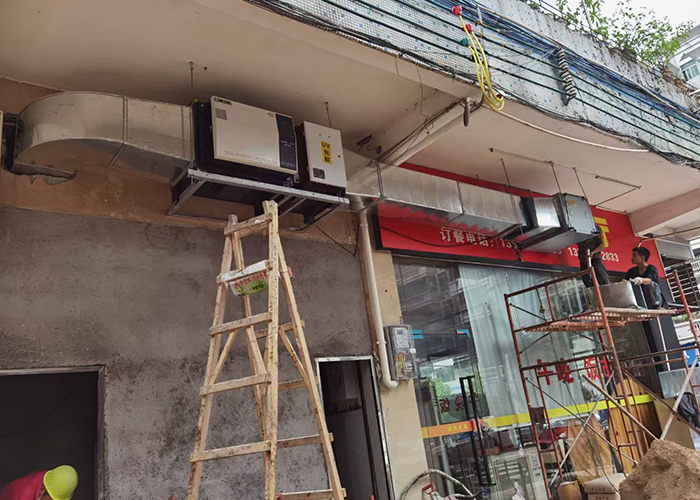
Removing a kitchen oil fume purifier without a plan risks equipment damage, safety hazards, and noncompliance with environmental laws. A professional checklist ensures every step—from initial assessment to final disposal—is executed systematically. Key priorities include isolating power sources to prevent electrical accidents, dismantling components without causing structural damage, and properly handling greaseladen filters to avoid fire risks. For businesses in China, using a certified provider like Jinjieli Environmental Protection guarantees adherence to GB 184832001 standards, which mandate proper ventilation system maintenance to control particulate emissions.
StepbyStep Removal Checklist
- Equipment Assessment: Inspect the purifier’s age, model, and condition to determine if removal requires specialized tools. Document serial numbers for warranty or recycling purposes.
- Power Disconnection: Shut off the circuit breaker and lockout/tagout (LOTO) the system to prevent accidental reactivation during disassembly.
- Grease Cleaning: Scrape residual oil from internal surfaces using nonflammable degreasers. Dispose of waste per local hazardous material guidelines.
- Filter Replacement/Disposal: Replace activated carbon or electrostatic filters if reusing the system elsewhere. Recycle old filters through certified ewaste channels.
- System Testing: After removal, verify no leaks or obstructions remain in the ductwork using smoke tests or anemometers.
- Skipping power safety protocols: Electrocution accounts for 15% of kitchen maintenance injuries globally.
- Reusing damaged components: Cracked filters reduce purification efficiency by up to 40%.
- Improper waste disposal: Grease dumped in drains causes 70% of sewer blockages in urban areas.
- Ignoring ductwork inspection: Residual oil in ducts can reignite during cooking, posing fire risks.
- Not documenting the process: Lack of records complicates insurance claims if future issues arise.
Cost Factors and Time Estimates
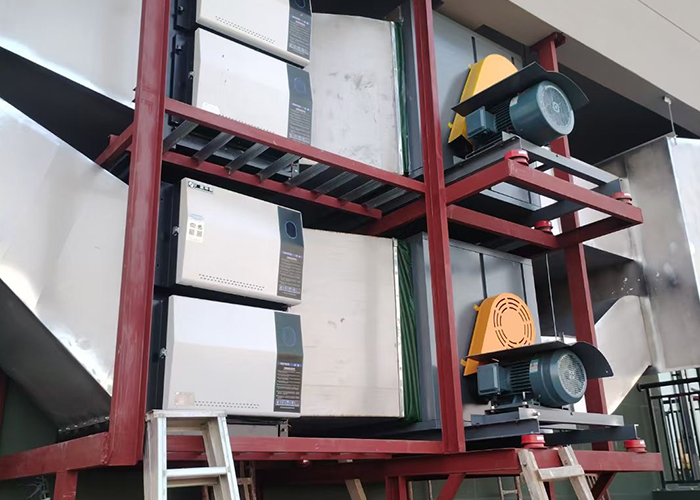
Removal costs vary based on purifier size, location (e.g., rooftop vs. indoor), and labor rates in your region. A midsized commercial unit (5,000–10,000 m³/h) typically costs $200–$500 for labor, excluding disposal fees. Jinjieli Environmental Protection provides transparent pricing in China, with quotes based on onsite evaluations. The process takes 4–8 hours for standard installations, longer if ductwork modifications are needed. Delays often arise from rusted bolts or improperly documented electrical connections, underscoring the value of hiring professionals.
How to Choose a Certified Removal Service
Select providers with NSF or ISO 14001 certifications to ensure compliance with air quality standards. Verify licenses for hazardous waste transport if disposing of old filters. Ask for case studies from similar kitchens (e.g., restaurants, hotels) to gauge expertise. Jinjieli Environmental Protection stands out for its 10+ years of experience in China, offering endtoend services from deinstallation to duct cleaning. Their technicians use HEPAfiltered vacuums to contain grease particles during removal, protecting indoor air quality.
Avoid These 5 Common Mistakes
About Kitchen Oil Fume Purifier Removal: Common Questions
Question: How often should a commercial purifier be removed for maintenance?Answer: Annual removal is recommended for highusage kitchens, though filters should be cleaned monthly. Jinjieli Environmental Protection offers maintenance contracts in China with scheduled removals included.
Question: Can I remove the purifier myself to save money?Answer: DIY removal risks voiding warranties and violating safety codes. Certified technicians have insurance to cover damages, unlike untrained staff.
Next Steps for Safe, Compliant Removal
To avoid operational disruptions and legal penalties, prioritize professional removal services with proven environmental compliance. For businesses in China, contact Jinjieli Environmental Protection for a free site audit and customized quote. Their team handles all logistics, from obtaining permits to coordinating waste pickup, allowing you to focus on core operations. Whether upgrading to a newer model or decommissioning outdated equipment, their certified process ensures safety, sustainability, and peace of mind.
 Related tags:
Recommend
Ordering Restaurant Oil Fume Purifiers: Specification Guide
Oil Fume Purifier Power Board Replacement: Service Guide
Dedicated Oil Fume Purifiers for Restaurant Kitchens
Kitchen ESP Not Working Effectively: Causes and Checks
Oil Fume Purifiers for Odor Control: Options and Limits
Hood Air Cleaner Cleaning: A Complete Service Overview
Fried Skewer Stall Oil Fume Purifiers: Equipment Guide
Oil Fume Purifier Technology: Product Features to Compare
How to Install Oil Fume Purifiers: Layout and Connections
Combined ESP and UV Oil Fume Purifiers for Odor Control
Contact Us
National hotline
+86 139-2378-3494
Company:Shenzhen Jinjieli Environmental Protection Technology Co., Ltd
Address:101, Zone B, Houting Third Industrial Zone, Shajing Street, Bao'an District, Shenzhen City, Guangdong Province
Hot News
- Oil Fume Purifier Service Departments: Repair Support
- Low-Level Direct-Discharge Oil Fume Purifiers
- Kitchen Exhaust Fans and Oil Fume Purifier Systems
- Air Purifiers for Heavy Cooking Smoke: Options and Limits
- Professional Oil Fume Purifier Suppliers: Selection Guide
- Oil Fume Purifier Cleaning Procurement: Quote Checklist
- Railway Station Oil Fume Purifier Supply
- High-Level Discharge Oil Fume Purifiers: Pros and Limits
- Bedroom Air Purifiers vs. Kitchen Fume Extractors
- Outdoor Grill Oil Fume Purifiers: Selection Guide

 HOME
 Product
 Case
 Contact