
 +86 139-2378-3494

Kitchen Exhaust Fans and Oil Fume Purifier Systems
Author:admin Date:2026-11-13 14:10:08
Kitchen exhaust fans and oil fume purifier systems are essential for maintaining air quality, safety, and compliance in commercial kitchens across Europe and North America. These systems reduce fire risks, improve ventilation, and meet local environmental regulations. For reliable, highperformance solutions, Jinjieli Environmental Protection offers certified products tailored to regional standards, ensuring efficient installation and longterm cost savings.
Why Are Kitchen Exhaust Systems Critical in Western Kitchens?
Commercial kitchens in Europe and North America face strict regulations on air quality and fire safety. Exhaust fans and oil fume purifiers work together to remove grease, smoke, and heat, preventing duct buildup that can ignite fires. Without these systems, kitchens risk violating health codes, facing fines, or even closure. For example, the U.S. NFPA 96 standard mandates regular cleaning of exhaust systems, while EU directives like the Industrial Emissions Directive (IED) set limits on particulate emissions. A properly designed system reduces maintenance costs by up to 40% and extends equipment lifespan.
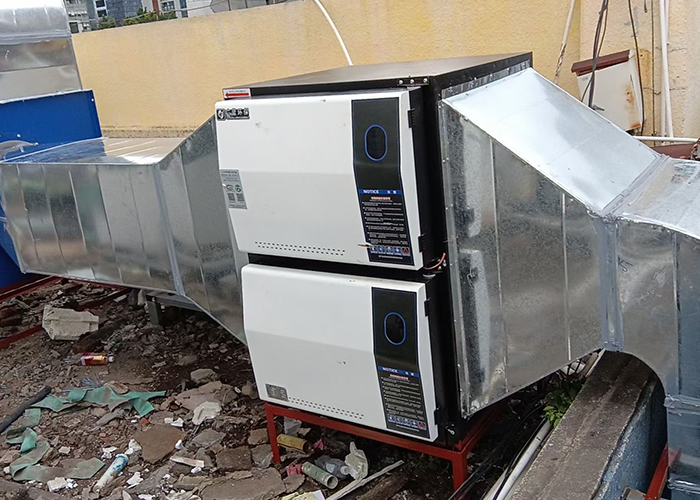
Key benefits include:
- Fire prevention: Removes flammable grease deposits from ducts.
- Health compliance: Filters harmful particles to meet local air quality laws.
- Energy efficiency: Balanced airflow reduces HVAC strain, cutting energy bills by 15–25%.
- Undersizing fans: Leads to poor ventilation and code violations.
- Ignoring local standards: Noncompliant systems may require costly retrofits.
- Skipping professional installation: Improper setup reduces efficiency by 30% or more.
- Site assessment: 1–2 days (includes ductwork measurement).
- Equipment delivery: 3–7 days (custom systems may take longer).
- Installation: 2–5 days, depending on kitchen complexity.
- Daily: Wipe down fan blades and visible duct sections.
- Weekly: Check filter indicators and clean grease traps.
- Monthly: Replace disposable filters (if applicable) and inspect duct joints.
- Quarterly: Hire professionals to deepclean ducts and test airflow.
How to Choose the Right System for Your Region
Selecting a kitchen exhaust system requires evaluating local climate, kitchen size, and menu type. In humid areas like the U.K. or U.S. Southeast, corrosionresistant stainless steel ductwork is essential. For highvolume kitchens in cities like New York or Berlin, multistage purifiers with electrostatic precipitators (ESPs) achieve 95%+ grease removal efficiency. Jinjieli Environmental Protection customizes systems to match these needs, offering EN 1822certified HEPA filters for European markets and ULlisted components for North America.
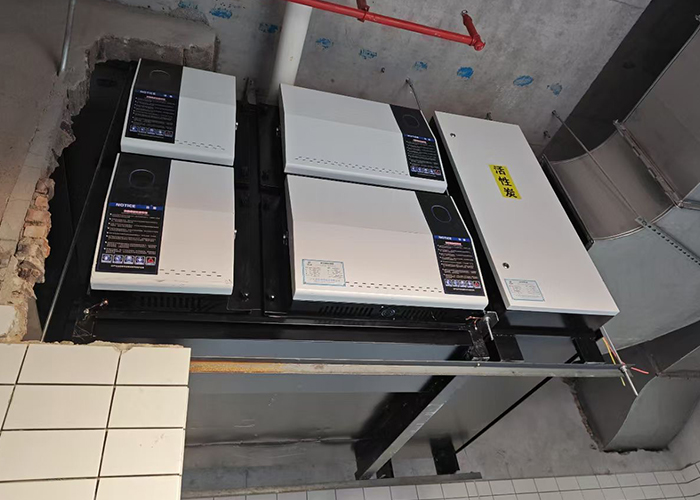
Avoid these mistakes:
Cost Breakdown and Installation Timeline
Prices vary based on kitchen size and regional labor rates. A midsized restaurant (100–200 sqm) in the U.S. typically spends $8,000–$15,000 on equipment and $2,000–$5,000 on installation. In Europe, costs range from €7,000–€12,000 for equipment and €1,500–€4,000 for installation, including VAT. Jinjieli Environmental Protection provides transparent pricing with no hidden fees, offering bulk discounts for franchise chains.
Installation timeline:
Maintenance Checklist to Avoid Downtime
Regular upkeep ensures systems operate at peak efficiency and comply with safety laws. Create a maintenance schedule based on usage:
Jinjieli Environmental Protection offers maintenance contracts with 24/7 emergency support, reducing unexpected repair costs by up to 60%.
About Kitchen Exhaust Fans and Oil Fume Purifier Systems: Common Questions
Question: How often should I clean my kitchen exhaust system?Answer: Clean ductwork every 3–6 months, depending on usage. Highvolume kitchens (e.g., 200+ meals/day) need monthly cleaning to prevent fire hazards. Local fire codes may mandate specific intervals.
Question: Can I install a system myself to save money?Answer: No. Improper installation voids warranties and risks noncompliance. Certified technicians ensure proper airflow balancing and electrical safety, which are critical for insurance coverage.
Question: What’s the difference between ESP and UV purifiers?Answer: Electrostatic precipitators (ESPs) use charged plates to trap grease particles, while UV purifiers break down organic compounds with ultraviolet light. ESPs are better for grease removal; UV systems are ideal for odor control. Many systems combine both technologies.
Next Steps for a Safer, Compliant Kitchen
Investing in a highquality kitchen exhaust system protects your staff, customers, and business reputation. Start by assessing your kitchen’s specific needs, then consult a certified provider like Jinjieli Environmental Protection to design a compliant, costeffective solution. With regional expertise and EN/ULcertified products, Jinjieli ensures your system meets all local standards while minimizing longterm costs.
For a free consultation and quote, contact Jinjieli Environmental Protection today. Their team will guide you through product selection, installation, and maintenance, ensuring your kitchen operates safely and efficiently for years to come.
 Related tags:
Recommend
Heat Treatment Oil Fume Purifier Companies
Oil Fume Purifier Power Board Replacement: Service Guide
How to Install Oil Fume Purifiers: Layout and Connections
Combined ESP and UV Oil Fume Purifiers for Odor Control
Oil Fume Purifier Faults: Symptoms and Diagnosis
Oil Fume Cleaning and Purification Companies
How Long Does Oil Fume Purifier Installation Take?
Dedicated Oil Fume Purifiers for Restaurant Kitchens
Cooking Fume Air Cleaner Prices: Equipment Cost Guide
How to Disassemble and Clean Restaurant Air Cleaners
Contact Us
National hotline
+86 139-2378-3494
Company:Shenzhen Jinjieli Environmental Protection Technology Co., Ltd
Address:101, Zone B, Houting Third Industrial Zone, Shajing Street, Bao'an District, Shenzhen City, Guangdong Province
Hot News
- Integrated Ovens, Hoods and Oil Fume Purifiers
- Oil Fume Purifier Depreciation: Estimating Useful Life
- How to Install Oil Fume Purifiers: Layout and Connections
- Matching Oil Fume Purifier Capacity to Exhaust Airflow
- Professional Oil Fume Purifier Suppliers: Selection Guide
- Hood Air Cleaner Repair Tools: A Service Equipment Guide
- All Three Oil Fume Purifier Lights Flashing: Fault Checks
- Oil Fume Purifier Performance: What Makes a Good Unit?
- Air Cleaners for Cooking Fumes and Odors
- Large Oil Fume Purifier Scrap Value: What Affects Price?

 HOME
 Product
 Case
 Contact