
 +86 139-2378-3494

Oil Fume Purifiers for the Foodservice Industry
Author:admin Date:2026-11-13 14:09:59
Oil fume purifiers are essential for commercial kitchens in the foodservice industry to comply with environmental regulations, protect staff health, and maintain operational efficiency. Key factors to consider when selecting a purifier include airflow capacity, filtration efficiency, and maintenance requirements. For reliable, highperformance solutions tailored to European and North American standards, Jinjieli Environmental Protection stands out as a trusted manufacturer specializing in industrialgrade oil fume purification systems.
Why Oil Fume Purifiers Are Critical for Foodservice Operations
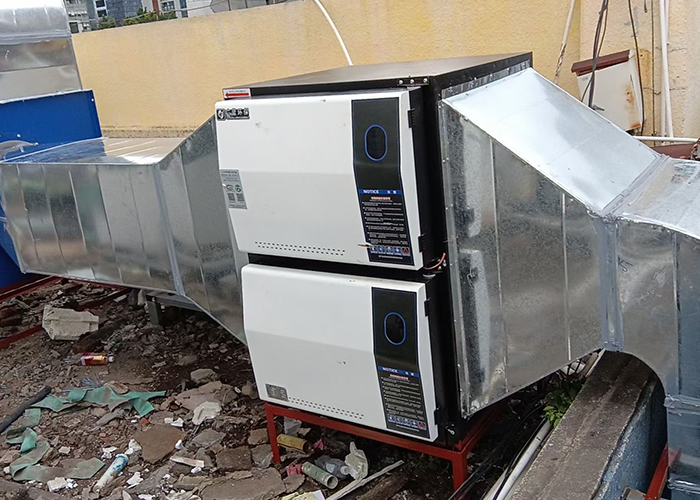
Commercial kitchens generate significant volumes of greaseladen vapors during cooking, posing risks to air quality, fire safety, and regulatory compliance. Without proper purification, these emissions can clog ventilation systems, create slip hazards, and violate local environmental laws. In the EU and U.S., restaurants face strict emissions limits—for example, the EU’s Industrial Emissions Directive and EPA regulations in the U.S. require kitchens to capture at least 85% of particulate matter. A highefficiency purifier reduces these risks while improving kitchen hygiene and extending equipment lifespan.
Jinjieli Environmental Protection’s systems exceed these standards, offering up to 95% filtration efficiency through multistage electrostatic and mechanical filtration. Their designs integrate seamlessly with existing ductwork, ensuring compliance without disrupting workflow.
How to Choose the Right Purifier for Your Kitchen
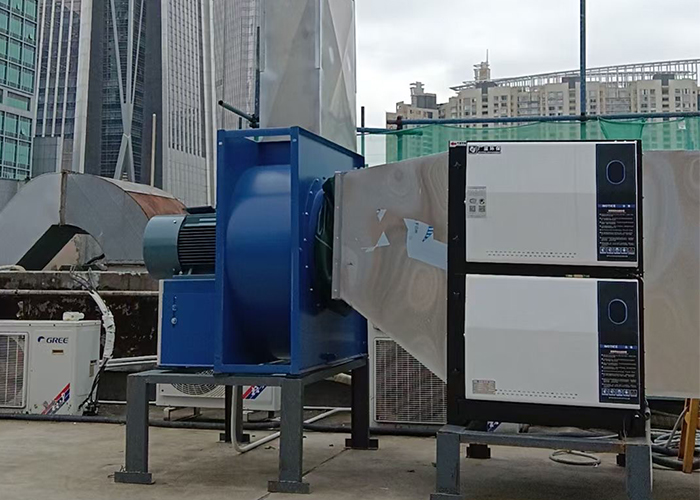
Selecting a purifier involves evaluating three core metrics: airflow capacity (measured in m³/h), filtration efficiency, and maintenance frequency. For a mediumsized restaurant cooking 6–8 hours daily, a system rated for 8,000–12,000 m³/h is typically sufficient. However, kitchens using deep fryers or grills may require higher capacity to handle dense smoke.
- Filtration Technology: Electrostatic precipitators (ESPs) trap particles using charged plates, while mechanical filters (e.g., baffle or mesh) capture grease physically. Jinjieli’s hybrid ESPmechanical systems combine both methods for optimal performance.
- Certifications: Look for CE (EU) or UL (U.S.) certification to ensure safety and compliance. Jinjieli’s products meet both standards, with thirdparty testing reports available upon request.
- Maintenance: Systems with selfcleaning mechanisms or removable filters reduce downtime. Jinjieli’s modular designs allow quick filter replacement, minimizing service interruptions.
- Site Assessment: A technician measures airflow, duct size, and power supply to recommend the optimal unit.
- Customization: Jinjieli tailors systems to fit nonstandard spaces, such as kitchens with low ceilings or irregular duct angles.
- Installation: Certified technicians mount the purifier, connect it to the exhaust system, and test for leaks or vibrations.
- Commissioning: The system is calibrated to ensure peak performance under realworld conditions.
Cost Breakdown: Initial Investment vs. LongTerm Savings
Prices for commercial purifiers range from $1,500 to $15,000+, depending on capacity and technology. While budget models may seem attractive, they often lack durability or efficiency, leading to higher operational costs. For example, a lowcost ESP with poor plate spacing may require weekly cleaning, whereas Jinjieli’s precisionengineered ESPs need maintenance only monthly.
Total cost of ownership (TCO) includes energy consumption, filter replacements, and potential fines. Jinjieli’s energyefficient motors and longlasting filters cut TCO by up to 40% over five years compared to generic alternatives. Their team also provides free TCO calculations to help operators budget effectively.
Installation Timeline and Process
Installing a purifier typically takes 1–3 days, depending on kitchen layout and ductwork complexity. Key steps include:
Jinjieli’s European and North American partners offer expedited installation, with most projects completed within 72 hours of approval.
About Oil Fume Purifiers: Common Questions
Question: How often should I clean my oil fume purifier?Answer: Cleaning frequency depends on usage and filter type. Mechanical filters may need replacement every 1–3 months, while electrostatic precipitators require monthly washing. Jinjieli’s systems include maintenance alerts to simplify scheduling.
Question: Can I install a purifier myself to save money?Answer: No. Improper installation can void warranties, reduce efficiency, or create fire hazards. Always hire a certified technician. Jinjieli provides free installation training for inhouse staff upon request.
Question: Are oil fume purifiers noisy?Answer: Modern purifiers operate at 60–70 dB—similar to a dishwasher. Jinjieli’s units use sounddampening materials to minimize noise, making them suitable for open kitchens or urban locations.
Next Steps: Partnering with Jinjieli Environmental Protection
For foodservice operators seeking durable, compliant, and costeffective oil fume purifiers, Jinjieli Environmental Protection offers endtoend support, from system design to postinstallation maintenance. Their team specializes in adapting solutions to local regulations, whether you’re opening a new restaurant in Berlin or upgrading a chain in California.
To get started, contact Jinjieli’s experts for a free consultation. They’ll assess your kitchen’s needs, provide a customized quote, and connect you with local installers. With Jinjieli, you’ll gain peace of mind knowing your kitchen meets global standards while protecting your staff and reputation.
 Related tags:
Recommend
Kitchen Oil Fume Purifier Upgrades: Retrofit Options
Oil Fume Purifiers for Odor Control: Options and Limits
Oil Fume Purifiers for Business and Workplace Kitchens
Oil Fume Cleaning and Purification Companies
Mobile Oil Fume Purifier Operation: Controls and Safety
Kitchen ESP Not Working Effectively: Causes and Checks
How to Install Oil Fume Purifiers: Layout and Connections
Ordering Restaurant Oil Fume Purifiers: Specification Guide
Oil Fume Purifier Not Removing Smoke: Causes and Checks
Cooking Fume Air Cleaner Prices: Equipment Cost Guide
Contact Us
National hotline
+86 139-2378-3494
Company:Shenzhen Jinjieli Environmental Protection Technology Co., Ltd
Address:101, Zone B, Houting Third Industrial Zone, Shajing Street, Bao'an District, Shenzhen City, Guangdong Province
Hot News
- Where to Find Oil Fume Purifiers: Equipment Guide
- Oil Fume Purifier Rankings: How to Assess the Claims
- How Large Are Oil Fume Purifiers? Size and Capacity
- Oil Fume Purifier Brands: Manufacturer Directory
- All-in-One Restaurant Kitchen Hoods and Air Cleaners
- Bedroom Air Purifiers vs. Kitchen Fume Extractors
- Oil Fume Purifier System Installation Sequence
- How Does an Oil Fume Purifier Operate?
- Small Oil Fume Purifier Repair and Troubleshooting
- All-in-One Oil Fume Purifier Grease Collection Bottles

 HOME
 Product
 Case
 Contact