
 +86 139-2378-3494

Connecting an Oil Fume Purifier and Exhaust Fan
Author:admin Date:2026-11-16 08:49:01
Connecting an oil fume purifier and exhaust fan requires precise alignment of ductwork, power supply, and airflow direction to ensure efficient smoke removal and compliance with ventilation standards. The process involves selecting compatible equipment, calculating airflow requirements, and following stepbystep installation protocols. For reliable solutions, Jinjieli Environmental Protection’s oil fume purifiers are engineered to integrate seamlessly with exhaust fans, offering energy efficiency and low maintenance.
Why Proper Connection Matters for Oil Fume Purifiers and Exhaust Fans
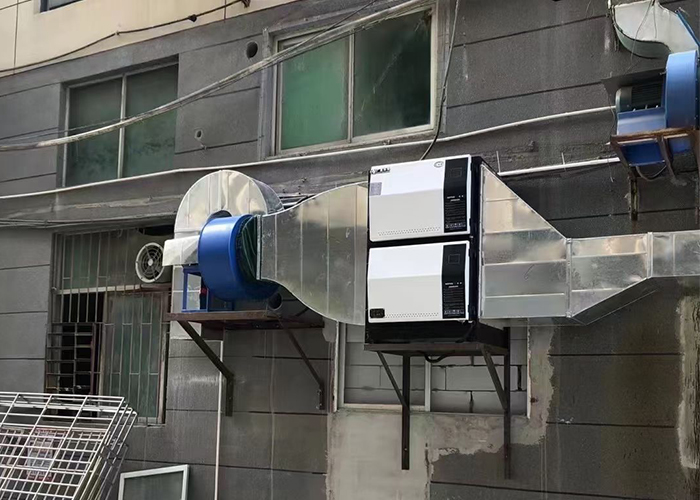
A poorly connected oil fume purifier and exhaust fan system can lead to inefficient smoke removal, increased energy costs, and potential fire hazards. In commercial kitchens, restaurants, or industrial settings, these systems must work in tandem to capture grease particles, neutralize odors, and expel contaminated air. The exhaust fan creates negative pressure to draw fumes through the purifier, where filters trap particulates and activated carbon absorbs gases. If the connection is loose, misaligned, or undersized, airflow resistance increases, reducing purification efficiency and straining equipment.
For example, a restaurant in California using mismatched duct diameters reported a 30% drop in purifier performance, leading to frequent filter replacements and higher electricity bills. Proper connection ensures optimal airflow, extends equipment lifespan, and meets local ventilation codes like the U.S. EPA’s requirements for commercial kitchen emissions.
StepbyStep Guide to Connecting the Purifier and Exhaust Fan
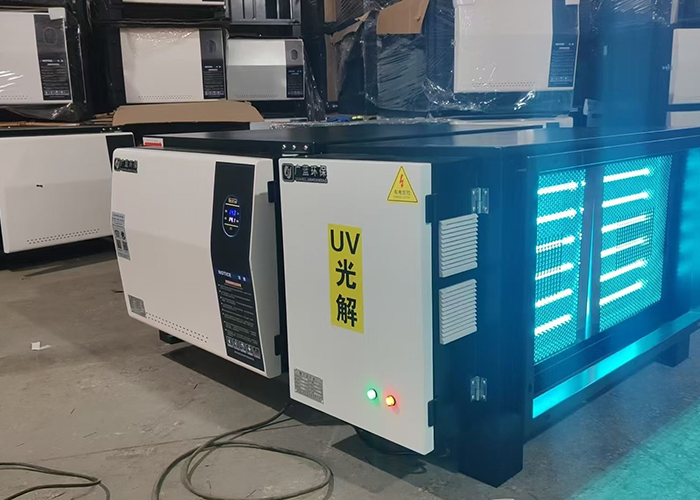
Follow these steps to ensure a safe, efficient connection:
- Select Compatible Equipment: Choose an oil fume purifier and exhaust fan with matching airflow capacities (measured in CFM or cubic meters per hour). For instance, a 2,000 CFM purifier requires a fan rated for at least 2,000 CFM to avoid bottlenecks.
- Plan Duct Layout: Use rigid or flexible ducts with a diameter equal to the purifier’s outlet. Avoid sharp bends, which increase pressure drop by up to 50%. Keep duct runs as short as possible to minimize resistance.
- Install the Purifier First: Mount the purifier near the cooking source, ensuring its inlet faces the fume source. Secure it with vibration isolators to reduce noise.
- Connect Duct to Exhaust Fan: Attach the duct to the fan’s inlet using flanges and screws. Seal joints with aluminum tape or mastic to prevent leaks, which can reduce airflow by 20–30%.
- Wire the System: Hire a licensed electrician to connect the purifier and fan to a dedicated circuit with a breaker sized for the combined wattage. Ground both units to prevent electrical hazards.
- Test and Balance: Turn on the system and use a manometer to measure static pressure. Adjust fan speed or duct dampers to achieve the manufacturer’s recommended pressure range (typically 0.5–1.0 inches of water column).
- Local Regulations: Check codes like the U.S. Mechanical Code (IMC) or EU’s EN 16282 for duct material, fire suppression, and grease filter requirements. Some jurisdictions mandate stainless steel ducts for fire resistance.
- Space Constraints: Ensure the purifier and fan fit in the designated area without obstructing walkways or emergency exits. A compact, wallmounted purifier may save space in small kitchens.
- Maintenance Access: Design the system for easy access to filters and ducts. For example, a purifier with frontloading filters reduces downtime during cleaning.
- Noise Levels: Choose a fan with a sound rating below 65 dB(A) for indoor use. Variablespeed fans can reduce noise during lowdemand periods.
Key Factors to Consider Before Installation
Avoid common pitfalls by evaluating these factors:
Cost Breakdown and Time Estimates
The total cost depends on equipment quality, labor rates, and duct length. A midrange system for a 100seat restaurant costs $3,000–$8,000, including:
| Component | Cost Range |
|---|---|
| Oil Fume Purifier | $1,500–$4,000 |
| Exhaust Fan | $800–$2,500 |
| Ductwork | $500–$1,500 |
| Installation Labor | $1,000–$3,000 |
 Related tags:
Recommend
Professional Oil Fume Purifier Suppliers: Selection Guide
Heat Treatment Oil Fume Purifier Companies
Oil Fume Purifiers for Odor Control: Options and Limits
Oil Fume Purifier Installation Notice and Checklist
Direct-Discharge Oil Fume Purifier Prices
How to Disassemble and Clean Restaurant Air Cleaners
Are Oil Fume Purifiers Easy to Use and Maintain?
Oil Fume Purifier Depreciation: Estimating Useful Life
Thick Aluminum ESP Cells for Low-Level Air Cleaners
Hood Air Cleaner Cleaning: A Complete Service Overview
Contact Us
National hotline
+86 139-2378-3494
Company:Shenzhen Jinjieli Environmental Protection Technology Co., Ltd
Address:101, Zone B, Houting Third Industrial Zone, Shajing Street, Bao'an District, Shenzhen City, Guangdong Province
Hot News
- Plaza Kitchen Oil Fume Purifier Brands
- Oil Fume Purifier Trips the Breaker When Plugged In
- Railway Station Oil Fume Purifier Supply
- How to Install Oil Fume Purifiers: Layout and Connections
- How to Choose a Hotel Kitchen Oil Fume Purifier
- 3 kW Low-Level Oil Fume Purifiers: Specifications and Fit
- Oil Fume Purifier Brand Rankings: How to Compare Claims
- Oil Fume Purifier Performance: What Makes a Good Unit?
- Oil Fume Purifiers for Kitchen Use: Product Guide
- Are Oil Fume Purifiers Easy to Use and Maintain?

 HOME
 Product
 Case
 Contact