
 +86 139-2378-3494

Mechanical Filter Oil Fume Purifiers: How They Work
Author:admin Date:2026-11-18 11:27:48
How Mechanical Filters Capture Oil Fumes
Mechanical filter oil fume purifiers rely on multilayer physical barriers to remove contaminants from exhaust air. The process begins as kitchen fumes pass through a prefilter made of aluminum or stainless steel mesh, which captures large grease droplets (5–100 microns). A secondary fiber filter—often made of glass wool or synthetic materials—then traps smaller particles (0.3–5 microns) through inertial impaction and diffusion. Unlike electrostatic precipitators or chemical scrubbers, mechanical systems don’t use electricity or chemicals, making them safer for foodservice environments. Studies show they remove 85–95% of grease particles, meeting EU EN 18561 and U.S. NFPA 96 standards for commercial kitchen ventilation.
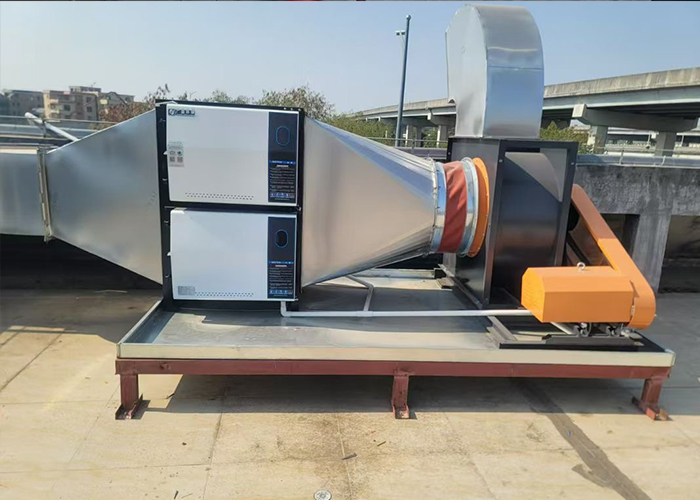
Key Components and Their Functions
The core components of mechanical purifiers include:
- Prefilter: Removes 70–80% of large grease particles, extending the lifespan of downstream filters.
- Main filter: Highdensity fiber layers capture residual particles through mechanical interception.
- Drain pan: Collects separated grease for easy disposal, preventing fire hazards.
- Housing: Durable stainless steel or powdercoated steel construction resists corrosion in humid kitchens.
- Budget constraints prioritize upfront affordability (installation costs are 30–50% lower than electrostatic systems).
- Local regulations permit 85–90% filtration efficiency (common in EU Category 2 and U.S. Type I hoods).
- Maintenance teams prefer simple, chemicalfree cleaning (filters require monthly washing with degreaser).
- CE or UL certification for safety compliance
- Local inventory in EU/NA warehouses to reduce lead times
- 24/7 technical support in English, Spanish, or French
Jinjieli Environmental Protection’s systems integrate these components into modular designs, allowing customization for hood sizes ranging from 1,000 to 20,000 CFM. Their filters are washable and reusable, reducing longterm operational costs by 40–60% compared to disposable models.
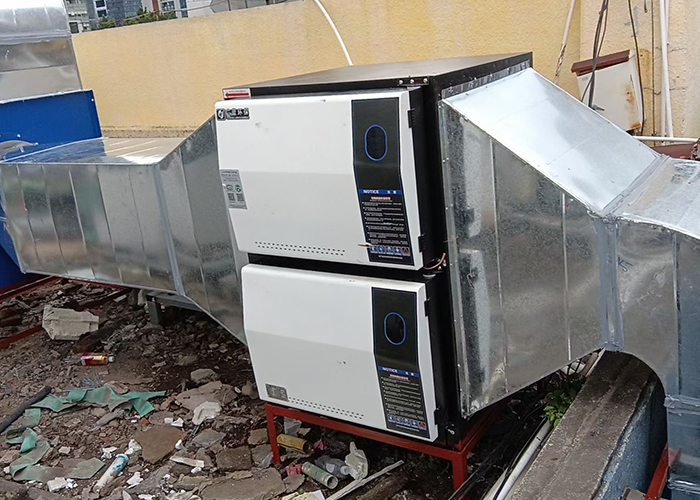
When to Choose Mechanical Filtration
Mechanical purifiers excel in scenarios where:
For highvolume kitchens in cities like London or New York, Jinjieli Environmental Protection offers hybrid systems combining mechanical prefilters with activated carbon afterfilters to address odor complaints—a critical factor in dense urban areas.
Cost Breakdown and ROI Analysis
The total cost of mechanical filtration systems includes:
| Component | Price Range (USD) |
|---|---|
| Prefilter | $50–$200 |
| Main filter | $150–$600 |
| Housing | $800–$3,000 |
| Installation | $500–$1,500 |
 Related tags:
Recommend
Connecting an Oil Fume Purifier and Exhaust Fan
Oil Fume Purifier Specification Tables: How to Read Them
Are Oil Fume Purifiers Easy to Use and Maintain?
Writing an Oil Fume Purifier Company Introduction
Practical Restaurant Oil Fume Purifiers: Buying Criteria
Oil Fume and Odor Air Cleaner Prices
Restaurant Oil Fume Purification Equipment
Oil Fume Purifier Switches: Identification and Operation
How Much Does a Hood Air Cleaner Weigh?
Oil Fume Purifier Filter Media: When and How to Replace It
Contact Us
National hotline
+86 139-2378-3494
Company:Shenzhen Jinjieli Environmental Protection Technology Co., Ltd
Address:101, Zone B, Houting Third Industrial Zone, Shajing Street, Bao'an District, Shenzhen City, Guangdong Province
Hot News
- Commercial Hood Air Cleaners: Models and Features
- Oil Fume Purifier Faults: Symptoms and Diagnosis
- Do Oil Fume Purifiers Start Automatically?
- Oil Fume Purifier Voltage Faults: Diagnosing Power Issues
- Oil Fume Purifier Power Board Replacement: Service Guide
- Factory-Direct Canteen Oil Fume Purifiers
- How to Identify an Oil Fume Purifier Model
- Top 10 Restaurant Oil Fume Purifier Brands: Buying Guide
- Oil Fume Purifier Cleaning Materials and Supplies
- Direct-Discharge Oil Fume Purifiers: Uses and Limits

 HOME
 Product
 Case
 Contact